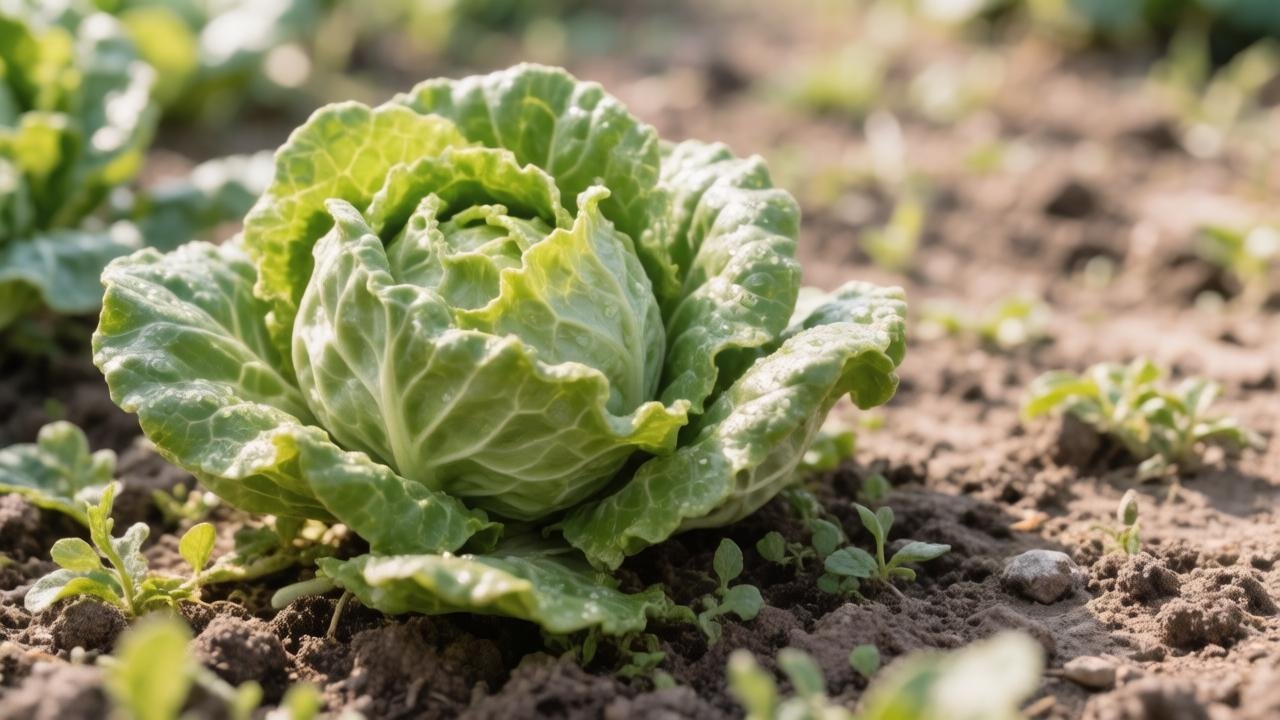
Heads of cabbage weighing 11–13 kilograms grow not because of expensive fertilizers, not because of a special variety, and certainly not because of magic. Everything is decided before the seedlings get into the ground. An experienced summer resident, the author of the Zen channel “At Grandfather Egor’s Dacha” (12+), spoke about the rules and secret components of the holes.
Seedlings must be tough as nails
While the soil is being prepared, the author is busy with seedlings. He only takes his own seeds, proven over the years. Before sowing, soak them, then keep them in potassium permanganate for 15 minutes.
A week before moving to the beds, hardening begins: the seedlings are taken out onto the veranda. First for an hour, then for two, and finally for the night. The plant must understand that life is not a sanatorium. Then it won’t become soggy in the garden.
What to add to the hole?
The earth has warmed up, frosts are no longer expected. The seedlings are taken out to the site. They dig holes measuring 70 by 70 centimeters. If you want real heroes, do 80/80. Cabbage loves space. How can she grow by 11 kg if her neighbor is pressing from all sides?
And here's the interesting part. In each hole they put a mixture of what others consider garbage:
- eggshells (a handful – calcium and friability),
- dry tea leaves without additives (a handful – organic matter and moisture),
- onion peel (a handful – a natural antiseptic against pests),
- ash (a couple of spoons – potassium and protection),
- last year's rotten cabbage leaves (a little – their microbes, their native environment).
“I mix all this with the soil right in the hole, water it, and only then plant the seedlings. No chemicals, no bags from the store. Just smart “garbage” in the right place,” the summer resident gives instructions.
The mixture decomposes slowly and continuously right in the root zone. Not from above, not somewhere nearby, but where the plant gets its food. Cabbage receives nutrition not in spurts, but evenly and steadily.
Onion peels repel pests. The shell prevents the earth from sticking together. The tea leaves retain moisture. Ash makes the soil less acidic, and clubroot (the main enemy of cabbage) does not cling. And the old cabbage leaf triggers the very microbiology that the plant knows and loves.
Watering and care without fanaticism
After planting, water twice a week. First time with potassium permanganate for disinfection. Then with the yeast solution, the earth literally comes to life before our eyes. After a couple of weeks, add an infusion of herbs.
Hill up three times during the summer. Many people skip this step and lose their harvest. The higher the bush is hilled, the deeper the root and the larger the head.
Ground eggshells scattered along the rows help against slugs. For butterflies, use a wormwood broom with an ash solution.
Read also how to charge peppers for reactive growth.