How Romanians drink coffee according to generation: from classic espresso to iced drinks and non-alcoholic mocktails

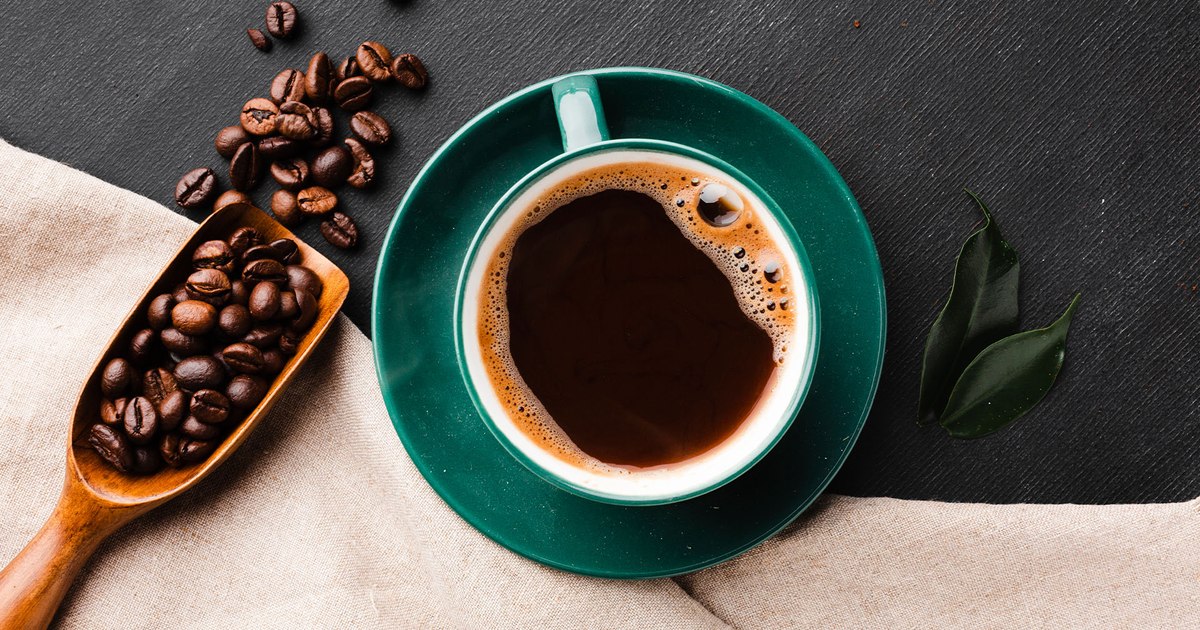
The way Romanians consume coffee and other drinks has changed significantly in recent years, and the differences between generations are increasingly visible. If the young Generation Z prefer cold, personalized and “instagrammable” drinks, Millennials are looking for premium experiences and products, while more mature consumers remain loyal to the classic variants.
For many Romanians, coffee is no longer just the source of energy at the beginning of the day.
A market study on coffee consumption in Romania shows how consumption habits are changing and what customers are looking for when choosing a cafe or a terrace.
Coffee, more and more a pleasure and less and less a necessity
For many Romanians, coffee is no longer just the source of energy at the beginning of the day. Nearly 45 percent of consumers say they drink coffee primarily for pleasure, not to wake them up or boost their energy levels.
This change in perspective has contributed to the emergence of a consumption culture based on experience, taste and diversity, particularly visible in cafes, restaurants and terraces.
In parallel, drinks have become an important criterion in choosing a restaurant. According to the Drinking Differently 2025 study, 80% of Gen Z, Millennials and Gen X consumers say that beverage offerings influence restaurant choices almost as much as the food menu.
Generation Z is a game changer
The strongest change is coming from the youth of Generation Z. Almost a third of them regularly consume iced coffee, turning a product that until recently was considered a niche into a regular option.
For this age group, drinking is associated less with routine and more with social experience. Young people are looking for products that are customizable, attractive and different from the classic options.
The study shows that members of Generation Z consume less alcohol than previous generations and show a growing interest in alcohol-free alternatives. However, only 37% of them declare themselves satisfied with the offer of non-alcoholic drinks available in restaurants, which indicates an important development potential for this segment.
Millennials are looking for premium experiences and products
Millennials, the generation currently at the center of urban consumption, emphasize quality and authenticity. They are willing to pay more for an experience they consider memorable and pay attention to the story behind the products they consume.
This category is also the most active when it comes to recommendations and reviews, both online and offline.
The survey data shows that Millennials and Gen Zers order cold drinks about twice as often as older generations, a sign that the market is increasingly moving towards products tailored to the season and individual preferences.
Generation X and Boomers stick to classic habits
At the opposite pole are Gen X and Baby Boomer consumers, who emphasize consistency and familiarity.
According to the research, 61% of Boomers say the time of day has very little influence on their drinking, and 73% say location is not a deciding factor. They prefer familiar products and value consistent quality rather than experimenting with new recipes.
For operators in the hospitality industry, this segment remains one of the most stable and predictable.
Personalization and cold drinks, the main trends of the summer
Beyond generational differences, studies point to two major trends shaping the beverage market.
The first is the orientation towards customizable products. Consumers increasingly want to customize their drink according to their preferences, choosing the type of milk, flavors or intensity level.
The second is the rise in popularity of cold drinks. Iced coffee, coffee-based drinks reinterpreted for the warm season and alcohol-free alternatives are gaining ground especially among young consumers.
In this context, the choice of a cafe or a terrace no longer depends only on the food or the location. For more and more Romanians, the offer of drinks has become an equally important criterion, and preferences differ significantly from one generation to another.