Although the wind energy sector in Poland still demands that its key demands be met (especially regarding onshore wind farms, because in the case of offshore wind farms there is a greater sense of success), it is receiving more and more political and business support. On the first day of this year's conference of the Polish Wind Energy Association (PWEA) in Świnoujście, you could hear that “half the government” had come to the Baltic Sea.
Read also: From mines to windmills. Miners are looking for new opportunities in the renewable energy industry
“True patriots support the development of renewable energy sources”
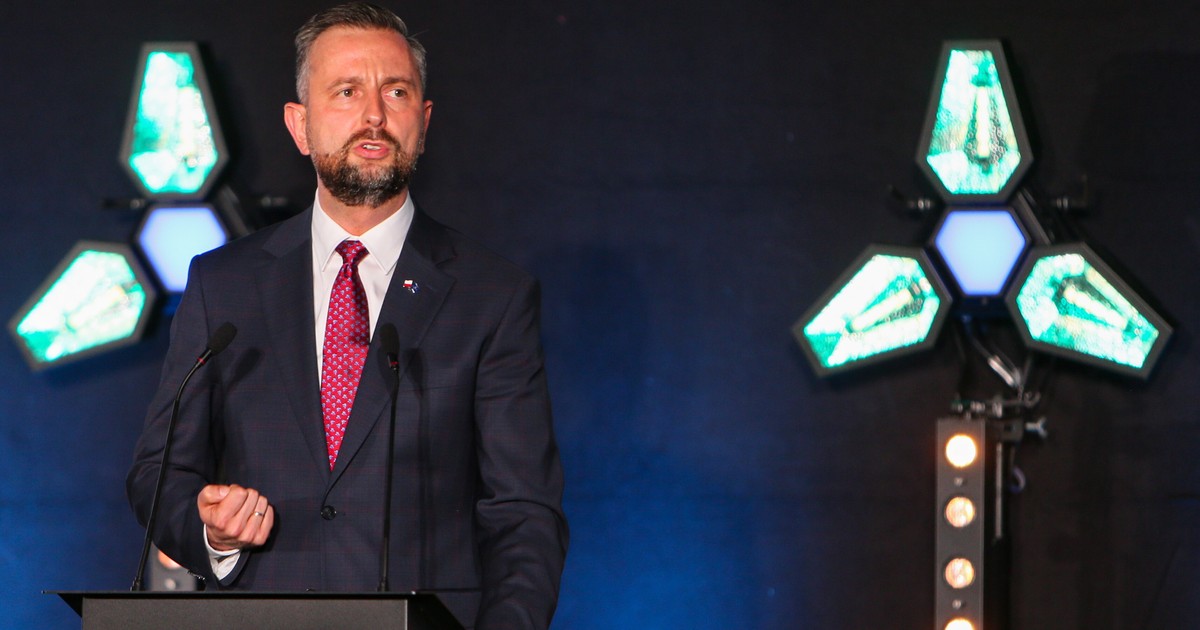
In addition to the Ministers of Energy, Climate and Environment, Miłosz Motyka and Paulina Hennig-Kloska and her deputy Urszula Zielińska, who are regularly seen on such occasions, the event was attended by, among others, Minister of State Assets Wojciech Balczun, Secretary of State at the Ministry of Foreign Affairs Marcin Bosacki, and government representative for the SAFE program Małgorzata Sobkowiak-Czarnecka and Deputy Prime Minister and Minister of National Defense Władysław Kosiniak-Kamysz.
In addition to them, the Marshal of the West Pomeranian Voivodeship Olgierd Geblewicz and the President of PKO Bank Polski Szymon Midera, as well as representatives of state and private energy companies, also spoke at the opening session of the conference; among others president of Tauron Grzegorz Lot, vice-president of Polenergia Obrót Ireneusz Sawicki, vice-president of Orlen Sławomir Staszak and president of Respect Energy SA Henryk Mucha. Many solemn words were said about the industry, such as Minister Paulina Hennig-Kloska, who announced that “true patriots support the development of renewable energy sources, and only patriots support the development of renewable energy sources.”
Paulina Hennig-Kloska on June 8 at the PWEA conference in Świnoujście
|
PAP/Lech Muszyński / PAP
The head of the Ministry of Climate had in mind such advantages of renewable energy as strengthening energy independence by limiting the consumption of imported fossil fuels, greater resistance of dispersed installations to external attacks, and “space for the development of Polish technologies” and an incentive for further growth.
“Renewable energy is no longer a matter of climate protection”
Sovereignty and defense threads – and sometimes openly polemics towards the opposition line – also recurred in the statements of other conference guests, including Deputy Prime Minister Władysław Kosiniak-Kamysz.
— Russia's security strategy clearly states – disgust, weaken and destroy involvement in the construction of renewable energy. There is no better implementation of Russia's security strategy than removing photovoltaics from its roofs and prohibiting the construction of windmills on land. – he said.
—A few large coal-fired power plants are very easy to attack. Thousands of distributed renewable power plants are not such an easy target. A good example is Denmark, which is not only energy independent, but also safe, he added, also referring to the role of distributed renewable sources in Ukraine. According to Kosiniak-Kamysz, the aversion to renewable energy on the part of Law and Justice is as dangerous as “voting against the great SAFE development program.”
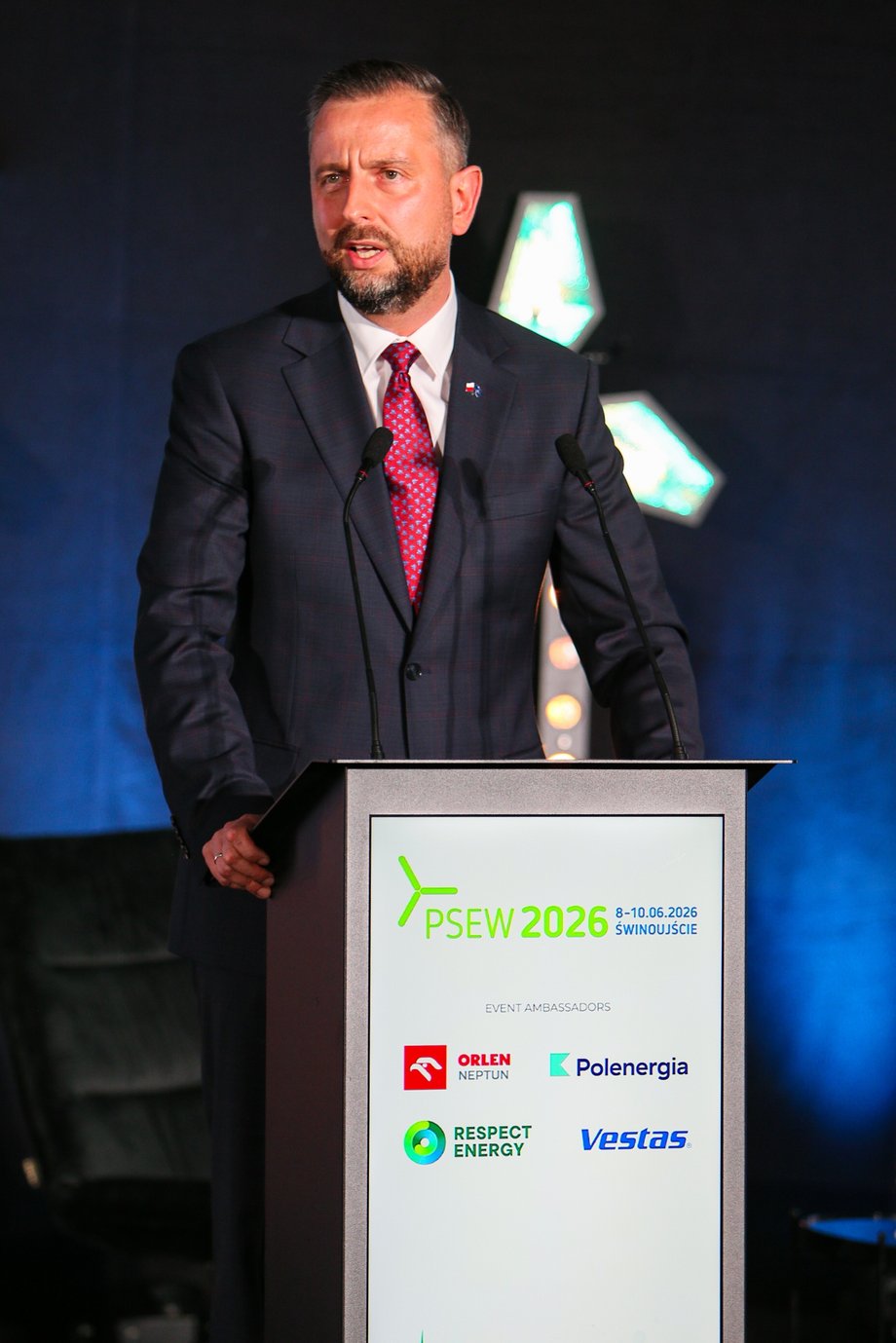
Władysław Kosiniak-Kamysz on June 8 at the PWEA conference in Świnoujście
|
PAP/Lech Muszyński / PAP
Read also: “OZE-Sroze”, coal and exit from the ETS? The deputy prime minister in the PiS government distances himself from Przemysław Czarnek's slogans
As stated by the plenipotentiary for this program, Małgorzata Sobkowiak-Czarnecka, renewable energy, like SAFE, will be able to be implemented despite presidential vetoes.
— The issue of renewable energy is no longer just a matter of climate protection, as we have been saying for many years. Today, this is a fundamental issue of state security she said. Like the Minister of Energy Miłosz Motyka, she also talked about fighting disinformation about renewable energy.
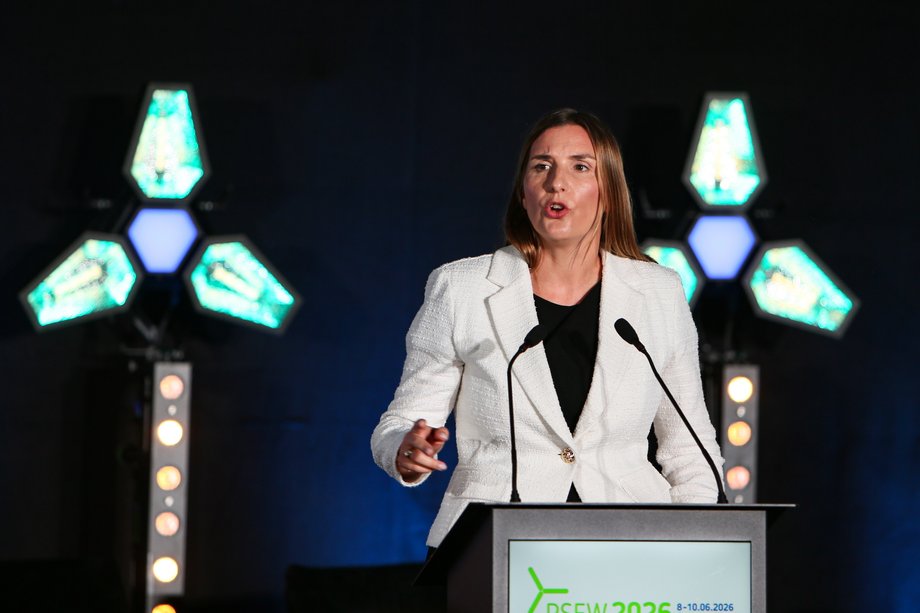
Magdalena Sobkowiak-Czarnecka on June 8 at the PWEA conference in Świnoujście
|
PAP/Lech Muszyński / PAP
“We see one economy”
Wojciech Balczun, the head of the Ministry of State Assets, also referred to patriotism – this time in its economic meaning – when talking about government activities for local content, i.e. increasing the share of domestic companies in key investments. Energy is the main testing ground for this concept; the minister reminded that expenditure in this sector will amount to PLN 1 trillion in the next decade.
— These investments are largely carried out by state-owned companies, but also by the private sector (…) Until now, there was a demarcation line between the public and private sectors. We have reached the point where we see one economy and common growth. If companies are to invest in offshore wind energy or other elements of the mix, the beneficiaries must be domestic entities. That's why we defined local content and introduced a code of good practices. This will be followed by guidelines for companies, so as to exert pressure on the entire system in a multidimensional and multi-dimensional manner, he said.
Specific tools in this area include dividing public procurement into smaller parts, which is intended to lower the entry threshold for smaller companies, and standardizing the local content measurement methodology by the Central Statistical Office. When it comes to access to capital, greater financing for renewable energy investments from PKO Bank Polski was announced by President Szymon Midera.
Read also: Local content on EKF. This is how it is expected to affect GDP growth
Windmills in an administrative trap?
Can politicians do anything more for wind energy beyond words? According to the president of PWEA, Janusz Gajowiecki, the industry is in an “administrative trap”. First of all, they create a trap lengthy authorization procedureswhich slow down the development of new installations. Minister Motyka admitted that Polish regulations are among the strictest in Europe, at the same time emphasizing that little can be done without the president's consent to statutory changes.
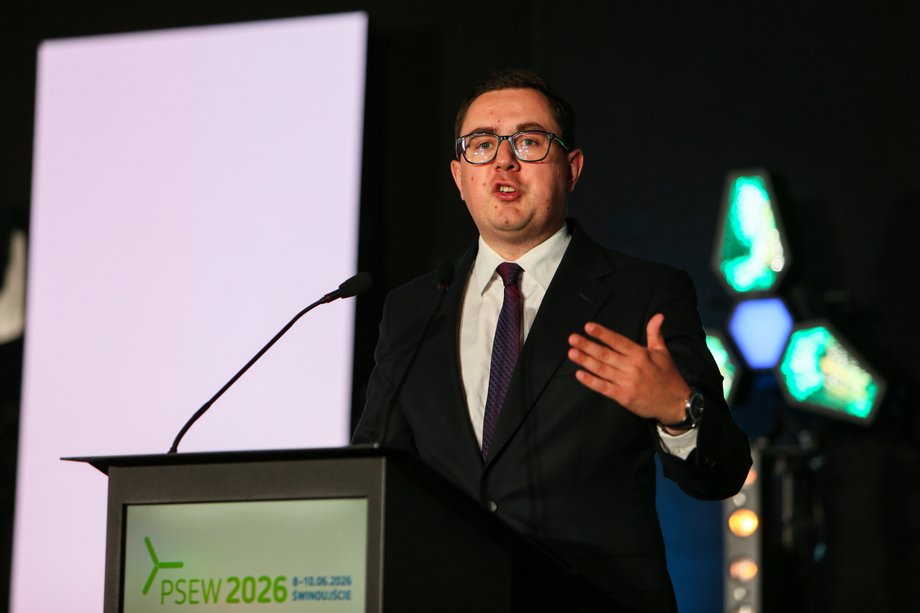
Miłosz Motyka on June 8 at the PWEA conference in Świnoujście
|
PAP/Lech Muszyński / PAP
Work on accelerating the procedures was promised by the Deputy Minister of Climate, Urszula Zielińska, which will also be supported by the delayed implementation of EU requirements into Polish law regarding the designation of the so-called areas of accelerated development of renewable energy sources. Procedures for installations erected in these zones are to last no longer than one year, while elsewhere their duration should not exceed two years. Zielińska also mentioned the regulation on repowering already adopted by the government, which will enable easier modernization of older wind farms. The unification of guidelines in environmental proceedings required by the EU will also help to accelerate this process.
Apart from these declarations, the industry was particularly pleased Władysław Kosiniak-Kamysz's announcement about making it easier to build windmills near military airports, which has so far been indicated as one of the most serious barriers.
Almost 29 GW in onshore wind farms?
As for long-term goals and forecasts, it also appears that there is a consensus within the ruling team on the National Energy and Climate Plan (NECP). Urszula Zielińska admitted that the ministries of climate and energy had been in a dispute on this subject so far – the former was in favor of higher targets for wind farms, while the latter was more conservative.
Read also: The wind industry is fighting for a place in government plans. He has support in the Ministry of Climate
Ultimately, however, the NECP, which is to be adopted by the Council of Ministers in the coming days, will set an ambition for 2040 to achieve 28.8 GW of power installed in onshore wind farms and 18 GW in offshore wind farms. The preferred scenario of the document, announced in December last year by the Ministry of Energy, assumed 20.4 GW in onshore installations and 11.8 GW in those in the Baltic Sea.