The most expensive plant in the world grows in Poland. It costs up to PLN 1,500 per kilogram

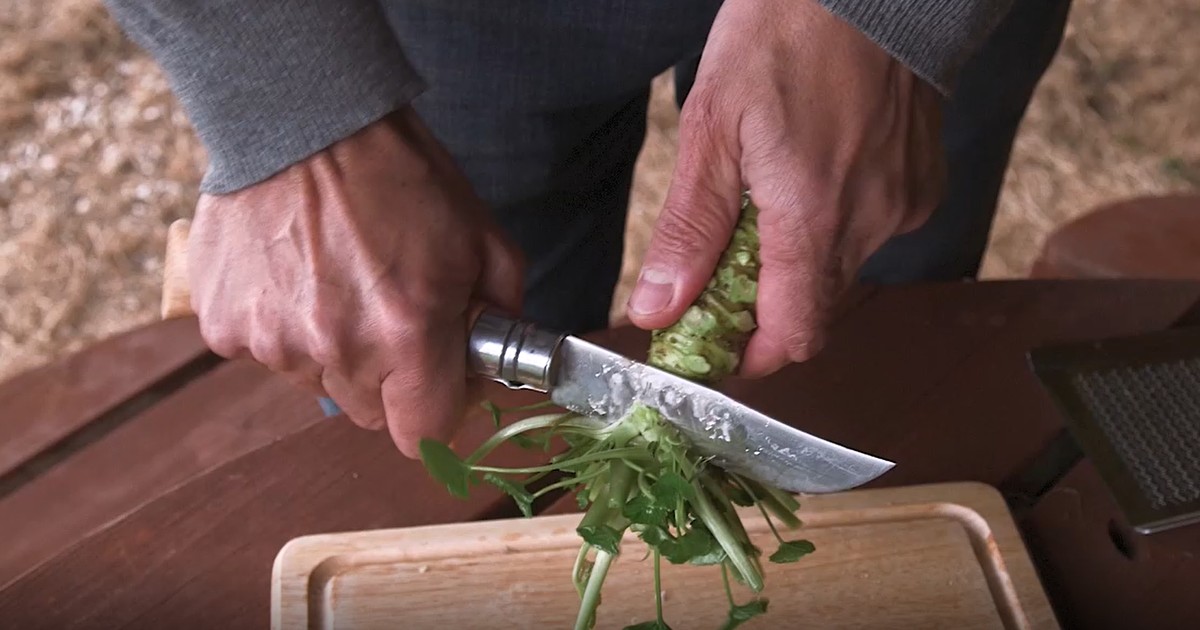
The characteristic spicy taste and unique green color are the hallmarks of wasabi. Japanese horseradish is well known not only to sushi lovers, but to all Asian cuisine lovers. Cultivation is very expensive, hence wasabi is considered the most expensive plant in the world. Most Poles do not know that our country has the only plantation in continental Europe.
Growing Japanese horseradish requires crystal clear water, stable temperature and adequate humidity. The plant is very demanding, which automatically translates into its very high price.
The most expensive plant in the world grows in Poland.
As “Rynek Zdrowia” explains, a kilogram of Japanese horseradish costs up to PLN 1,200-1,500. The Daruma variety is grown in Poland and can be eaten whole – the rhizome has the most intense flavor, but the leaves and stems are also spicy. This high price is due to difficult growing conditions and limited availability.
See also: This is the photovoltaic “flower”. It produces up to half as much energy as regular panels
Original wasabi is rare, and most products available in stores are only imitations. As “Rynek Zdrowia” points out, in shops and restaurants we most often find pastes and powders that only pretend to be original wasabi. They have a different taste, texture and color than a freshly grated plant.
From Japanese land to Poland. Wasabi from Radom is a hit
“A few years ago, my dad imported the first wasabi seedlings from Japan. Back then, no one expected that this plant would change our lives so much,” says Agnieszka Firlej from Wasabi Farm Poland in an interview with the portal pysznosci.pl.
Wasabi, also called Japanese horseradish, is a lush green plant. However, its most valuable part is the root.
See also: Millions of tons of flowers end up in the garbage. They decided to take advantage of it
“It is very demanding even for the Japanese, so it was a great challenge for us. Wasabi needs specific conditions to develop, and no machines are used in its cultivation. We have to give it everything that is best,” explains Agnieszka Firlej to the portal, emphasizing that Japan has always been close to her family.
Wasabi is a low-calorie plant, rich in fiber, vitamin C and minerals such as potassium, calcium and magnesium.