SpaceX values itself at $1.75 trillion, ahead of own expectations, ahead of stock market debut

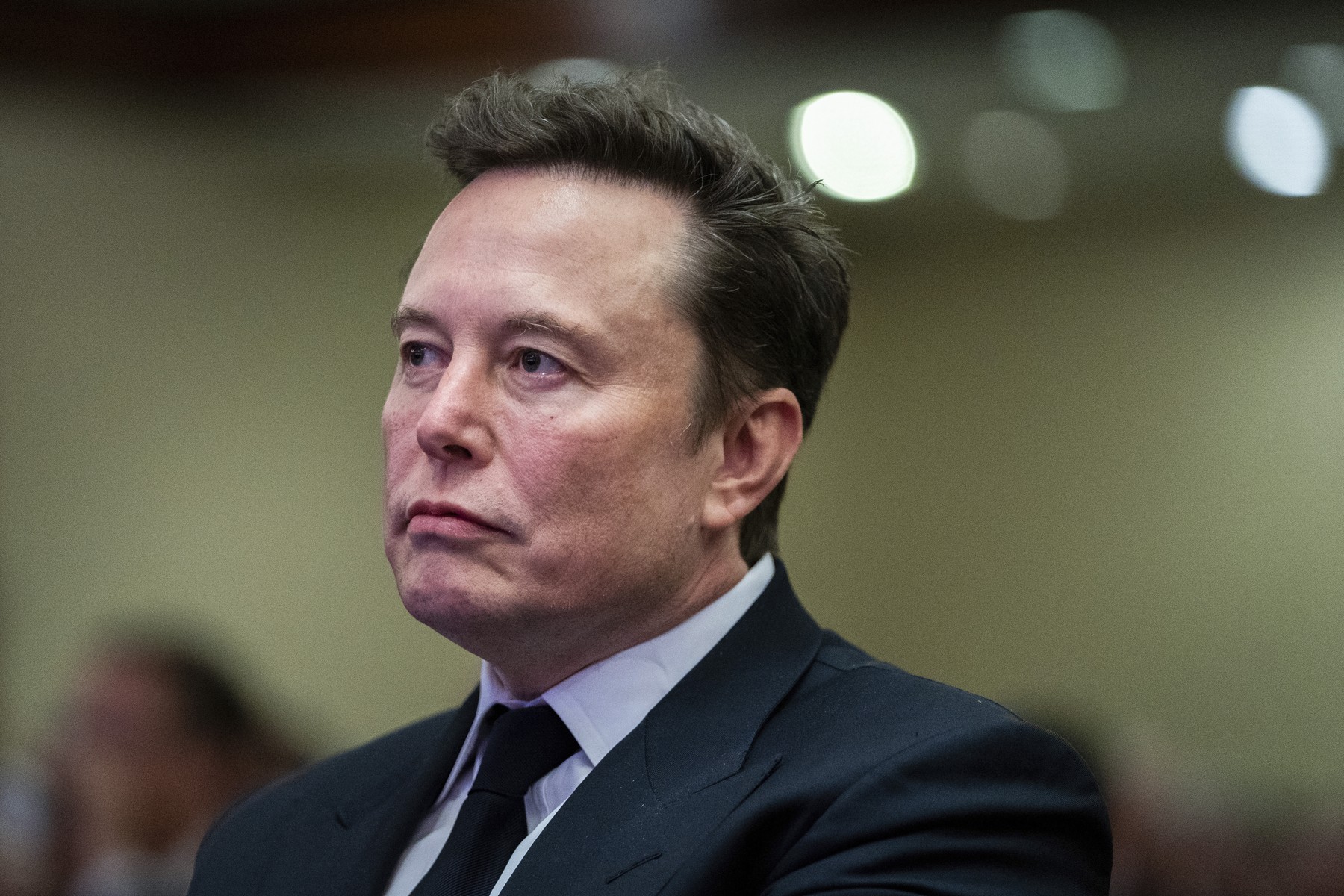
SpaceX, Elon Musk's company, has said it is even more valuable than anticipated as it approaches its stock market listing scheduled for next week, the BBC writes.
In a filing with the US Securities and Exchange Commission detailing its plans for an initial public offering (IPO), SpaceX said its shares should sell for $135 each, raising the firm's own valuation to about $1.75 trillion.
Setting an estimated price for an IPO so far in advance is a rare move, and the amount represents a significant increase from SpaceX's previous valuation of $1.25 trillion earlier this year.
Of course, this does not mean that its shares will sell at the proposed price, as this will ultimately be decided by the buyers. The price could go up or down.
SpaceX, which builds rockets and infrastructure for space exploration but also owns xAI and Starlink, revealing its estimated stock price more than a week before its public debut is unusual.
Typically, companies present an estimated selling price only one day before trading on the open market begins.
SpaceX is expected to begin trading on the Nasdaq on June 12, making its price estimate one of the earliest, if not the earliest, in stock market history. The company aims to raise $75 billion, the largest amount ever raised for an IPO.
If the company's shares sell at or above the expected price of $135, it will immediately become one of the most valuable companies in the world.
And Musk, who controls more than 80% of SpaceX through his own shares in the company, could become a trillionaire.
However, such an outcome is not certain.
According to data from capital markets research firm Dealogic, nearly half of companies that have gone public over the past 30 years have seen their value decline since listing.
Samuel Kerr, head of capital markets research at Mergermarket, says SpaceX is pricing itself at a higher price-to-sales ratio than any other major company included in what investors call the “Mag 7” — Alphabet, Amazon, Apple, Meta, Nvidia, Microsoft and Tesla, another Musk company.
“But SpaceX is valued based on future earnings and revenue rather than the present, so some investors may be willing to overlook that,” Kerr added.
Last year, Space Exploration Technologies – as SpaceX is formally known – generated revenues of $18.6bn (£13.8bn) but made a net loss of $4.9bn.
In the first three months of this year, the company posted sales of $4.7 billion, but posted a net loss of $4.3 billion. Its balance sheet shows it owns $102 billion in assets, such as missiles and other equipment, but also has $60.5 billion in debt.
In addition to space exploration, the company is investing heavily in artificial intelligence (AI), social networking, space internet services and data centers.
Earlier this year, SpaceX acquired xAI , another Musk company known for its Grok chatbot.
xAI started as part of X, formerly known as Twitter, and used its access to live text and insights from the platform for AI training data.
Musk has long believed that developing infrastructure in space is the best way to secure the resources needed to power artificial intelligence, given that land on Earth is scarce.
He presented plans to launch artificial intelligence satellites and build data centers in orbit.
Ruth Foxe-Blader, managing partner at US venture capital firm Citrine Venture Partners, previously said the sheer number of projects SpaceX takes on is attractive.
“SpaceX is just an absolutely vast, enormous, very forward-looking project,” Foxe-Blader said.