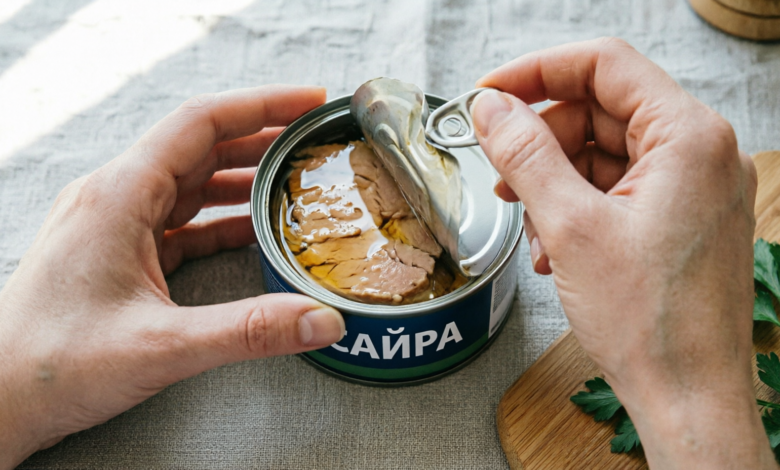
When choosing canned fish, focusing only on the design of the can is not enough. Even products from the same manufacturer can differ markedly in taste and texture, and there is an objective reason for this.
Why opinions about canned food differ
People write opposite reviews about the same product. In the case of the Dobroflot brand, this happens often. However, the reason is not due to random marriage or picky buyers.
The fact is that the manufacturer uses two types of raw materials and two manufacturing technologies. The difference in taste is directly related to what kind of canned fish is made from – fresh or frozen.
Two production methods and their results
Here's the key difference that affects taste:
- Canned frozen fish (onshore production): raw materials are frozen and stored before processing. Such fish may turn out to be dry, over-salted or with a less pronounced taste.
- Canned fresh fish (production at sea, on a floating base): fish goes into processing immediately after catching. The product turns out juicier and retains its natural aroma.
How to distinguish canned food
The first way is to look at the bottom of the jar.
Turn the jar over and find the second line of code. Pay attention to the last characters:
- Numbers “13” – canned food is made from frozen raw materials on the shore.
- Code “P08” – canned food is produced on a floating base from freshly caught fish.
Method two is to read the red flag on the label.
It's easier because you don't have to look at the small numbers:
- The inscription “made by the sea” – coastal production, ice cream raw materials.
- The inscription “made at sea” – production on a floating base, fresh fish.
The difference is one letter or two numbers, but it helps to understand what to expect from the content, says the author of the Posad blog (18+).