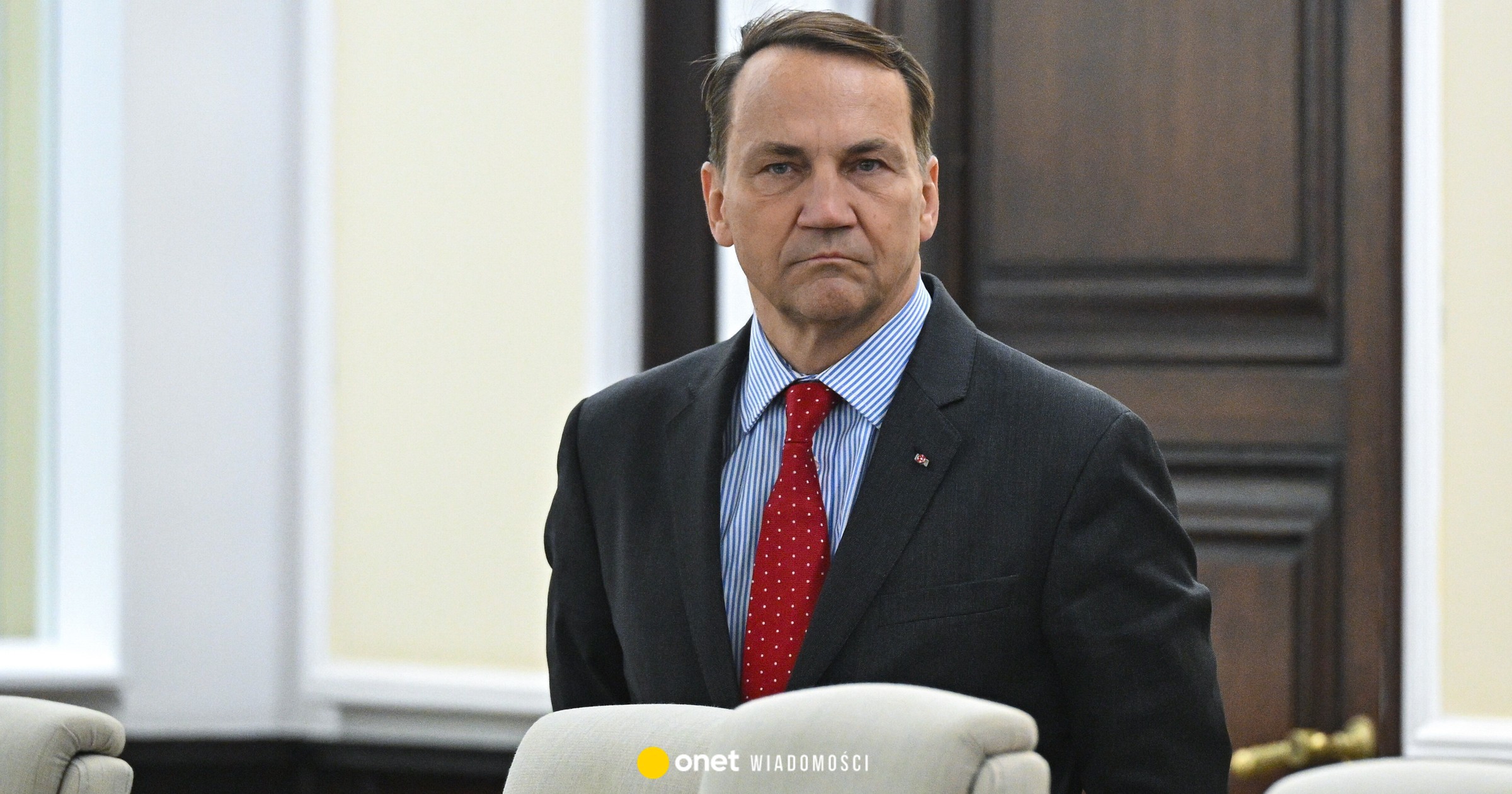
What's next for Cuba? Donald Trump may make a mistake. The situation is terrible

The US president has been trying unsuccessfully to encourage companies to return to this country since January, when he overthrew the authoritarian leader of Venezuela. In the case of Cuba, this may be an even more difficult task.
But helping Cuba “build a better future,” as Secretary of State Marco Rubio proposed this week in a video message to the Cuban people, will require massive private sector investment on the communist-controlled island. American companies approach this cautiously. And without their involvement, Cuba may become a dangerously impoverished and ungovernable country with approximately 10 million inhabitants.
“We're talking about a country that absolutely, 100 percent, needs to be rebuilt,” says Horacio Garcia Jr., a Cuban-American business leader based in Miami who is involved with the Cuban Liberty Council, an organization working for democracy in Cuba. – There is no infrastructure – no water supply, no electricity, nothing, absolutely nothing. There is also no fair banking system. Everything has to be built from scratch. We're talking about a country that is in ruins.
Unlike Venezuela, whose oil sector is a major economic driver, Cuba does not have a single, dominant industry that Trump could tap into, although both U.S. agriculture and tourism companies have expressed interest in the past.
And the long rule of the communist regime in Havana led to a much greater decline in the private sector, as well as the decay of public infrastructure.
Cuban traps
Any effort to open Cuba comes with a heavy burden of history, from an expatriate community eager to reclaim confiscated property to layers of American policy that would need to be dismantled to promote business development.
This includes abolition decades of US sanctionswhich would likely require some congressional approval. An additional challenge is the case pending before the Supreme Court. It concerns how entities can bring lawsuits over property confiscated by the Cuban government in the 1960s, which the U.S. Chamber of Commerce warned could expose U.S. companies to lawsuits.
– Kuba it a complex, nuanced place – says Mark Entwistle, former Canadian ambassador to Cuba. — So every aspect of it has its own story and there are traps everywhere.
The White House declined to comment on the matter.
But a person familiar with the discussions among Trump's people believes the administration is in contact with business leaders about potential future investments on the island. The source declines to provide details of the talks, but emphasizes that the White House is talking to people.
There are American companies, mainly in the agricultural and motorcycle industries, that export their products to the island. Tourism companies such as hotels and cruise ships have shown immediate interest in investment during the temporary boom in economic relations that occurred as part of former President Barack Obama's diplomatic opening to Cuba in 2015. Companies from countries such as Spain and Canada have invested in the island, although on a limited basis.
“You won't invest in risk”
On Thursday, President Trump pointed to the Cuban-American community as a key asset in the country's recovery. “They want to come back, they want to invest in their country and see if they can revitalize it,” he said.
But Trump's team realizes Cuba needs it significant political and economic changesbefore any U.S. companies would consider making major investments, according to a person familiar with the talks.
“I've been building companies all my life, I've been investing all my life,” says Senator Rick Scott, a Republican from Florida. -You won't invest in risk unless you're an idiot. Therefore, we need a clear democracy and a clear rule of law. People won't commit money. At least not in significant amounts.
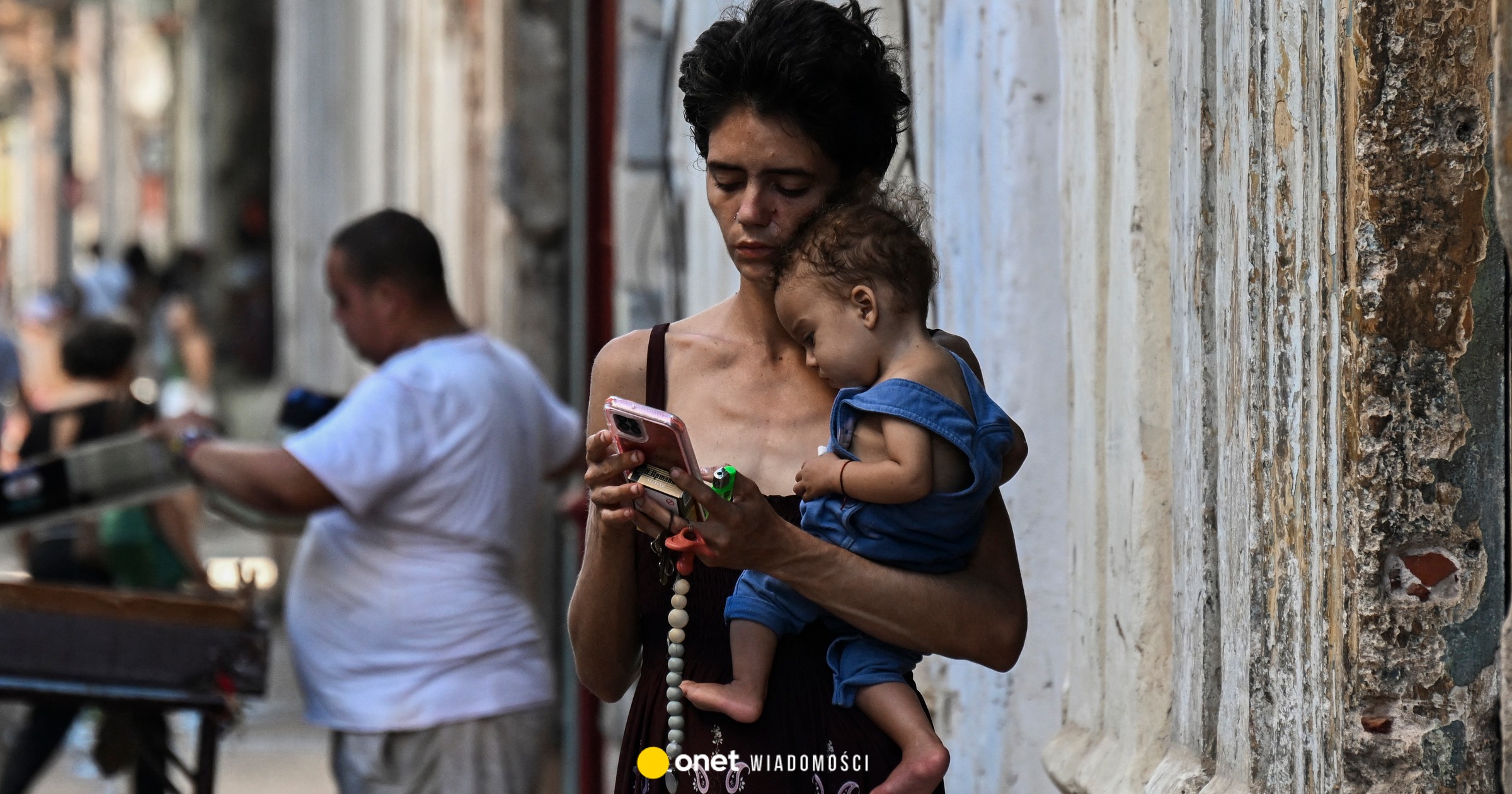
Everyday life in Havana, May 20, 2026Magdalena Chodownik / AFP
However, as Entwistle notes: “there is no Cuban Delca”. “Unless there is a real war, ultimately you will have to cooperate with the Cuban government,” he adds.
—Venezuela succeeded because it was so weakened. I think Cuba is also weakened, but I also think that people deeply misunderstand Cuba and its extraterritorial reach, says a representative of an industry organization who asked to remain anonymous. This ranges from Cuba's ties to countries like China and Russia to its passionate expatriate community in the United States, as well as ongoing legal disputes over property confiscated by the Cuban government.
Calm before the storm
Investments by American companies in Cuba are related to: additional riskfor example, because of a 1996 US law that allows people and companies whose property was confiscated after the Cuban Revolution to sue any company that profits from that property. American Airlines and a Spanish hotel chain recently reached settlements in lawsuits brought by Cuban Americans who inherited confiscated property.
On Thursday, the Supreme Court ruled that a U.S.-owned port off the coast of Cuba had the right to sue four cruise lines that used the docks between 2016 and 2019 under the law. The court is currently considering another case in which the energy company Exxon Mobil wants to file a lawsuit in connection with confiscated oil and gas.
Industry associations say companies are not discussing openly about possible investment interest in Cuba, partly out of fear that failing to deliver on promises in an uncertain economic climate could result in a backlash. reprimand from Trump.
“Everyone is waiting quietly,” emphasized John Kavulich, president of the U.S.-Cuban Economic and Trade Council. — And this means that companies that operate in Cuba today, where it is allowed, simply operate, but they do not talk about it. And those that are interested are gathering information and monitoring the situation, but not disclosing it publicly because the risk is simply too great.
As companies wait, the U.S. is mounting pressure. The Justice Department on Wednesday indicted former Cuban President Raul Castro in connection with the 1996 killings of four people involved in civilian rescue flights. This is a political escalation at a time when the country is struggling with rolling power cuts.
Cuba's urgent needs
— It's a failed country, everyone knows that. “They don't have electricity, they don't have money, they don't have anything,” Trump said Thursday. “We're going to help them.
The first thing Cubans need from the US is food. Paul Johnson, president of the American Agricultural Coalition for Cuba, says there will be an immediate need for agricultural aid on the island as the country's hog and poultry herds have thinned significantly and the food crisis is growing.
— Someone in my circle, I hope [Białego Domu] at least it touches on agriculture, because both from an industry perspective and from a humanitarian perspective, we're dealing with an obvious food crisis that no one really wants, says Johnson.
Currently, American companies export chicken, rice and beef to Cuba. Johnson believes these exports could increase. If the United States lifted its embargo on the island, Americans could also start buying more Cuban agricultural products, expanding from coffee and charcoal to tropical fruits and winter vegetables, as well as the famous cigars.
Another urgent investment need would be to repair Cuba's crumbling infrastructure. According to Entwistle, upgrading the island's infrastructure – from water to electricity to improving internet access – will cost billions after decades of neglect.
Despite significant obstacles, American companies continue to take notice potential Cuba – at least from tourists wanting to visit a country known for its beautiful beaches and rich history.
Kavulich compares business interest in Cuba to an electrocardiogram that shows ups and downs while monitoring the heart.
– We are at the top in terms of interest, but in the valley when it comes to taking any action on this issue – he believes. — Currently, there is enormous knowledge, interest and focus on what will happen to Cuba, but because the question remains – what will happen? — no one does anything.