Capt. Tim Hawkins, a spokesman for U.S. Central Command, said in a statement that the attacks were carried out “to protect our troops from threats posed by Iranian forces.”
— The goals were, among others, missile launch sites and Iranian boats trying to deploy mines, Hawkins said. “U.S. Central Command continues to protect our forces by exercising restraint during the ongoing ceasefire,” he said.
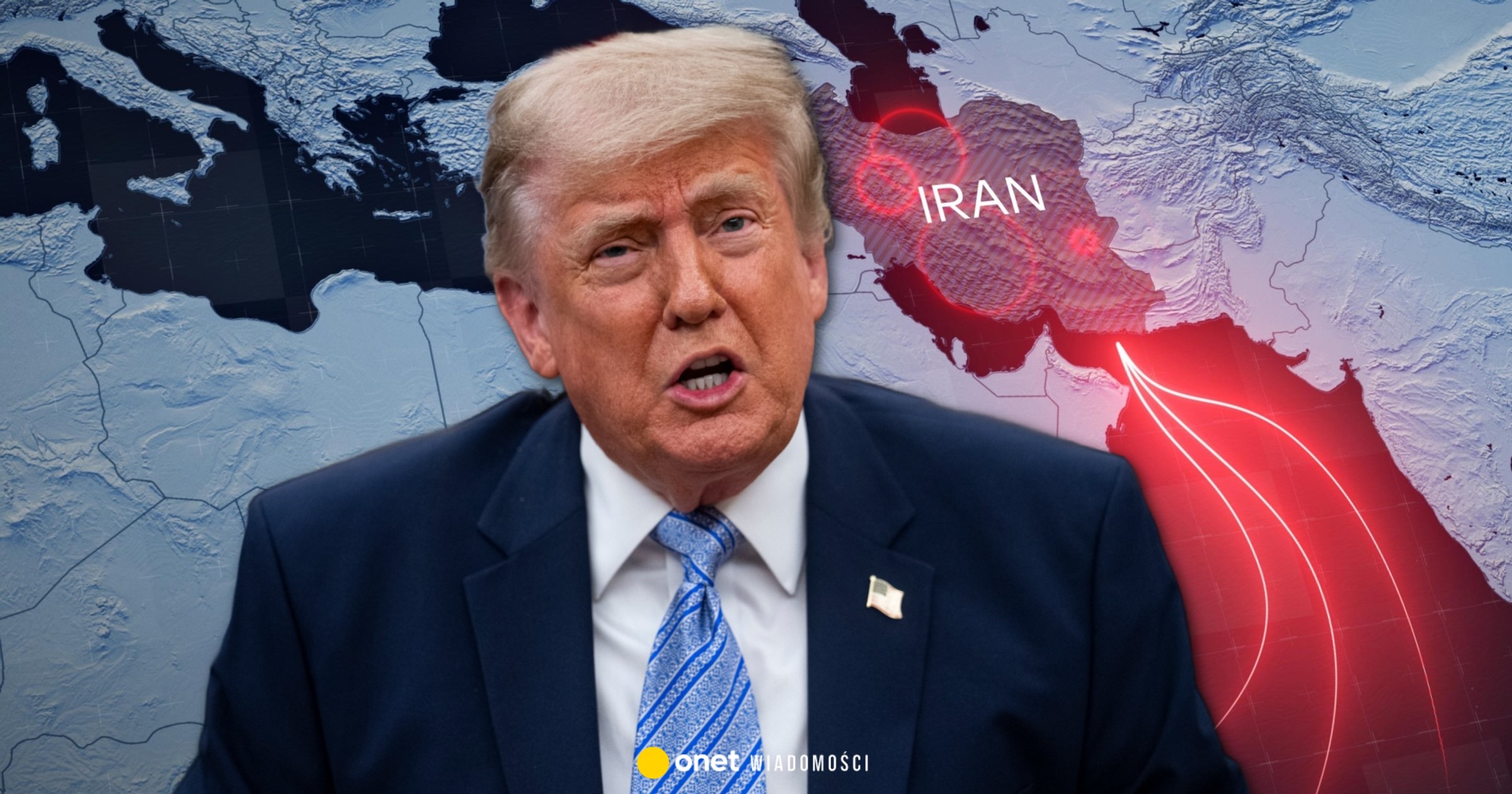
Shortly after Trump insisted that talks with Iran were going well, negotiations stalled. Republicans are now also openly expressing their disbelief in the success of Trump's tactics.
Some Republican senators, including Thom Tillis, Ted Cruz and Lindsey Graham, expressed skepticism over the weekend about a possible deal. They appealed to the president not to reward Iran for using the Strait of Hormuz as a tool of pressure during the war.
Trump responded to his critics in a Monday morning tweet, calling them “losers” who “only create confusion and division.”
The article continues below the video
Donald Trump wrote in a social media post on Monday that Iran's enriched uranium “will be immediately turned over to the United States for transportation and destruction” or “destroyed on site” in Iran or another acceptable location. He emphasized that the issue of the nuclear program remains a bone of contention in the negotiations. Trump added that the process should be overseen by the U.S. Atomic Energy Commission “or its equivalent.”
There was repeated speculation over the weekend about an imminent peace agreement, especially after Trump withdrew from attending his eldest son's wedding, remaining in Washington due to “government matters.”
“We are returning to the front and fighting”
On Saturday, Trump hinted that an Iran deal was imminent, writing on Truth Social: “Final aspects and details of the agreement are currently being discussed and will be announced soon.”
However, a day later, Trump wrote in an entry that he had instructed American negotiators “not to rush into concluding an agreement,” while emphasizing that the talks so far had been constructive.
In a lengthy tweet on Monday morning, the president suggested there were still details to be worked out: “It will either be a great deal for everyone, or there will be no deal at all – we're going back to the front and into the fight, but this time stronger than ever – and no one wants that!” Trump said.
In his post, the president called on the leaders of Arab countries to join the Abraham Accords and normalize relations with Israel, emphasizing that he “obliged them to sign the agreement” as part of the peace process in the Middle East.
The Abraham Accords — which Trump initiated at the end of his first term and which he considers a key part of his legacy — may be a reason for some countries in the region to hesitate to criticize Israel for renewed attacks on Lebanon.
The crisis continues
More than a month ago, the US president announced a temporary ceasefire with Iran, previously threatening to “destroy an entire civilization.” Now there seems to be another escalation.
The war in Iran has weighed heavily on the global economy, with energy prices skyrocketing since the United States and Israel launched their first attacks, and Iran blocking the strait through which much of the world's oil flows.
The fate of the Strait of Hormuz – alongside the future of Iran's nuclear program and enriched uranium stockpiles – will most likely be one of the most important topics of any future agreement.
I’m Ashley Davis as an editor, I’m committed to upholding the highest standards of integrity and accuracy in every piece we publish. My work is driven by curiosity, a passion for truth, and a belief that journalism plays a crucial role in shaping public discourse. I strive to tell stories that not only inform but also inspire action and conversation.