Article by Mihai Șovei – Published Monday, May 25, 2026, 1:05 p.m. / Updated Monday, May 25, 2026, 1:06 p.m.
Marcos Llorente (31 years old), the footballer of the Atletico Madrid team, is one of the athletes with the most controversial routines and lifestyle habits, many of which conflict with scientific recommendations and health experts.
In terms of food, Marcos Llorente only consumes meat and fish, but also wine.
Marcos Llorente's eating habits
Marcos Llorente, winner of the Champions League with Real Madrid in 2018, has lifestyle habits that, although considered healthy by him, often contradict the recommendations of specialists.
Sun exposure without sunscreen, avoiding vegetables, wearing glasses with tinted filters and going shirtless in 0 degrees Celsius are just a few of the footballer's routines which are not looked upon kindly by the experts. In terms of nutrition, he has been following the paleolithic diet for years, a regimen that “focuses on eating foods that could have been hunted or gathered, such as lean meat, fish, fruits, vegetables, nuts and seeds”according to cuidateplus.marca.com.
Regardless of the benefits or risks of this diet, Llorente has a vice considered unhealthy: the wine.
As he himself admitted on social media, “in terms of health, of course i know wine is not optimal for mebut what opening a bottle brings me with family, conversations, hugs, memories, is infinitely greater than any negative aspect”.
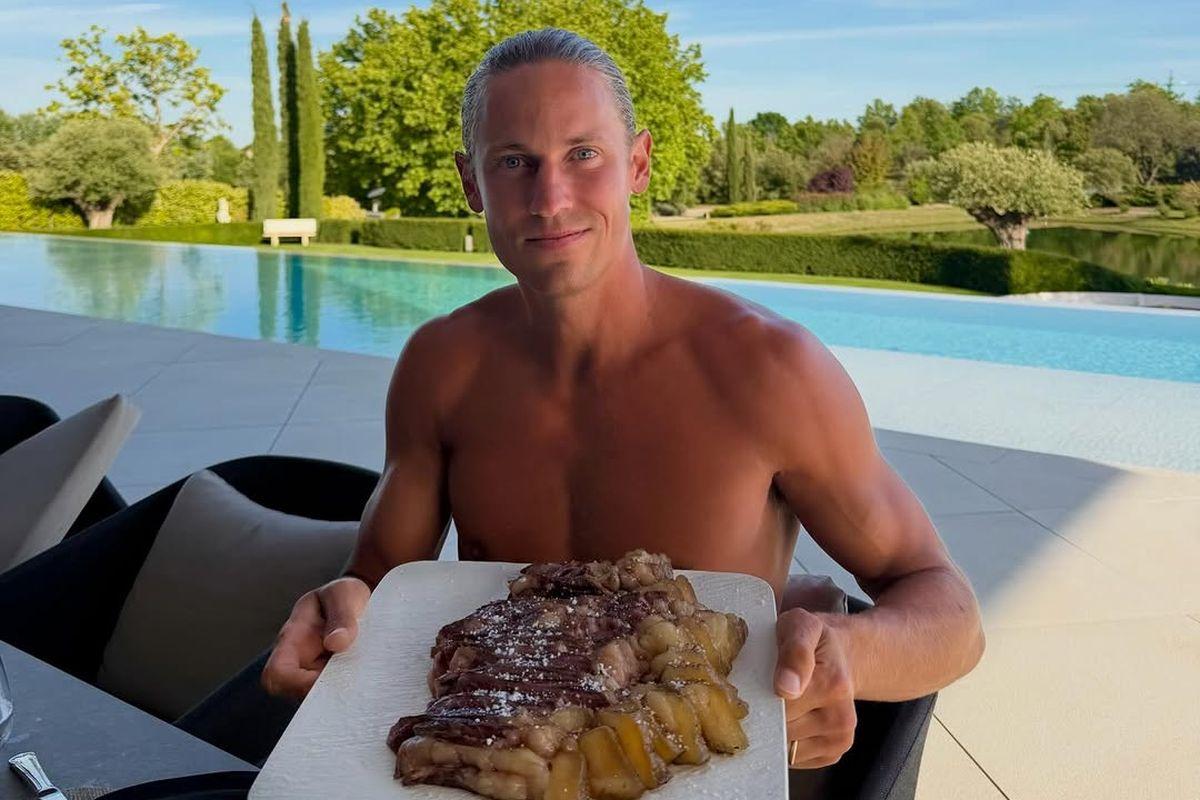
Marcos Llorente / photo: instagram @marcosllorente
The impact of wine consumption on the body
The aforementioned publication explains that the potential benefits of wine “come from its bioactive compounds, especially polyphenols such as resveratrol or procyanidins, not from alcohol.”
-
These natural antioxidants, found in the skin and seeds of grapes, work by reducing oxidative stress and modulating low-grade inflammatory processes, which in theory may protect the cardiovascular system.
However, recent studies state that there is no truly safe or beneficial amount of alcohol. Even low doses increase the risk of certain types of cancer, especially breast and colon, in addition to affecting sleep, gut microbiota and liver function.

Marcos Llorente / photo: instagram @marcosllorente
Wine consumption among athletes
Maria Jose Cachafeiro, pharmacist and nutrition expert, spoke to the previously mentioned source about wine consumption among athletes.
“In athletes, alcohol interferes on several levels. Among other things, it decreases muscle glycogen synthesis, affects recovery, dehydrates and worsens sleep quality. In addition, it can increase systemic inflammation and hinder cellular repair,” the aforementioned source said.
Alcohol also alters the balance of the gut-brain axis, meaning it affects the gut microbiota, increases mucosal permeability and therefore the inflammatory response. Even occasional consumption can compromise an athlete's recovery.
It is considered ideal to limit consumption to no more than 100 ml of wine (a small glass) for men and less for women, and not every day. The body needs liver rest days. If the person eats well, exercises, sleeps, does not smoke and has no medical conditions, an occasional drink, enjoyed without guilt, should not have a significant impact. But we shouldn't call it healthy, but occasional,” she said.
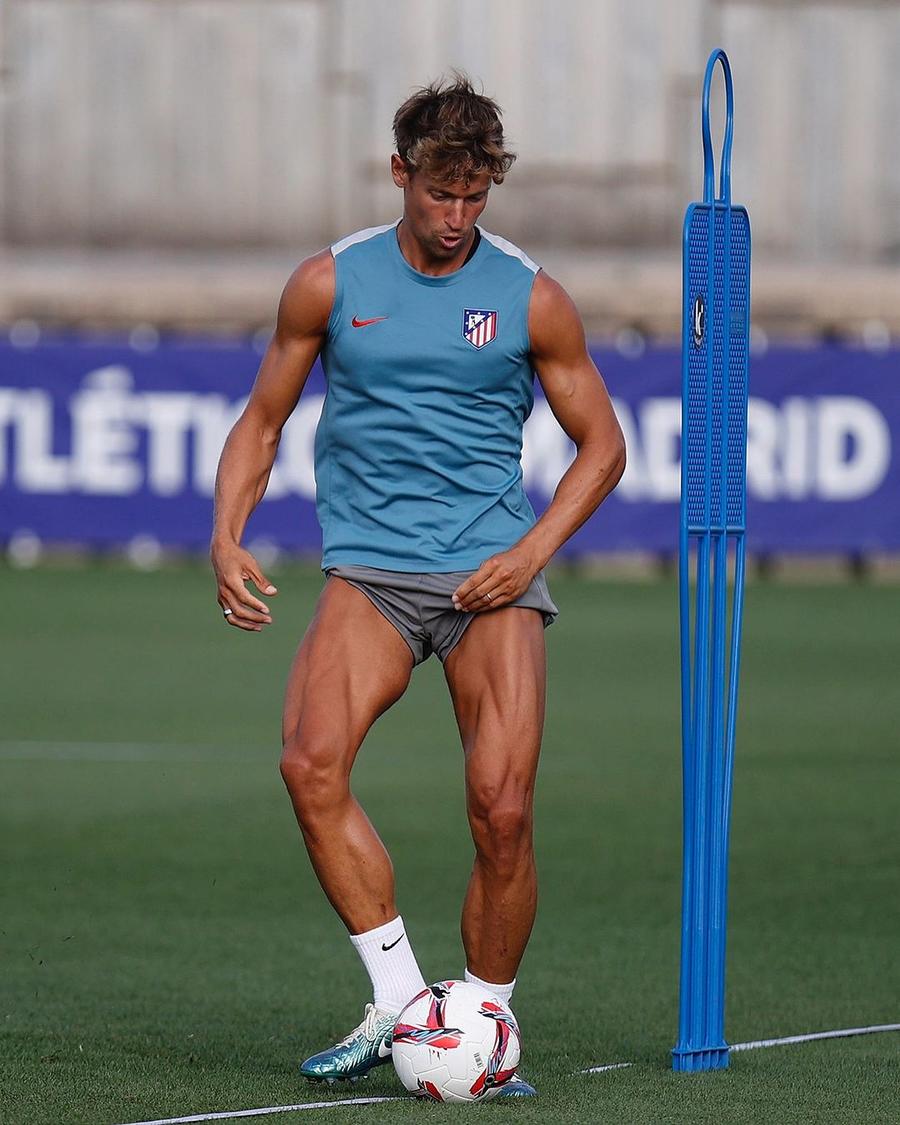
Marcos Llorente's fitness / photo: facebook @Atletico de Madrid