Sam Altman wins Elon Musk lawsuit, but OpenAI CEO's testimony scares investors: 'He lied to others'

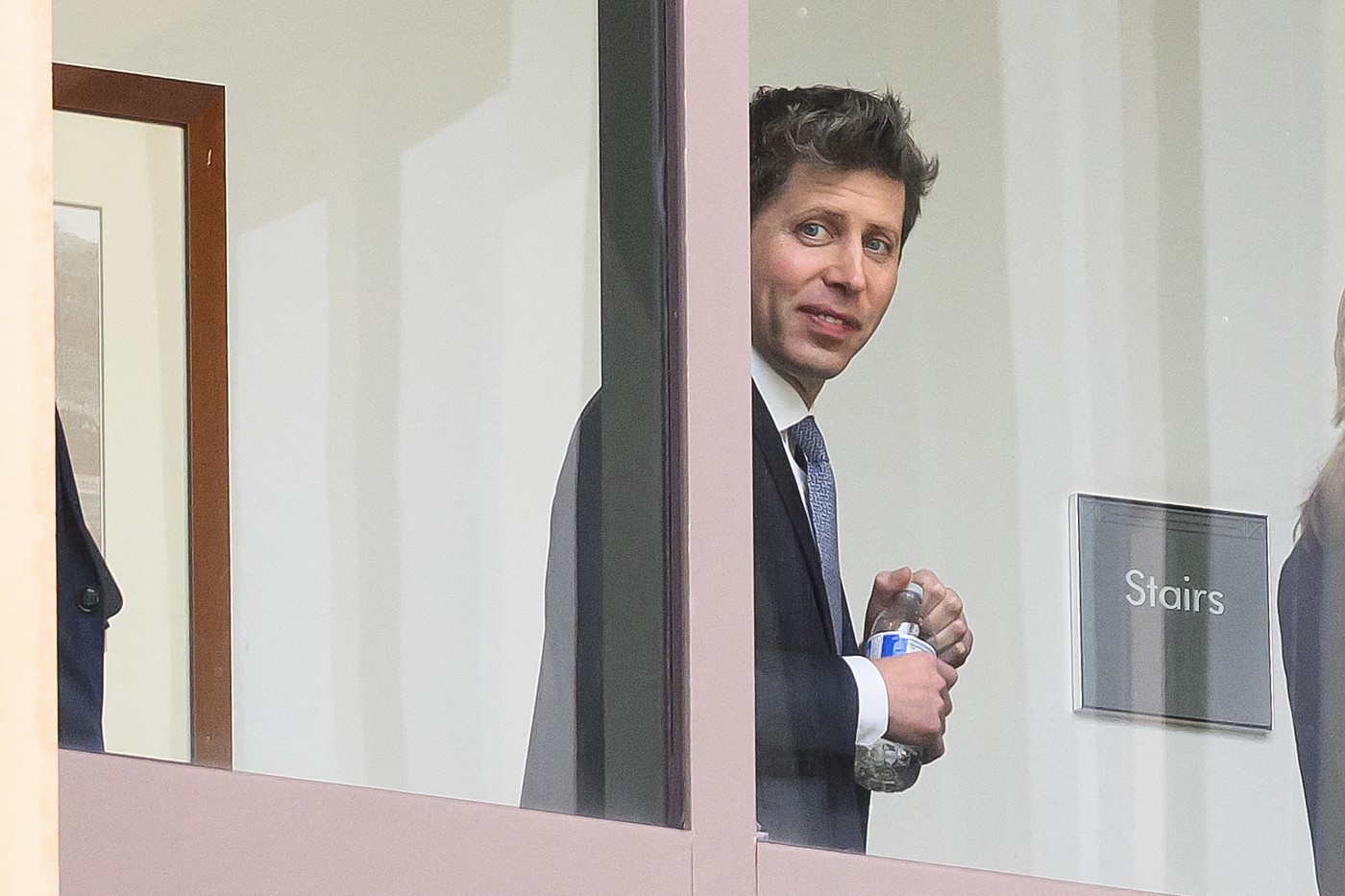
OpenAI has escaped a $150 billion lawsuit against Elon Musk, but the victory is overshadowed by revelations from former colleagues of Sam Altman, who have charged in court that his management style generates “chaos and turmoil,” according to Reuters.
Sam Altman defeated Elon Musk in federal court on Monday after a federal jury rejected the former OpenAI co-founder's complaint that the non-profit was wrongfully turned into a for-profit company.
Jurors decided in less than two hours that the world's richest person waited too long to file the lawsuit, in a verdict that could be difficult to challenge.
The verdict eases the path to an initial public offering of OpenAI. The lawsuit risked forcing the company to replace its management, but Altman's image could undermine the confidence of investors who are being asked to contribute to a potential $1 trillion initial public offering.
Altman, the public face of the ChatGPT producer, endured days of testimony from former colleagues and other witnesses who described him as an untrustworthy leader. During cross-examination, Musk's attorney cited comments from eight witnesses, including Musk, who said Altman “misled or lied to others.”
Altman defended himself in his response, stating, “I consider myself an honest and trustworthy businessman.”
“This verdict removes the biggest legal threat to a public offering,” said James Rubinowitz, a trial attorney and AI specialist.
“However, even victorious, OpenAI is left with the worst documentary evidence of its governance, which is now permanently in the public record. Every institutional investor who reads the trial transcript does their own analysis of Altman's credibility before buying stock,” the lawyer warns.
Altman's honesty at the heart of the case
During the trial, OpenAI's lead attorney told reporters that Musk's team had resorted to “smearing the character” of Altman instead of presenting evidence to support his claims. In support of this position, an official of OpenAI, Joshua Achiam, said of Altman: “In all my direct experiences with him, I feel that he has been honest with me.”
Musk claimed that OpenAI's leaders violated the agreement by which they committed to maintain the organization as a non-profit working for the benefit of humanity.
Testimony in the trial represented a showdown between billionaires in which the theme of honesty was central to Musk's argument, as he was one of several former colleagues and associates who called Altman a liar. On the other hand, OpenAI went much further, portraying Musk as someone who wants to take control of the enterprise.
“Sam Altman's credibility is directly at issue in this case,” Musk's attorney, Steven Molo, said in his closing argument. “If you don't believe him, they can't win.”
Older issues for the head of OpenAI
Although the trial was Altman's most significant and longest moment in the spotlight, some of the allegations were not new.
OpenAI's board fired him in 2023, questioning his ability to lead, only to reinstate him less than a week later after a large portion of the company's employees threatened to quit.
During the trial, OpenAI's lawyers noted that the vast majority of the company's employees signed a letter supporting its reinstatement.
Much of the evidence presented in the trial, however, was unfavorable. Among them were reams of documents showing he had billions of dollars in investments in companies working with OpenAI, raising questions about a conflict of interest.
Altman said he generally recused himself when there were potential conflicts and that he did not believe he had misled business people. OpenAI President Bret Taylor, who joined the board in late 2023 after Altman was reinstated, said Altman was honest about his conflicts. Taylor said he submitted a memo detailing his conflicts before the board updated its conflict of interest policy.
Internal Memoranda Revealed
In September 2022, OpenAI's former CTO Mira Murati detailed several problems with Altman's leadership style, according to a memorandum made public in the lawsuit.
“Constant panic around our projects, people, goals, etc. creates chaos and turmoil,” Murati wrote in a memo titled “Feedback from Mira to Sam (only Sam had access to this).” “We talk about focus, but in practice our approach is to do everything and do it quickly.”
In a video deposition shown to jurors, Murati paused when asked if, by the fall of 2023, she considered Altman an honest person.
“Not always,” she replied. Murati added that Altman undermined his work and pitted other OpenAI executives against each other.
Ilya Sutskever, a co-founder and former board member of OpenAI, testified that he had been collecting examples of Altman's leadership deficiencies for more than a year.
OpenAI avoided the worst-case scenario, Wedbush analyst Dan Ives wrote after the verdict. He called the verdict a “huge victory” for Altman and OpenAI, “despite the scratches and bruises to Altman's image and leadership.”