In a world marked by wars, geopolitical tensions and uncertainties regarding the future of the transatlantic relationship, Europe is increasingly forced to redefine its strategic role. In this context, Ukraine's experience in the face of Russian aggression is seen by some analysts as a possible model for how the continent might learn to defend its interests in an era less dependent on American support.
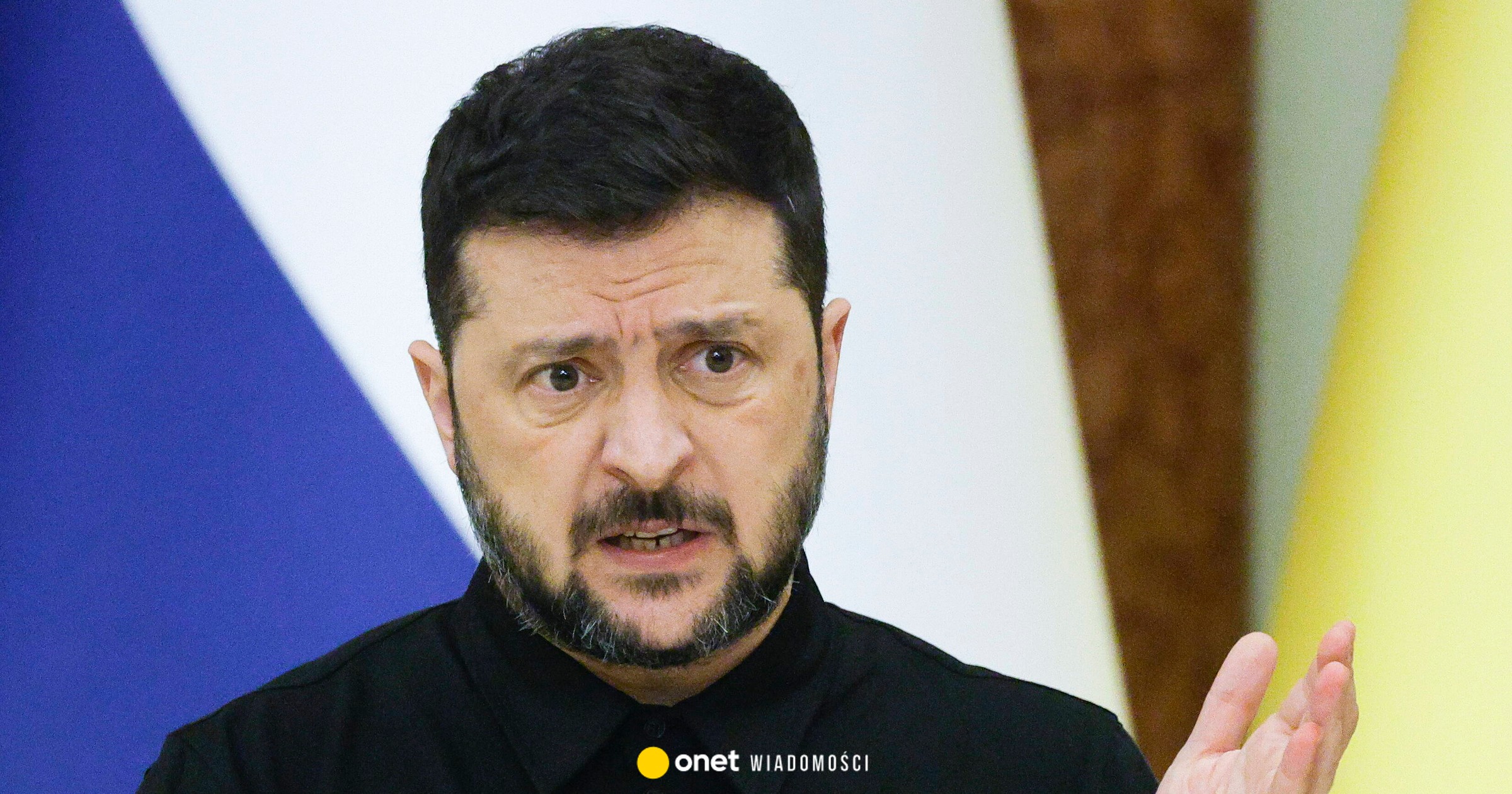
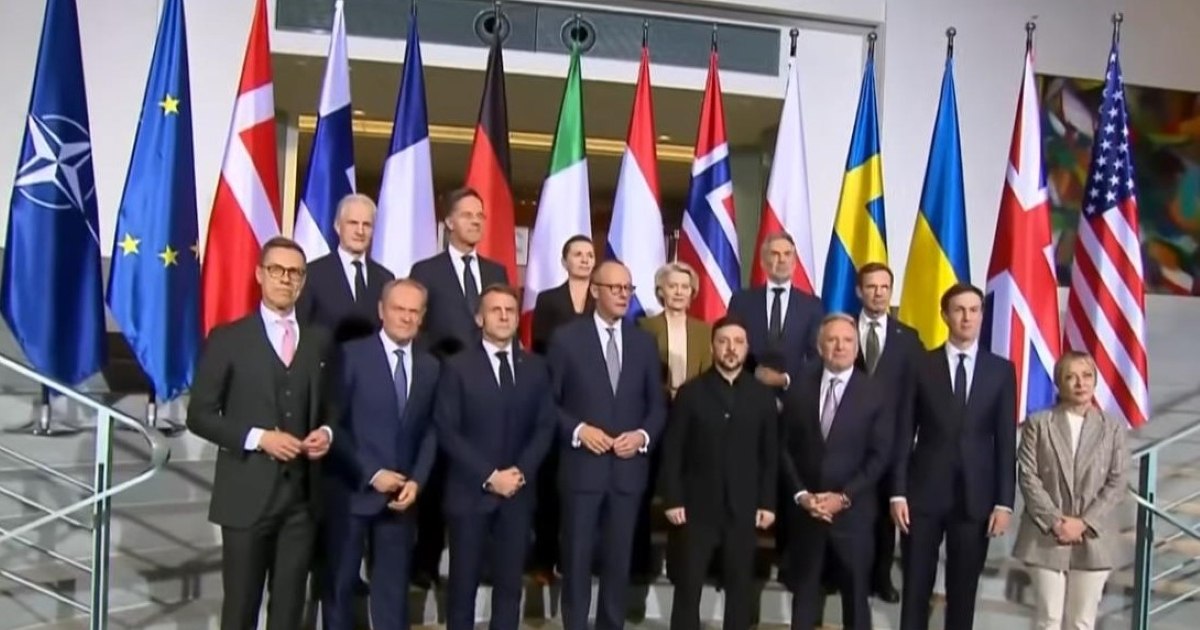
Volodimir Zelenski at the meeting of European leaders/PHOTO: EPA/EFE
“I think sometimes I missed opportunities to listen”French President Emmanuel Macron told an Eastern European audience at the GLOBSEC Forum in Bratislava in June 2023, in a speech that sought to bridge the gap between the old and new members of the European Union.
At the time, Macron spoke of the need for a European “strategic awakening”. Three years on, this transformation remains largely incomplete.
For a Europe accustomed to the security umbrella of the United States and a relatively predictable international system, the current geopolitical reality—one dominated by fierce competition between powers—has proven difficult to manage.
A strong Europe, but incompletely prepared
The European Union is neither the largest, nor the richest, nor the best-armed global bloc. Furthermore, it is marked by persistent divisions between member states and does not include major European actors such as the United Kingdom or Ukraine.
If Europe wants to regain its strategic relevance, the first step would be to integrate Ukraine and take on the lessons that this country offers, Dalibor Rohac, senior researcher at the American Enterprise Institute, argues in the Kyiv Independent.
The lesson of Ukraine: survival in inferiority
In the face of a much stronger opponent, Ukraine managed to hold out and stabilize the front, becoming a rare case of “strategic survival” in a conflict of attrition.
Through precise and low-cost strikes, Kiev has moved the war deep into Russian territory, targeting energy infrastructure and forcing Moscow to redeploy its air defense resources.
With no navy of its own, Ukraine has largely neutralized Russia's control of the Black Sea and expanded its influence through technological and defense partnerships with Gulf states, as well as Germany and the United States.
Europe must play by its own rules
For Europe, the conclusion is clear: global competition cannot be won by imitating the great powers, but by using one's own advantages, the researcher claims.
Trying to compete directly with China or the United States in terms of economic size or military capability is considered by many analysts to be an unrealistic strategy.
Instead, the European Union must identify its strengths and capitalize on them strategically, including by exploiting the vulnerabilities of its competitors.
Europe has legal stability, the rule of law and a large market — elements that are increasingly valuable in an unstable global context.
The continent also remains an important center for leading industries, including semiconductor equipment manufacturing and advanced pharmaceutical and chemical sectors.
Between ambitions and structural constraints
However, progress towards a European strategic autonomy has remained limited.
An aging population and costly social systems make common initiatives in areas such as defense or energy independence difficult, especially in the absence of strong common fiscal discipline.
In addition, there is an important psychological dimension: many member states continue to relate to a past Atlantic order, despite the obvious changes in the international system.
Persistent dependencies and global vulnerabilities
Although Europe has reduced its dependence on Russian energy resources, it remains exposed to fluctuations in global oil and gas markets.
Efforts to build a European defense industry are uneven and slowed by fears of a backlash from Washington — which, paradoxically, demands Europe to take more responsibility but reacts sensitively when this happens outside the American framework. Some structural dependencies, particularly technological and military, are likely to remain in the long run.
Ukraine as a strategic model
However, Ukraine's experience shows that Europe does not need identical solutions for every problem, but a coherent strategic thinking.
Such an approach would allow the European Union to become an indispensable actor for its partners and able to impose real costs on its adversaries in multiple fields.
Early signs of a change
Although fragmented, Europe has demonstrated in recent years a greater capacity to adapt than anticipated.
The Eurozone has withstood the crises of the 2010s, and European states have managed to partially offset the reduction in American support for Ukraine, including by financing major aid packages.
At the same time, the European Union reacted firmly to external pressures, strengthening its position in the face of increasingly unpredictable geopolitical tensions.
The central message from the analysts is that Europe is in a moment of strategic transition, but without a fully consolidated direction.
For this “awakening” to become a reality, it must be transformed from a one-off reaction to crises to a permanent, coherent, and sustained policy—one that reflects the new realities of global power.
“War of the Cities”, Version 2026. The Forgotten Lesson of the Iran-Iraq Conflict
Putin's belief that he can “survive the West” is being tested on several fronts
Russian President Vladimir Putin's strategy is beginning to show visible cracks, both externally and within Russia.
On Tuesday, May 19, the Kremlin leader traveled to Beijing for a summit with Chinese President Xi Jinping. Unlike US President Donald Trump's recent visit, the meeting is expected to highlight a closer political relationship between Moscow and Beijing.
Even if Russia is increasingly becoming a secondary partner in this relationship, for Putin the visit represents an opportunity to project the image of power alongside another authoritarian leader and to distract attention from the increasingly obvious vulnerabilities of his regime, writes the Financial Times.
Isolation, increased security and a controlled public presence
In recent months, several international analyzes have signaled an increasing isolation of the Russian leader and an almost exclusive focus on the war in Ukraine.
Sources quoted by the Western media claim that the security measures around Putin have been intensified, amid fears of possible assassination attempts. There is talk of a reduction in public appearances and longer periods spent in heavily secured premises.
In parallel, the Kremlin tries to maintain the appearance of normal institutional activity through a carefully controlled public presence of the president.
War, the economy and the pressure of sanctions
Although some external developments — including tensions in the Middle East — have temporarily brought economic benefits to Moscow, recent weeks have revealed more and more fragilities.
Economic analyzes show signs of a slowdown, and the Russian budget is affected by the high costs of war, sanctions and structural imbalances.
At the same time, the military offensive in Ukraine remains far from the goals stated by the Kremlin. Although the Russian military command claims that progress on the front continues, it is slow and achieved with significant losses.
Estimates cited by Western officials speak of tens of thousands of casualties per month among Russian forces, not including the wounded.
Demographic pressure and economic effects
The loss of a large number of young people — either at the front or through emigration — is beginning to have visible effects on Russia's labor market.
The Russian government has revised down its economic growth forecast for 2026, citing labor shortages, high public spending and the impact of Western sanctions. Inflation remains fueled by staff shortages and expanding military spending.
China denies report that Xi Jinping told Trump Putin may regret Ukraine invasion
The war continues, but without a decisive imbalance
Despite these pressures, there are no indications that Russia has entered an immediate economic crisis or that the strategic balance has shifted decisively in favor of Kiev.
Moscow retains significant capabilities to launch long-range strikes on Ukrainian territory, and its military resources remain considerable.
At the same time, Ukraine faces its own difficulties, particularly in terms of human resources and the pressure of long-term sustainability.
Analysts quoted in the international press say that Putin's growing isolation reflects, paradoxically, both his focus on the war and his determination to continue the conflict no matter the cost.
A Western strategy based on gradual pressure
In this context, the strategy of Ukraine and its European partners remains one of attrition: gradually increasing the costs of war for Russia in an attempt to force, over time, a negotiation around the current front lines.
The European Union's recent decision to unlock a major package of financial support is seen as an important signal to strengthen this approach, despite uncertainties related to American support.
After four years of war, the conflict is beginning to produce increasingly visible domestic tensions in Russia, and even some pro-war voices in the Russian public space are raising questions about command errors and the overall direction of the conflict.