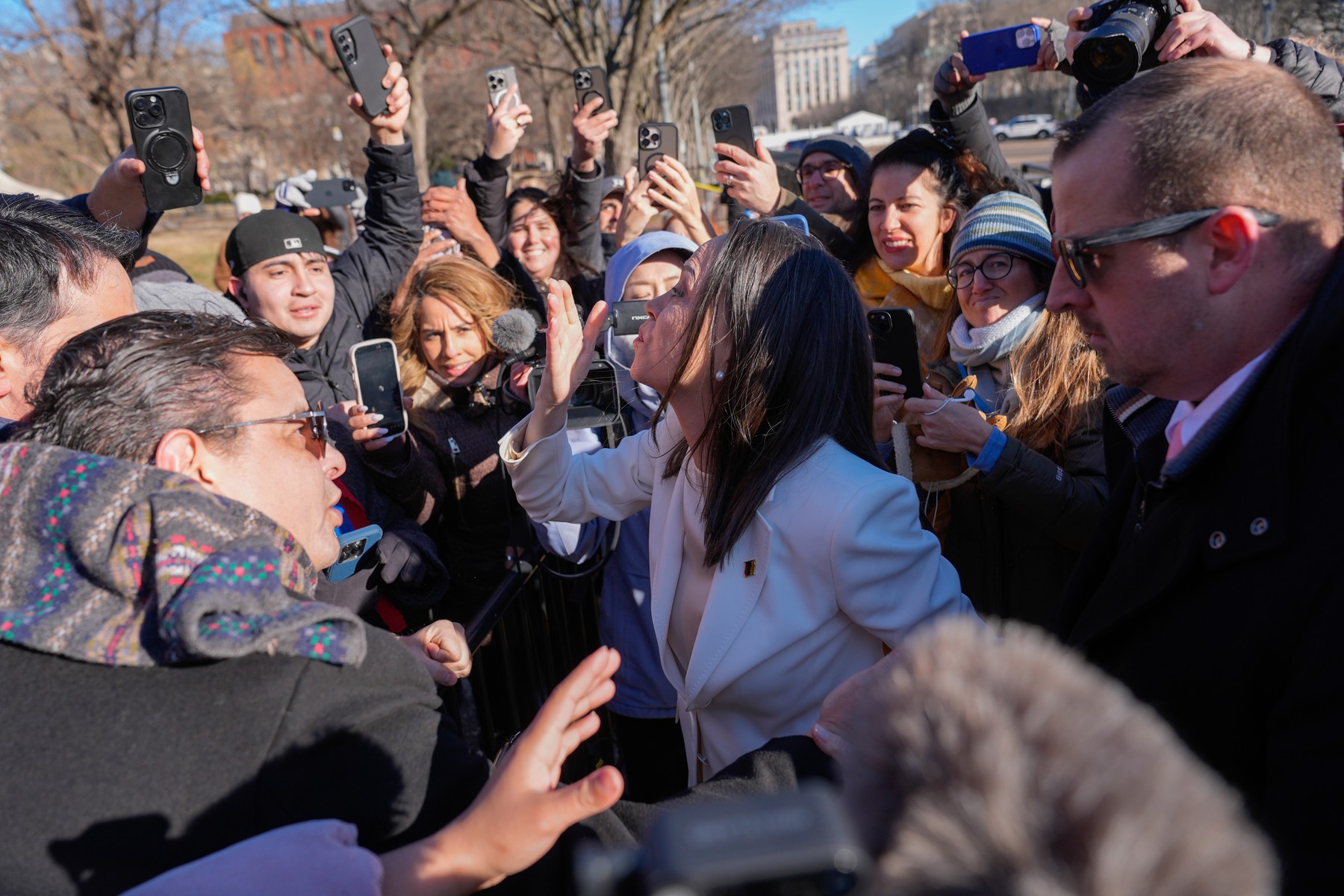
Three Romanian influencers promoted Malta at Eurovision. Is this what betrayal looks like or is this what digitization looks like?

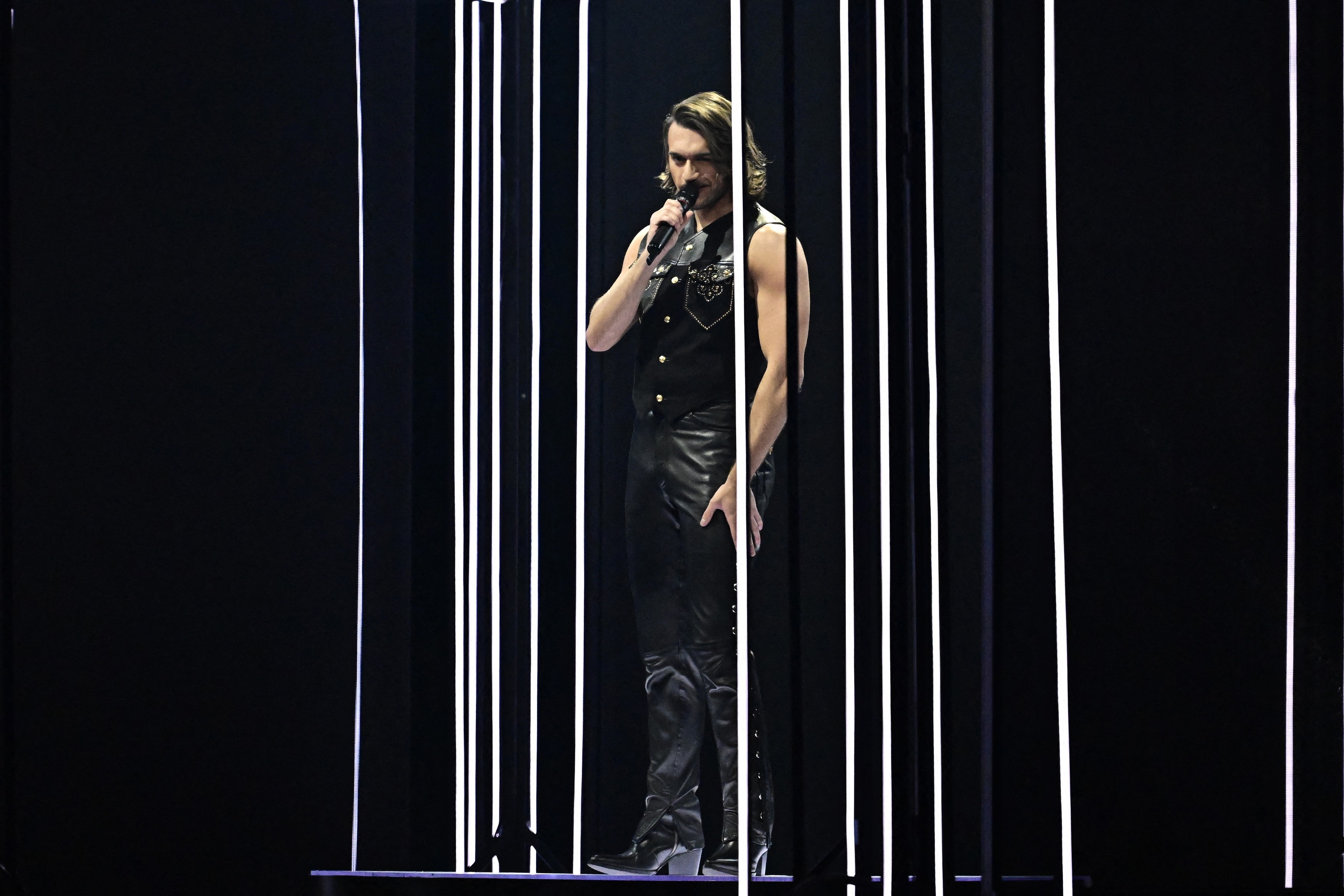
Three Romanian influencers (Marilu Dobrescu, Fabian Soare and Nicole Cherry) had posts on TikTok flagged as paid partnerships, in which they recommended people to vote for Malta's song at Eurovision.
- Even if you can't vote for Alexandra Căpitănescu's song in Romania, the influencers' posts brought a wave of comments in which people accused them of a lack of solidarity with the artist from Romania.
Journalist Vlad Dumitrescu sends the Good Tech newsletter every Wednesday morning. If you want to receive practical tools to make your life easier with the help of technology, you can subscribe here:
When artists or states turn to content creators to artificially boost a participant's visibility, it's no surprise. It's a natural extension of how online culture works.
Eurovision is a cultural product that lives in a platform economy. This inevitably means that success depends on a piece's ability to flow through algorithms.
Public voting is deeply influenced by social media exposure, memes, short TikTok clips, and a song's ability to become recognizable beyond the context of the competition.
When the music reaches the feed
The songs that end up performing well in the competition are often the ones that manage to, before any judging, establish themselves in the feeds. The people of Malta understood this.
However, this scandal shows us once again that influencers are, by the nature of their work, extremely easy to integrate into international promotion campaigns. The entire economic model of content creators is built on commercial collaborations.
For good money
An influencer who monetizes the attention of his audience already works in a logic where a message can, at a given moment, be branded or sponsored, whether we are talking about a product, or a song, or a country. It can be used for business or politics. And, above all, an influencer can be used by politics that has become business.
Let's remember the network of influencers discovered by Snoop. The investigative site showed that the public money offered by citizens for PNL was used for a campaign favorable to Călin Georgescu, run by a network of influencers. This “influencer” operation also appeared in the famous CSAT report.
Stoianoglo's campaign
Let's then remember that in 2024 several Romanian influencers got involved in the electoral campaign in the Republic of Moldova, supporting the pro-Russian candidate Alexandr Stoianoglo.
Under these conditions, the fact that influencers have now promoted Malta's song at Eurovision is something downright innocent. In the end, every influencer is free to associate with whomever they want and do whatever promotion they want, within the limits of the law, of course, and as long as there is transparency.
But the whole discussion with Romanian influencers and Eurovision is just another proof that the new propaganda, for whatever it is, is now done with content creators.
If in the past international influence was transmitted through institutions (public television, cultural diplomacy, national PR), today it is fragmented into one-minute clips and trends that propagate without an obvious and easily identifiable command center.