Controversy in Germany after the death of the whale “Timmy”. Experts warned the rescue mission, which cost €1.5m, was 'not recommended'

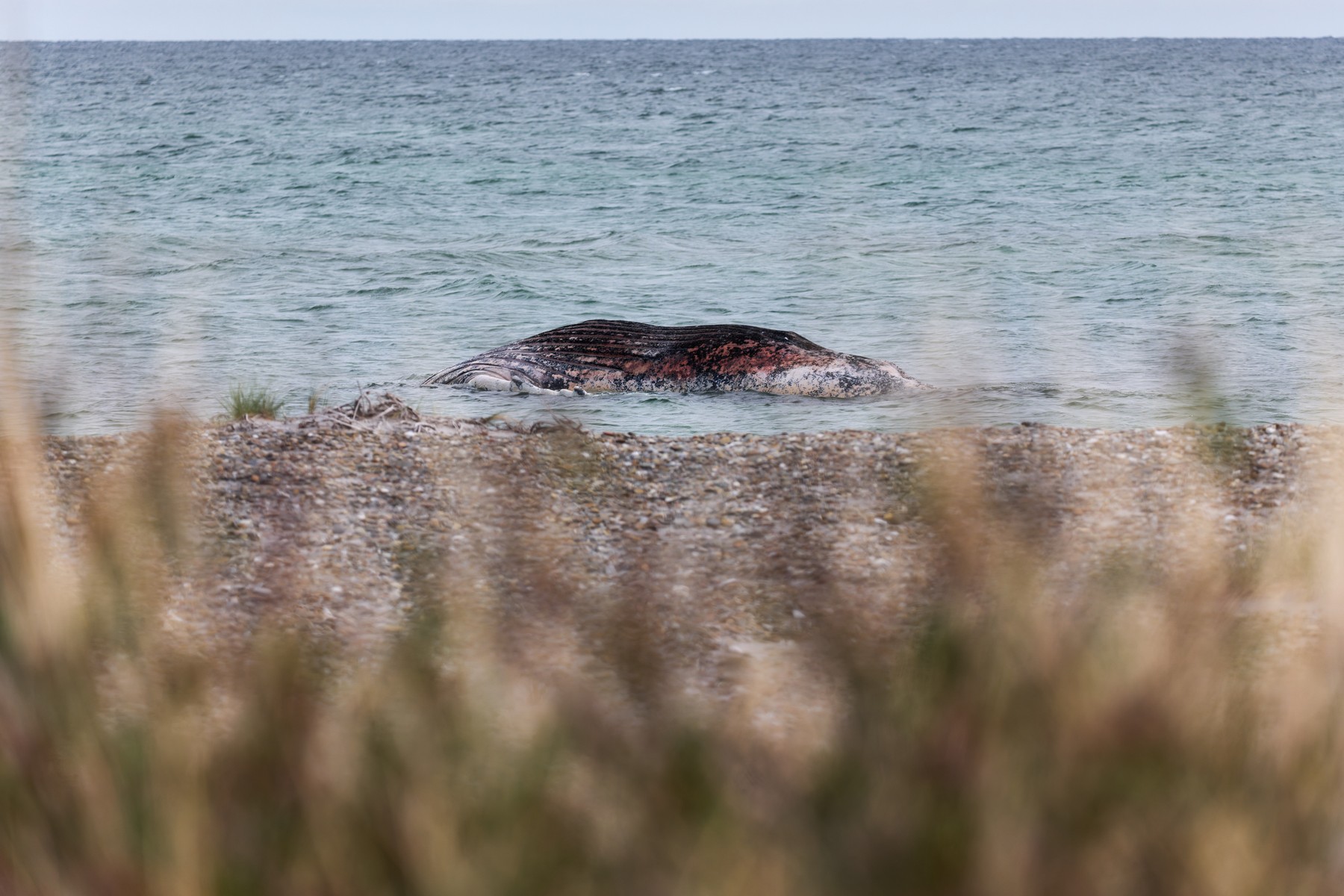
German authorities have defended their decision to allow a risky operation to save stranded whale Timmy to continue, even though experts had warned that the intervention was “not recommended” because the animal was injured and had little chance of survival, notes The Guardian.
The story of the whale, known as Timmy, captured the public's attention in Germany after the humpback whale was found stranded on Timmendorfer Beach, a sandy island in shallow waters close to the coast, nearly two months ago.
Danish authorities confirmed the whale's death on Saturday, two weeks after it was taken to the North Sea in a rescue attempt.
Authorities asked people to stay away from the animal's carcass due to the risk of it carrying disease. However, on Sunday, Bild reported that two people allegedly took selfies next to the whale's carcass.
Till Backhaus, the environment minister of the German state of Mecklenburg-Lower Pomerania and a member of the Social Democratic Party (SPD), argued that the decision to allow the privately funded mission to continue was the right one, saying that “it is perfectly human to take even the smallest chance.”
According to his statements, quoted by Bild, “it was always a matter of weighing which option was worse: waiting for the animal's certain and agonizing death or giving it one last chance, even if it meant putting it under additional stress.”
The German authorities had initially abandoned the idea of saving the whale, considering that the animal could no longer be released from the area where it had been stuck. But, after strong reactions in the public space, two millionaires announced that they are willing to pay “whatever it costs” to save the mammal.
The rescue operation – estimated at around 1.5 million euros – involved detaching the whale from the sandbanks and transporting it in a barge filled with water. The vessel was towed from Wismar Bay, near the German city of Lübeck, to deeper waters off the coast of Denmark.
The mission was criticized by the International Whaling Commission, which classified the intervention as “not recommended”, reasoning that the male specimen, still young, appeared “severely damaged” and had very little chance of survival after release.
And experts at the Oceanographic Museum in Stralsund, on Germany's Baltic coast, recommended that the whale be left to die in peace.