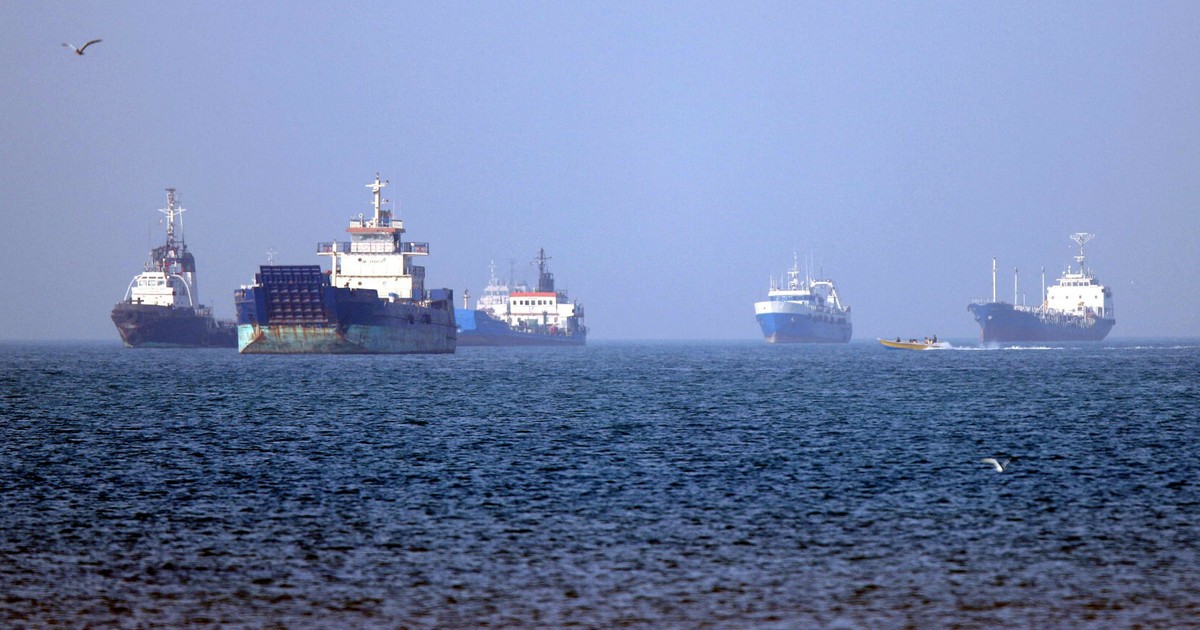
As CNN notes, the war revealed serious weaknesses in the energy supply system, especially in the context of dependence on the Strait of Hormuz. This chokepoint, through which one fifth of the world's oil flows, has become a flashpoint for conflict, forcing countries and companies to look for alternative solutions.
Read also: Five trends that the war with Iran will leave us with. Poland is in an extremely uncomfortable situation [ANALIZA]
Construction of new pipelines and diversification of supplies
Experts quoted by the American portal indicate that One of the most likely scenarios is the construction of new pipelines in the Middle East that would bypass the Strait of Hormuz. Jay Hatfield from Infrastructure Capital Advisors emphasized that countries will develop transmission infrastructure to avoid similar crises in the future. “No one else will bet their entire future on the Strait of Hormuz. That's a huge benefit.” – he assessed.
This type of investment can increase energy security and reduce the costs of transporting raw materials. High fees for insuring shipments through disputed waters have so far been a significant burden on the global economy.
Read also: “Poland is to be the gateway to Europe.” This is why Foxconn will create an electric car in Jaworzno [ANALIZA]
Accelerating the energy transformation
The conflict in Iran, as CNN notes, it also accelerated the global transition to renewable energy sources. The oil price shock has motivated many countries, especially in Asia and Europe, to increase investment in solar technologies and electric vehicles. According to think tank Ember, China's exports of renewable energy technologies reached record levels in March.
Ross Mayfield, investment strategist at Baird, noted that it often takes a shock to realize the need for change. “Without this war, this may never have happened“- he emphasized.
The breakup of OPEC and changes on the oil market
The war also affected the position of the Organization of the Petroleum Exporting Countries (OPEC). The United Arab Emirates, the cartel's second-largest oil producer, announced its exit from the organization, which weakened its ability to control global oil prices.
Rob Thummel from Tortoise Capital assessed that diversifying supplies towards more reliable partners, such as the United States, could improve global energy security and stabilize prices in the long term.
Risk and uncertainty
Despite optimistic scenarios, experts warn against potential threats. Heather Long of Navy Federal Credit Union noted that Iran, even weakened, may threaten other energy routes in the future.
Additionally, although an OPEC breakup may lower oil prices, the lack of a common platform for action in the event of further energy crises may be problematic. Joe Brusuelas, RSM's chief economist in the US, emphasized that some economic changes are visible only after decades, which makes it difficult to assess their long-term impact.