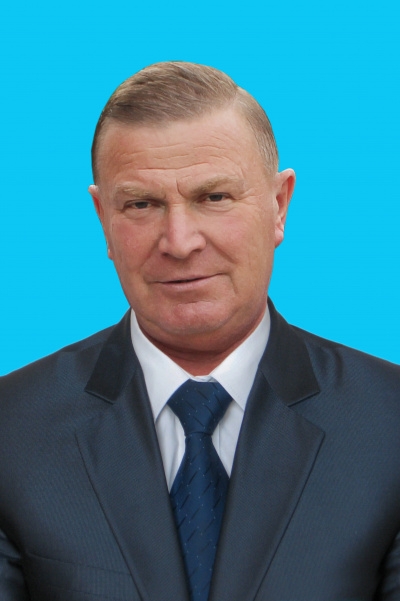
Kokhman Yakov Alexandrovich
Photo: EAOMedia news agency archive
May 12, 1952
On this day, Kokhman Yakov Aleksandrovich was born in Birobidzhan, a housing and communal services worker, an Honorary Citizen of the city of Birobidzhan.
Yakov Aleksandrovich studied at secondary school No. 2, after which he graduated from the Khabarovsk Construction College and Pacific State University.
From 1982 and almost until his sudden death on January 16, 2016, his life was connected with the housing and communal services of Birobidzhan. He worked in various positions in a repair and construction trust, a special plumbing section, and in city heating networks, where he became chief engineer in 1998, and director in 2008.
Kokhman Yakov Alexandrovich. Photo: Photo: EAOMedia news agency archive
Under the leadership of Yakov Aleksandrovich, four Central Heating Points were put into operation and operating, 5 thousand meters of new pipelines were laid, most of the heating networks and hot water supply networks were repaired and reconstructed. Yakov Aleksandrovich was at the origins of city competitions of professional skills (12+) for plumbing workers.
No matter where he worked, he was always distinguished by high professionalism and dedication, demandingness, first of all, to himself and to his subordinates, he was not afraid to make difficult management decisions.
For his great contribution to the development of the industry, Yakov Kokhman was awarded numerous regional and federal awards, including the title “Honorary Worker of the Housing and Communal Services of Russia”, awarded the honorary badge of the EAO “Honor and Respect”, and the EAO Certificate of Merit.
On May 28, 2016, by the decision of the City Duma, the former director of the Municipal Unitary Enterprise “City Heating Networks” Yakov Aleksandrovich Kokhman was awarded the title “Honorary Citizen of the City of Birobidzhan” (posthumously).
May 12, 1952
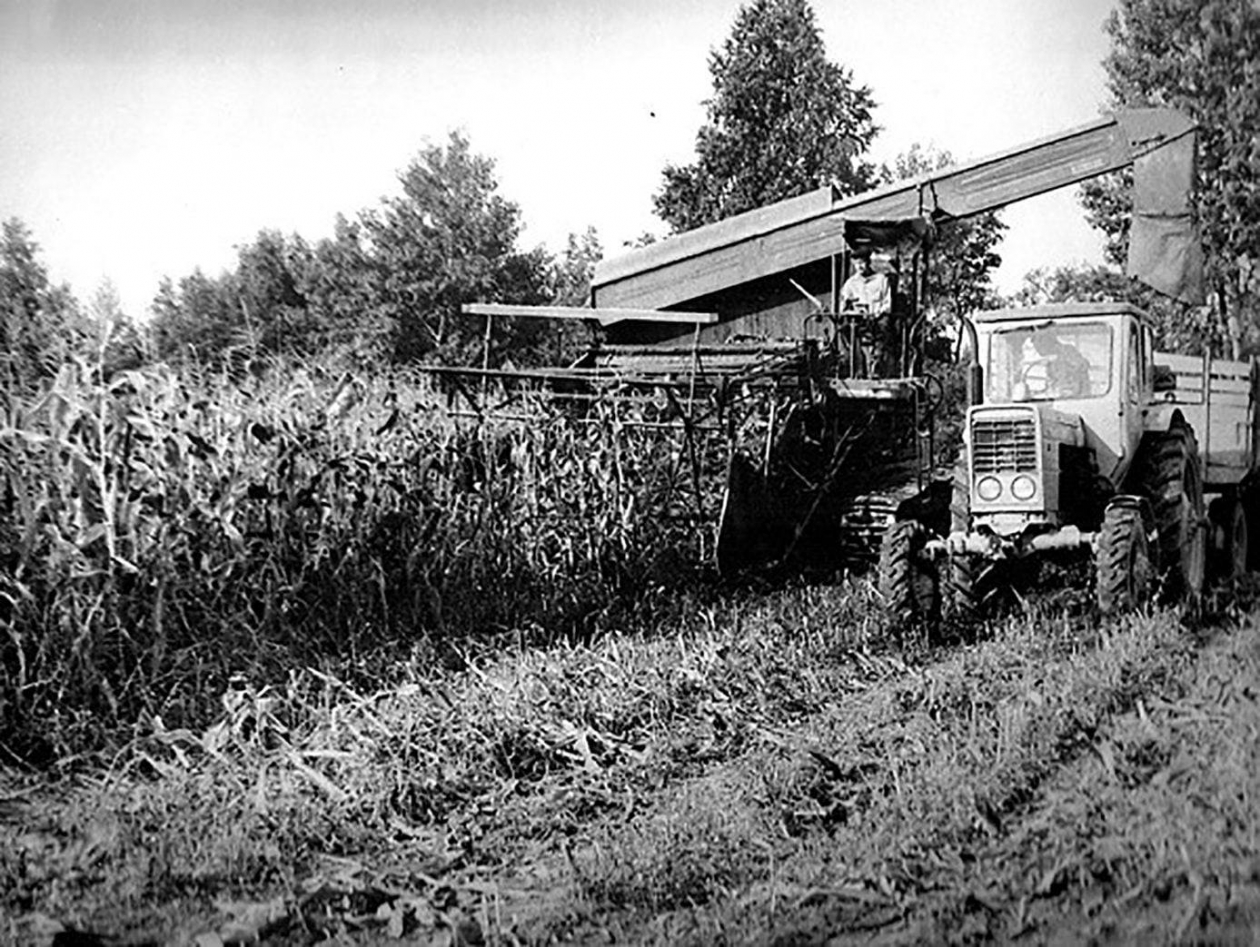
Birobidzhansky district of the Jewish Autonomous Okrug. Photo: Photo: State Archive of the Jewish Autonomous Region
The results of the economic and financial activities of the regional collective farms in 1951 were discussed at a meeting of the bureau of the regional committee of the All-Union Communist Party of Bolsheviks and the executive committee of the regional Council of Working People's Deputies. The resolution noted that in 1951, further growth of the public economy of collective farms and their organizational strengthening continued.
The area sown with agricultural crops increased by 12.2%, including potatoes by 31% and vegetables by 30%. In most collective farms the number of public livestock and poultry has increased. Compared to 1950, fixed assets of production increased by 7.1% percent, cash income by 55%.
The distribution of money, bread and other products to collective farmers for workdays has increased. The resolution also noted shortcomings and identified measures to eliminate them.
May 12, 1955
The Bureau of the Regional Committee of the CPSU approved the initiative of the Khinganolovo plant staff to assist the school in preparing for the new school year. The staff of the Khinganolovo plant undertook to install additional equipment in training workshops, purchase the necessary soft and hard equipment, educational equipment, fiction, organize a pioneer camp for 250-350 children, and provide apartments for all newly arriving teachers.
May 12, 2006
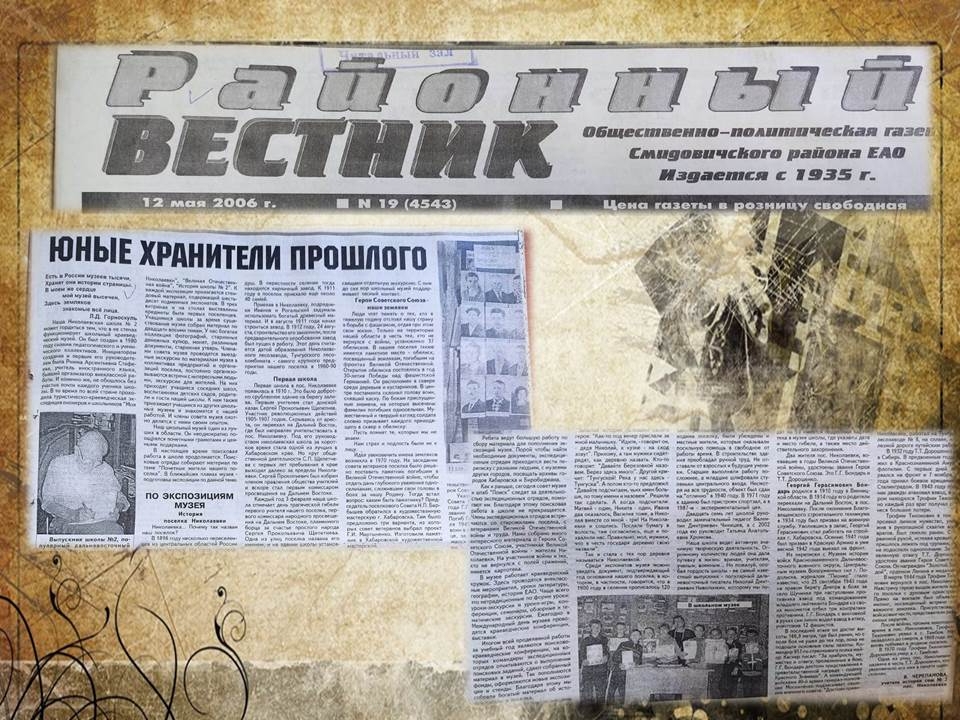
Clippings from the newspaper “District Bulletin”. Photo: Photo: Regional Library
In the newspaper of the Smidovichi district “District Bulletin” (12+) for May 12, 2006, in the article by the history teacher of secondary school No. 2 V. Cherepanova “Young Keepers of the Past” it is said that a school local history museum has been operating within the walls of the school since 1980.
The initiator of the creation and its first leader was Rimma Arsentievna Stafeeva, a foreign language teacher. Lidia Ivanovna Chikisheva devoted a lot of effort to this work, during which the museum was moved to another room.
There is a “Search” team working at the museum, which is doing a lot of work to replenish the museum with various exhibits. The museum has a local history club, extracurricular activities, lessons in literature, geography, and history of the Jewish Autonomous Region are held here. Most often these are non-traditional lessons: excursion lessons and game lessons, conferences, seminars, sightseeing and thematic excursions.
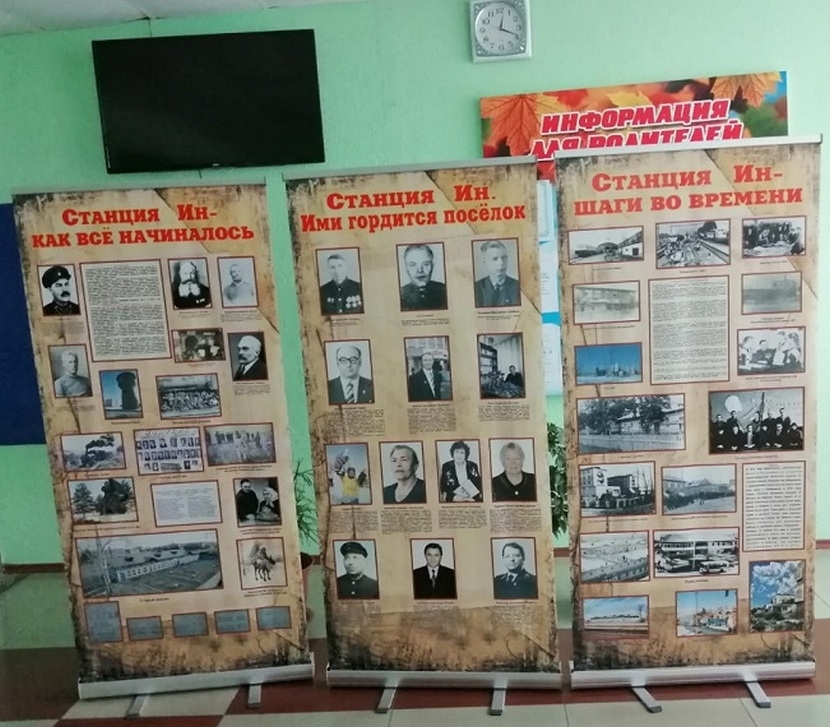
Mobile exhibition in the museum. Photo: Photo: Website Smid.rf
The museum houses three exhibitions: “History of the village of Nikolaevka”, “The Great Patriotic War”, “History of School No. 2”. Each exhibition is accompanied by poster material. Members of the museum council conduct field trips based on the museum’s materials to groups of enterprises and organizations in the village, and constantly organize meetings with interesting people and excursions for residents.
The Museum of School No. 2 in the village of Nikolaevka is one of the best school museums in the region. He was repeatedly rewarded with certificates of honor and valuable gifts.