Germany's armored fist. This is how they are getting ready

According to Bloomberg, Berlin will allocate EUR 1 billion 350 million (approx. PLN 5 billion 800 million) to modernize the largest European port on the North Sea, located in Bremerhaven and specializing in car transport.
The funds will be used to strengthen loading docks to transport military equipment – including 60-ton Leopard tanks – to future front lines.
This project is part of Germany's extensive preparations for a potential war.
According to the source, in the event of a possible Russian attack on Europe, Germany would play an absolutely key role as the main logistics hub for NATO allied forces. This is primarily due to their central location on the map of the continent, which naturally predisposes them to the function of a transport “hub” – the most important road, rail and river routes run through the territory of Germany, enabling the efficient movement of troops, equipment and supplies to almost every direction in Europe.
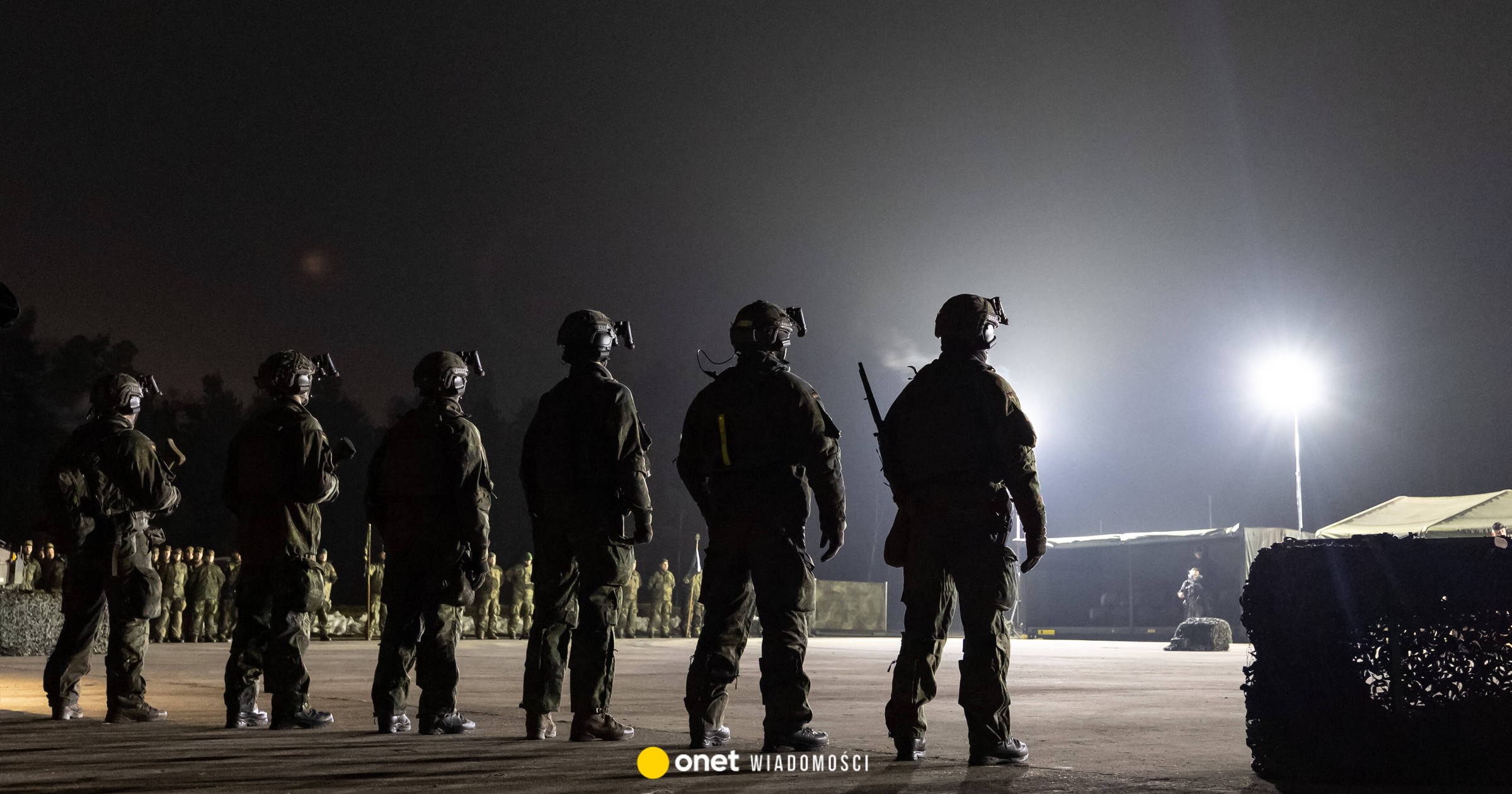
Bundeswehr exercises in LithuaniaFREDRIK VON ERICHSEN / BILD
In practice, this means that Germany could play the role of a strategic base – a place of concentration, transshipment and further distribution of forces and resources necessary to conduct military operations on NATO's eastern flank.
Berlin's armored fist in Lithuania
In parallel, Germany began forming an armored brigade in Lithuania.
Berlin intends to achieve its full deployment “at all costs” by the end of 2027. The headquarters of this unit already operates in Vilnius.
According to reports, practically everything “that is not permanently attached to the Bundeswehr” is sent to the newly created 45th armored brigade.
Its commander, General Christoph Huber, announced that the unit would “defend every inch” of the eastern flank as part of its obligations to NATO.
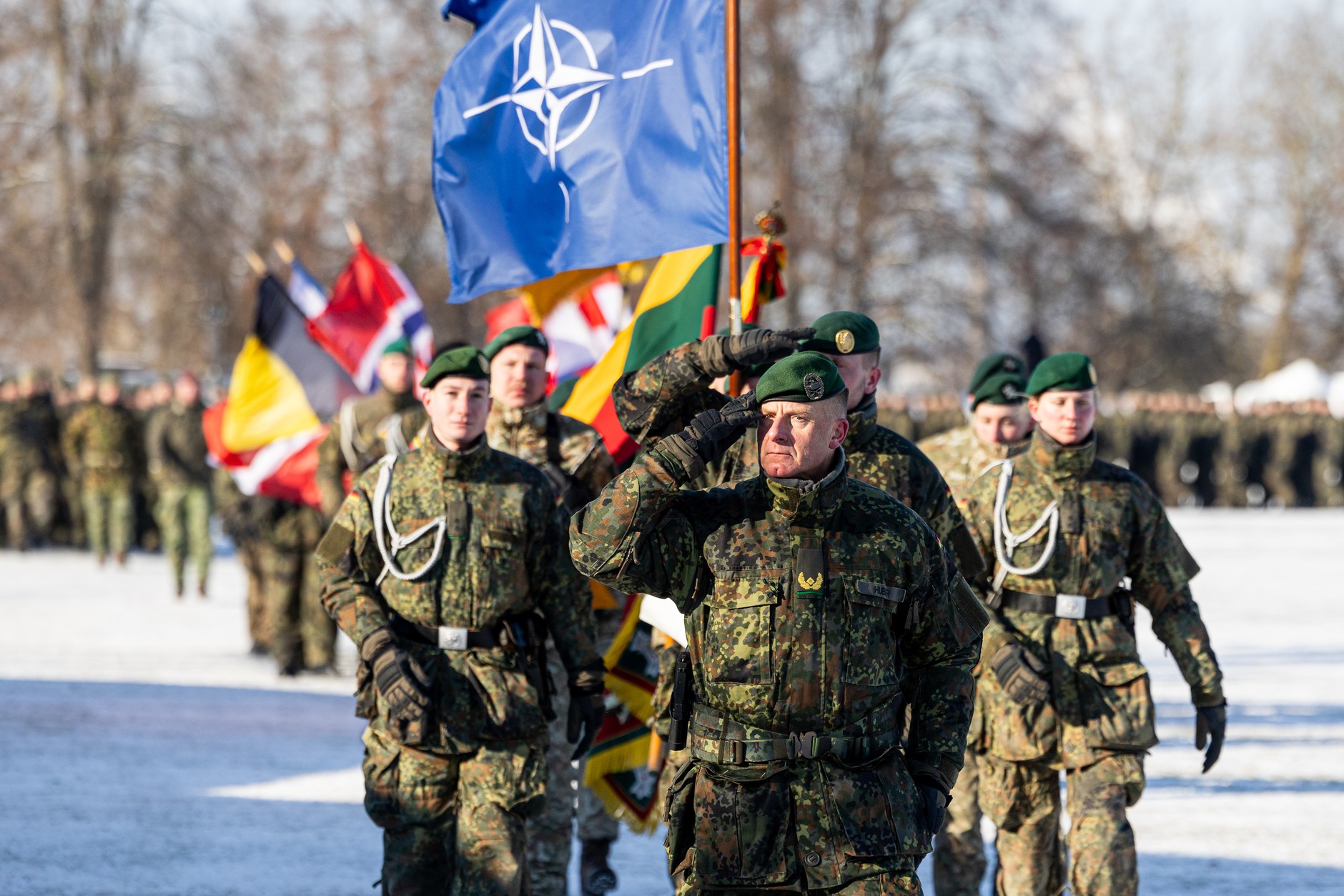
Brigadier General Christoph Huber participating in a ceremony marking the expansion of German military involvement in Lithuania, February 4, 2026.Paulius Peleckis / Stringer / Getty Images
Since 2017, a multinational battle group operating under German command has also been stationed in Lithuania, constituting an element of NATO's forward presence on the eastern flank. This unit brings together soldiers from several allied countries and plays both a deterrent and stabilizing role in the region.
In the wake of the war in Ukraine, its importance has clearly increased – military exercises are held there regularly, approximately every six months, and are becoming more and more intense. During the maneuvers, soldiers improve cooperation within allied forces, test combat readiness, and practice specific operational scenarios, including defensive actions and counterattacks in conditions of a potential conflict with Russia.
Particular emphasis is placed on quick reaction, coordination between different types of troops and the ability to operate in difficult field conditions and with limited time to make decisions.
At the same time, Lithuania is rapidly developing infrastructure intended for the deployment of German forces. A large military base, capable of housing several thousand soldiers, is being built in the area of the Rudninkai training ground, near the border with Belarus. It is assumed that a forward operational unit will be established there within approximately 20 months.
Europe with a new military leader?
On April 22, German Defense Minister Boris Pistorius presented the first defense strategy since World War II, which aims to increase the size of the German army to 460,000. soldiers and making it the strongest in Europe by 2039.
The document identifies Russia as the “main threat”.
Pistorius stressed that the Kremlin “is preparing for a military confrontation with NATO and sees the use of armed force as a legitimate tool to pursue its interests.”