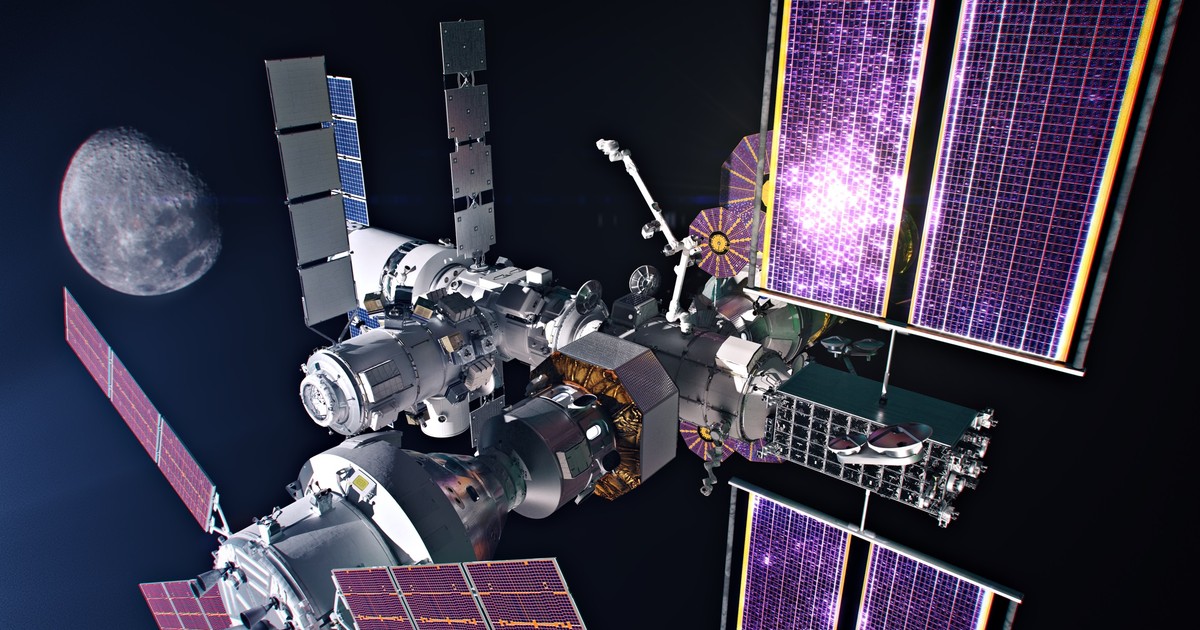
NASA has been promoting the idea of construction since 2017, for almost a decade permanent space station around the Moonknown as the Lunar Gateway. The facility was advertised as a platform for exploration of the lunar environment and testing technologies necessary for habitation in deep spaceas node in the moon landings or even as a transfer hub on the way to Mars.
Like many large space projects, the Lunar Gateway has encountered delays. The first element of the space station was originally scheduled for launch in 2022. It was later decided that this module, intended to provide power and propulsion, would be launched in parallel with the habitation section, known as Habitation and Logistics Outpost (HALO)in 2024. This core was to be joined by another pressurized housing module in 2026 International Habitat (I-HAB)provided by European partners – the French-Italian consortium Thales Alenia Space.
Lunar Gateway Station – modules
|
European Space Agency
Of course, these dates have already passed. Whereas at the end of March 2026 NASA Administrator Jared Isaacman announced that the Gateway project has been put on holdso that the agency can focus on a permanent base on the lunar surface.
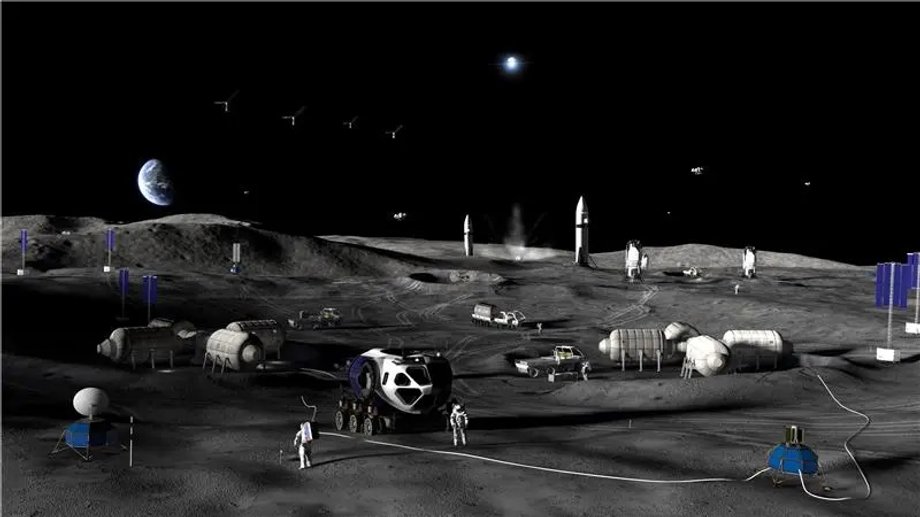
NASA – visualization of the lunar base that will be built in the next decade
|
Ars Technica
The decision to end the Gateway experiment seems justified – NASA and its partners have issued billions of dollars for a more difficult, two-stage access to the lunar surface, and they were faced with the prospect of observing Chinese astronauts wandering on the lunar surface from orbit — instead of being there in person.
However, this week we learned about another possibility the reason for the end of the Gateway project and it is quite shocking.
Reasons
This came to light during congressional testimony. While testifying before the U.S. House of Representatives Committee on Science, Space and Technology, Isaacman faced questions about NASA's budget.
As is customary with members of the House of Representatives, Suhas Subramanyam — a Democrat from Virginia — asked about local issues. His district includes major operations of Northrop Grumman, the prime contractor for the HALO module. “You also canceled the order for a residential and logistics facility. Do you know what will happen to this large investment that has been completed?” Subramanyam asked.
Since the closure of Gateway, Northrop pushed NASA to reuse the HALO module on the lunar surface as part of a lunar base.
“I appreciate the input and look forward to working with them on the potential reuse of equipment for surface applications,” Isaacman replied. But he didn't stop there. Continuing, he publicly confirmed the rumors (revealed last month by Ars Technika) that Corrosion is occurring in both the HALO and I-HAB modules of the Gateway mission. “The only two housing units that were delivered – both were corroded” Isaacman said. “It's unfortunate because this would delay, possibly beyond 2030, the implementation of Gateway“.
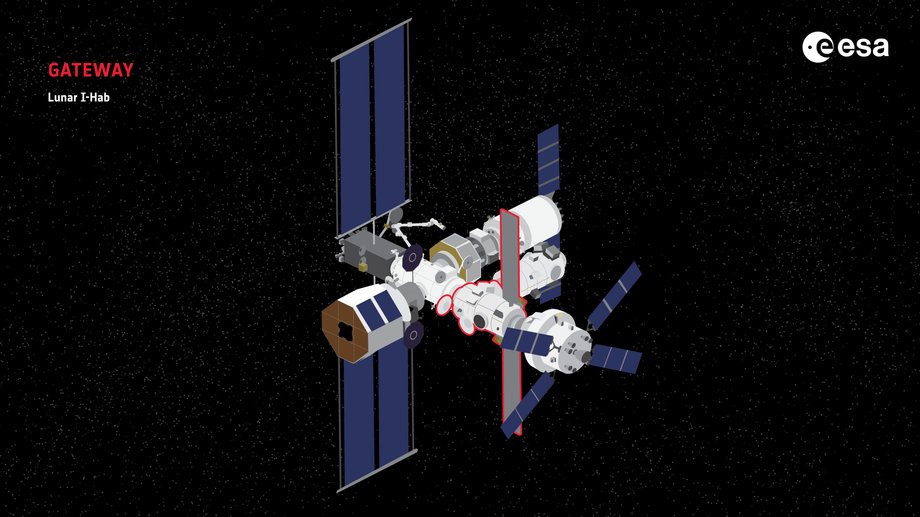
Lunar Gateway – I-HAB
|
ESA.INT
How is that possible both the HALO module from Northrop Grummana huge American defense equipment supplier, as well as the I-HAB module from Thales Alenia Spacea French-Italian consortium in the space and defense industry, both corroded? This seems absurd. However, multiple sources who worked on or around the Lunar Gateway program confirmed that Isaacman was mentioning it the corrosion was real and severe.
In a statement, Northrop also acknowledged the issue. “Using NASA-approved processes, Northrop Grumman is completing the repair of HALO following manufacturing defects. We expect to complete repairs by the end of the third quarter. HALO is still reusable for any mission and is the most advanced technology supporting deep space or lunar habitats” – said the company spokesman.
Searching for the guilty
By referring to “manufacturing irregularities,” Northrop answered a key mystery: how corrosion could have occurred in both modules. This is because the main HALO structure for Northrop Grumman… was also built by Thales Alenia Space. The module from Italy to the United States was delivered in early April 2025.
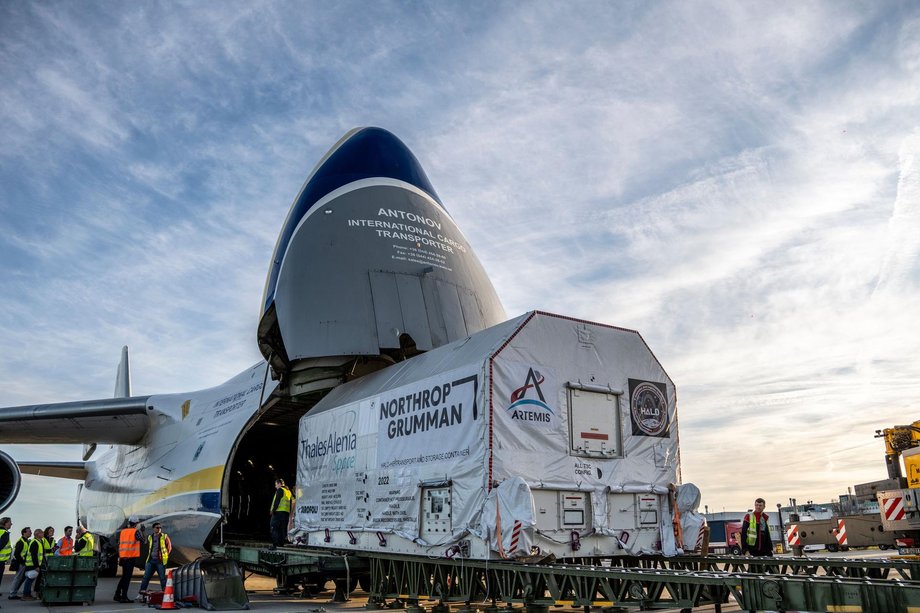
The HALO module left Italy for Arizona, where it underwent final equipment at Northrop Grumman's facility in Gilbert. The main structure of the module was made by Thales Alenia Space in Turin
|
Thales Alenia Space
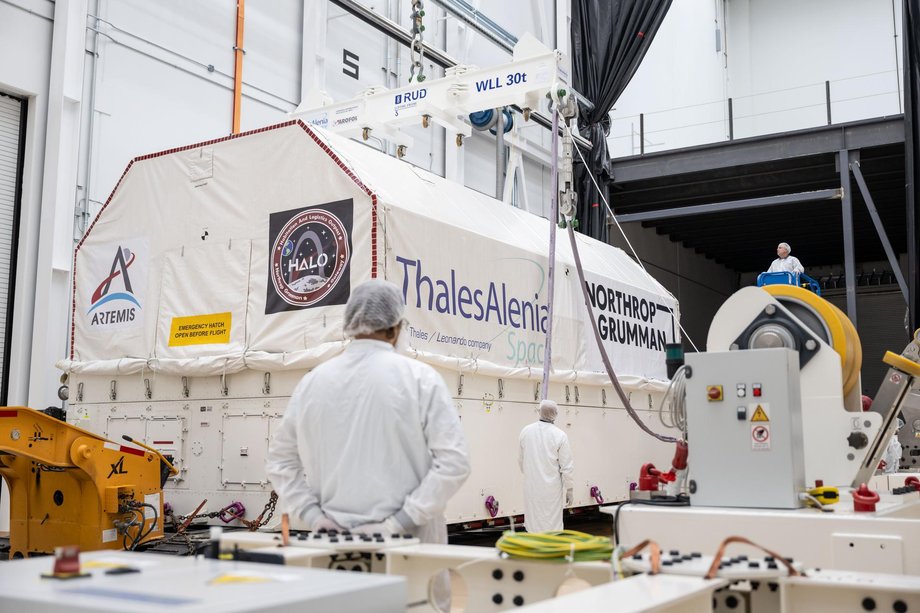
After traveling from Italy, HALO arrived in Arizona and was transported to the Northrop Grumman facility in Gilbert for final equipment
|
NASA/Josh Valcarcel
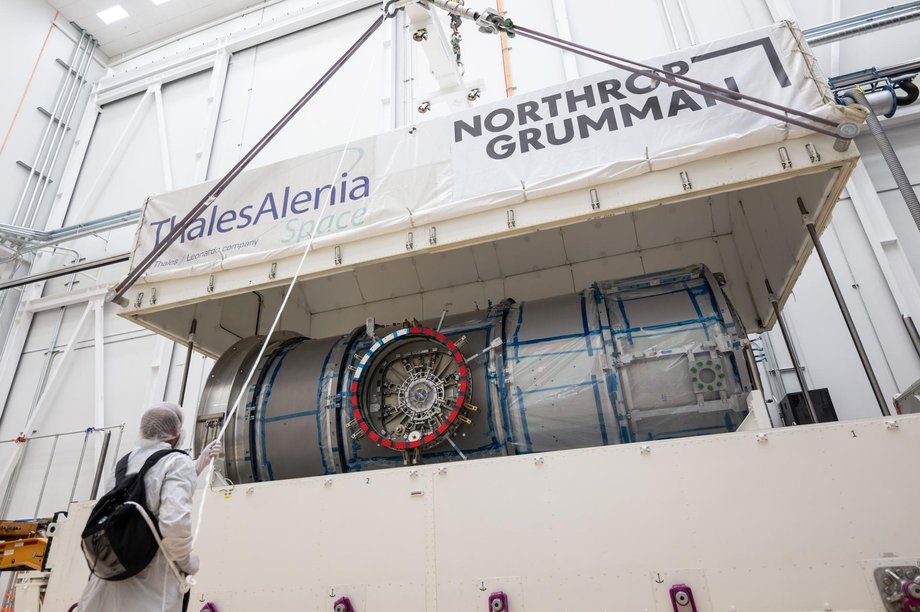
After traveling from Italy, HALO arrived in Arizona and was transported to the Northrop Grumman facility in Gilbert for final equipment
|
NASA/Josh Valcarcel
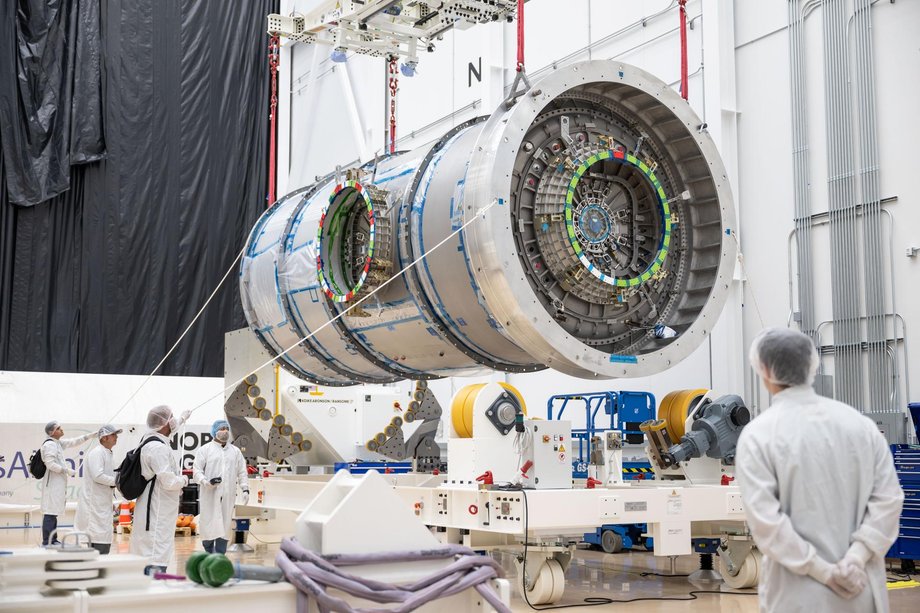
The HALO module arrived in Arizona after traveling from Italy, where Thales Alenia Space manufactured its main structure. HALO was transported to the Northrop Grumman facility in Gilbert for final equipment
|
NASA/Josh Valcarcel
Thales is the powerhouse of the European space industry. He built several pressurized modules for the International Space Station (ISS). In addition to the HALO module for Northrop Grumman, it also built a significant part of the Lunar Gateway, including not only the mentioned I-HAB module (also affected by corrosion)…
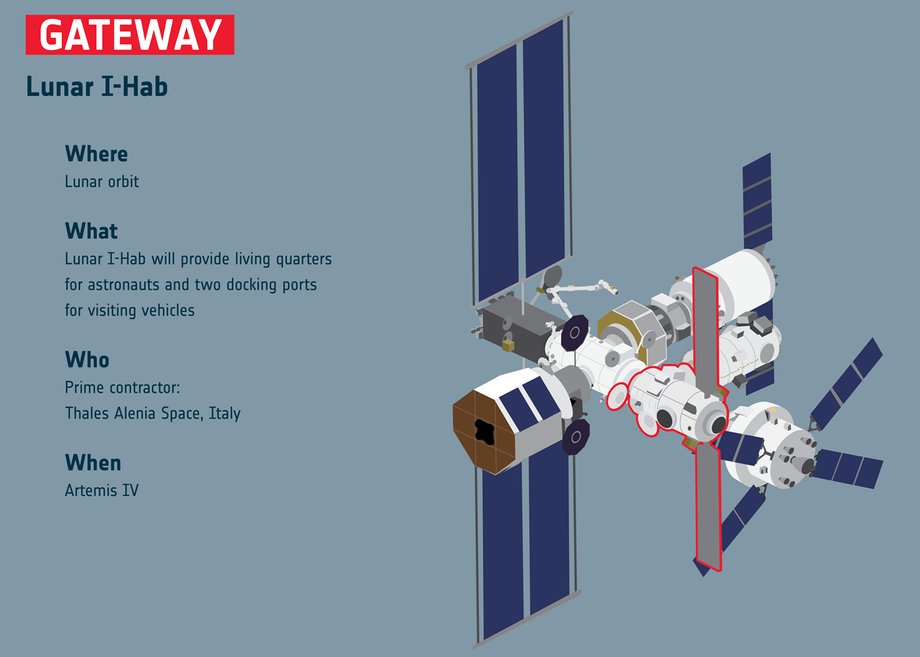
Lunar Gateway – I-HAB
|
ESA.INT
but also future dual refueling (Lunar View) and communication (Lunar Link) modulepreviously known as ESPRIT (European System Providing Refueling Infrastructure and Telecommunications).
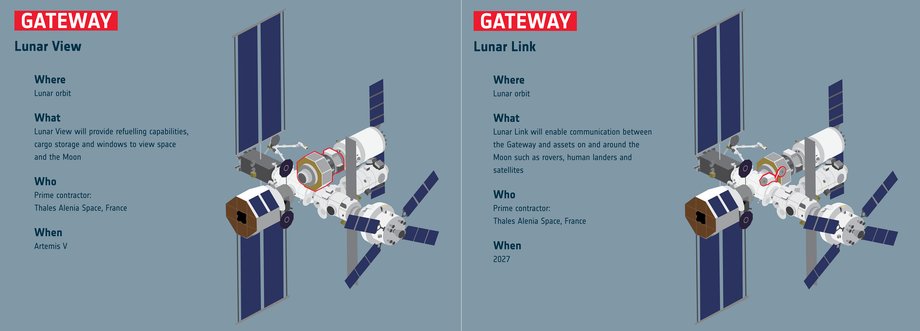
Lunar Gateway – View and Link
|
ESA.INT
The company too cooperates with Axiom Space to build a commercial space station.
After Ars Technica published the article, as well Axiom Space confirmed that there were corrosion issues. In a statement, the company wrote: “Axiom Space experienced a similar phenomenon with the first module; we are leveraging the knowledge and experience of NASA and Thales Alenia Space to resolve this issue. Module 1 is scheduled to launch in 2028.”
Thales is silent, but ESA comments
For an article describing these problems, Ars Technica contacted Thales a week ago, on Wednesday evening, asking for comment on the corrosion problems. He received a response only on Friday morning, April 24, 2026, but the spokesman only wrote: “We are working on a statement. We will contact you early next week.” However, this did not happen.
The European Space Agency (ESA), which oversaw the European contribution to Gateway, commented on the matter on April 24, 2026. ESA attributed the problem to a “combination of factors”, including materials.
“Following the identification of corrosion on HALO, a comprehensive investigation was immediately initiated. Initial findings indicate that the problem likely results from a combination of factors, including aspects of the forging process, surface treatment and material properties,” the spokesman said.
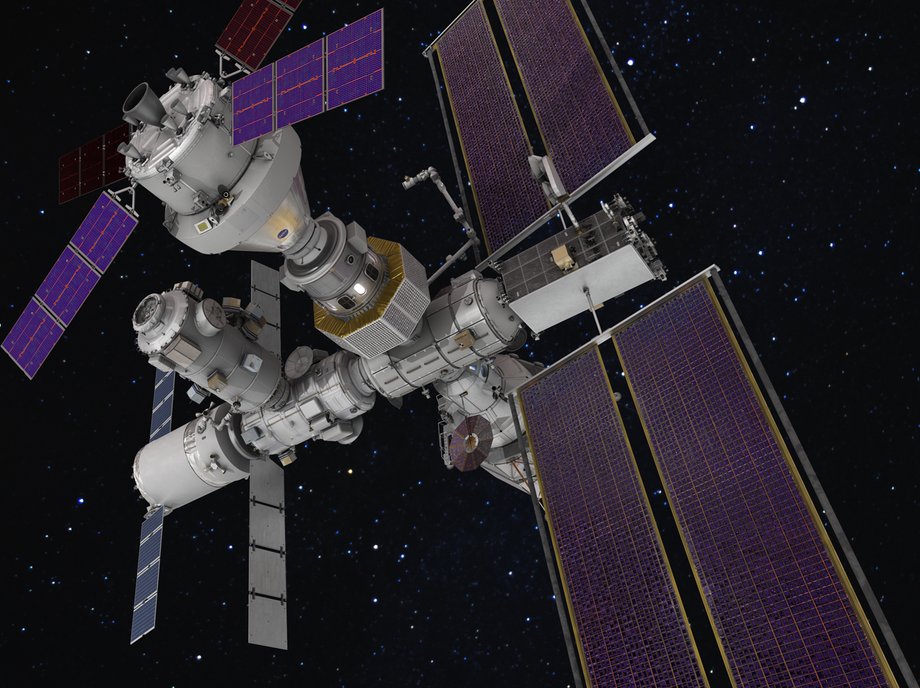
Lunar Gateway – HALO
|
nasa.gov
After detecting the problem, ESA established a “Tiger team” to investigate the matter. “Based on the investigation and available data, it has been concluded that the corrosion problem is technically manageable and does not constitute an obstacle for I-HAB, which was in better condition than HALO in terms of corrosion” – said the spokesman.
The I-HAB module is still under construction and has not yet been delivered to NASA. Its fate remains unclear because of European space officials are considering their participation in the initiative to build a lunar base.