
Beer brand logos are to be banned during matches. Sponsorship is about to undergo a revolution

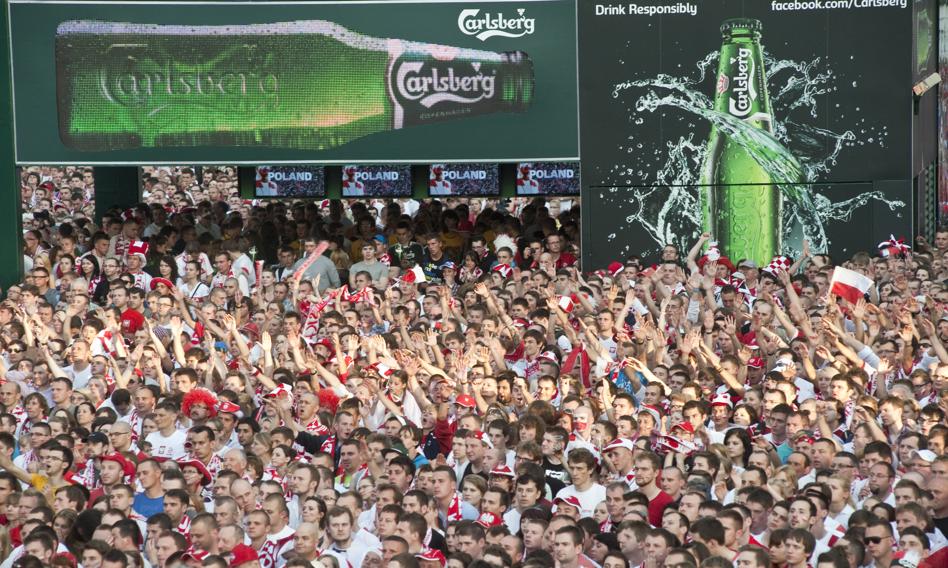
The project of a total ban on alcohol advertising may change the model of sports financing in Poland. Commercial revenues, including sponsorship, are among the three main pillars of club maintenance – alongside media rights and match day revenues. MPs from various sides of the political scene believe that the new regulations may affect smaller clubs and local governments that rely on local partners, including those from the brewing industry, to a greater extent than large players.
– The Act, if it comes into force in the form in which it is being processed, will certainly have an impact on the condition of sports clubs. For many years I ran a sports club that was financed by breweries. Alcohol is allowed all over the world, of course you have to do everything wisely. I don't know why in Poland we are still in the sphere of absurdity, orders, prohibitions and restrictions. I travel around the world, I visit various stadiums, not only for football, but also for speedways and other events where alcohol is available on normal, healthy terms – says Robert Dowhan from the Civic Coalition Parliamentary Club to the Newseria agency.
The financing model for European football is largely based on commercial revenues. According to UEFA's report “The European Club Footballing Landscape”, in addition to media rights and match day revenues, sponsorship and commercial activities constitute one of the three main pillars of clubs' revenues. This category includes sponsorship agreements with companies from various economic sectors. According to UEFA data, the total revenues of football clubs in Europe exceed EUR 30 billion annually.
The effectiveness of sponsorship in sports is confirmed by Nielsen's research (“Global Sports Report 2025”). They show that over two-thirds (67%) of global football fans find brands sponsoring the sport more attractive. In the entire population, this percentage is 54%.
At an international level, rules regarding alcohol advertising in sports vary from country to country. The largest sports organizations, such as UEFA or FIFA, conclude sponsorship agreements on an international scale. As a result, advertisements present at major sporting events are also visible in markets with more restrictive regulations.
– High-level sports, such as the Champions League in football, eagerly use sponsorship money obtained from breweries. It doesn't bother me at all. Thanks to this, we also watch sports broadcasts on television where we see advertisements. We cannot be an island, we are in the world of the Internet today. We must not build a law that will contradict what surrounds us, says Marek Wesoły, an MP from Law and Justice.
In Poland, alcohol advertising is limited by the provisions of the Act on Upbringing in Sobriety and Counteracting Alcoholism. Only beer advertising is allowed, provided that strict rules are met, including: prohibition of directing the message to minors and linking it with success. Proposals for changes prepared by parliamentary groups, including the New Left and Poland 2050, assume the introduction of a broad definition of alcohol advertising, including, among others: public display of trademarks, names and symbols of manufacturers, and its prohibition. As representatives of sports clubs emphasized during last week's conference held in the Sejm, this would mean limiting the presence of sponsor logos on T-shirts and advertising banners or sales during sports events. The project does not provide for any exceptions for sponsorship, which raises concerns among some in the sports community.
– Of course, I am in favor of leading a healthy lifestyle, but I would be more focused on educating, talking and showing. I think it will work. Alcohol consumption in Poland and Europe is falling, there is no need for any bans or restrictions. Sometimes we reduce simple things to absurdity and I hope that this bill will not pass in this form – emphasizes Robert Dowhan.
In his opinion, limiting the possibilities of promotion may have a stronger impact on smaller entities that base their marketing activities to a greater extent on local activity than in the case of large corporations present on many markets at the same time. Data from The Brewers of Europe show that there are over 10,000 breweries operating in the European Union. breweries, the vast majority of which are small and medium-sized, often local enterprises linked to local markets and communities. They often engage in cultural and sports events that serve to build brand recognition and relationships with consumers.
– The impact of this act will be such that it will affect both large and small companies, but the small one has limited room for maneuver, limited sales channels and production possibilities. The big one will do well, if not on the Polish market, then on the foreign market, because it is part of a corporation – says the KO MP.
The importance of commercial revenues in sports translates directly into the ability of clubs to operate – both at the professional and local levels. For many entities, sponsorship agreements constitute a stable source of financing for current operations, infrastructure investments and youth training. In the case of smaller clubs that do not have significant revenues from media rights, the role of commercial partners is particularly important.
– Breweries are companies operating on the market to which sports clubs, but not only them, turn for sponsorship. Local governments of many cities also cooperate with breweries. The advertising ban in a way breaks this cooperation and does not allow promotion as part of our activities and communication with the public, which is why we believe that this advertising ban is too far-reaching and, above all, it will destroy what we have managed to develop over many years under the current law – says Marek Wesoły. – Alcohol consumption is decreasing, so I believe that today's legal provisions result in good solutions. There's no need to throw the baby out with the bath water.
The value of the sports sponsorship market in Poland is systematically growing. The Sponsoring Insight report “Sports sponsorship market 2025” shows that it reached PLN 1.46 billion in 2024, compared to PLN 836.6 million a decade earlier. The energy and fuel industries dominate in the expenditure structure (over 34 percent) and FMCG – responsible for approx. 7.6 percent. market – which also includes beer producers.


