Peter Magyar comes to Brussels to discuss with Ursula von der Leyen how Budapest can unlock frozen EU funds intended for Hungary.
Hungary's newly appointed prime minister will meet the European Commission president on Wednesday while his team tries to find one the fastest way to release billions of euros of EU fundsincluding EUR 10 billion (PLN 42 billion at the current exchange rate), which Budapest may lose permanently at the end of August if it does not carry out the necessary reforms.
This money is part of the EU funds for reconstruction after the COVID-19 pandemic that have been allocated to Hungary. However, the Commission froze them for a reason concerns about corruption, judicial independence and democratic standards. Under the rules of the EU's post-pandemic recovery fund, member state capitals must achieve the required targets by the end of August to qualify for funding. Otherwise, they will lose them permanently.
Magyar's approach has some political support in Brussels.
The EU “will have to give credit of trust this new government,” Manfred Weber, leader of von der Leyen's European People's Party, said on Tuesday. Magyar “will meet expectations, not because Europe demands it, but because Hungarian citizens demanded these changes.” “He also has a clear mandate,” Weber added.
Magyar, who will take office in early May, defeated Viktor Orban in the Hungarian parliamentary elections on April 12, ending the populist leader's 16-year dominance and opening a new chapter in Budapest's relations with the EU.
The meeting with von der Leyen on Wednesday will be a signal of goodwill toward Magyar, who intends to abandon Orban-era policies, according to an EU official familiar with the talks who, like several others in this article, asked not to be named. Magyar is also scheduled to meet European Council President Antonio Costa.
Race for money
Magyar's conservative party, Tisza, intends to submit to the Commission new national reconstruction plan by the end of May, according to a person familiar with the party's preparations. It is intended to replace a 2021 proposal from the Orban era, which did not provide funds.
The purpose of Wednesday's meeting with von der Leyen is to update Brussels on the work already underway, identify the most urgent goals once Magyar takes office and agree on the fastest way to disburse the funds, the source said.
Magyar wants to prioritize reforms and goals that can be achieved before the deadline, postponing slower constitutional changes on which Tisza has promised to consult with stakeholders and the public.
The article continues below the video
Magyar's team is also working with some of his predecessor's ministers and officials to accelerate the technical work needed to implement the reforms, three other diplomats said.
Andras Karman, Magyar's nominee for finance minister, Istvan Kapitany, designated economy minister, and Anita Orban, the future foreign minister, met on Saturday with a high-level Commission delegation, including von der Leyen's chief of staff, Bjoern Seibert, and set the stage for Magyar's meeting with the president. Previously, the teams met in Budapest on April 18 and 19.
Reset of relations with Brussels
The first step to unlocking funds for Hungary's reconstruction is fulfillment 27 milestones set by the EU. These include public procurement, judicial independence and academic freedom. With Tisza's party winning over two-thirds of the seats in parliament, it is expected that Magyar will be able to quickly get these changes approved.
It is more difficult to implement the more detailed reforms and projects necessary to apply for funds before their expiry date. If Hungary fails to recover the full amount, it can try to extend the deadline by transferring the money to its national promotional bank.
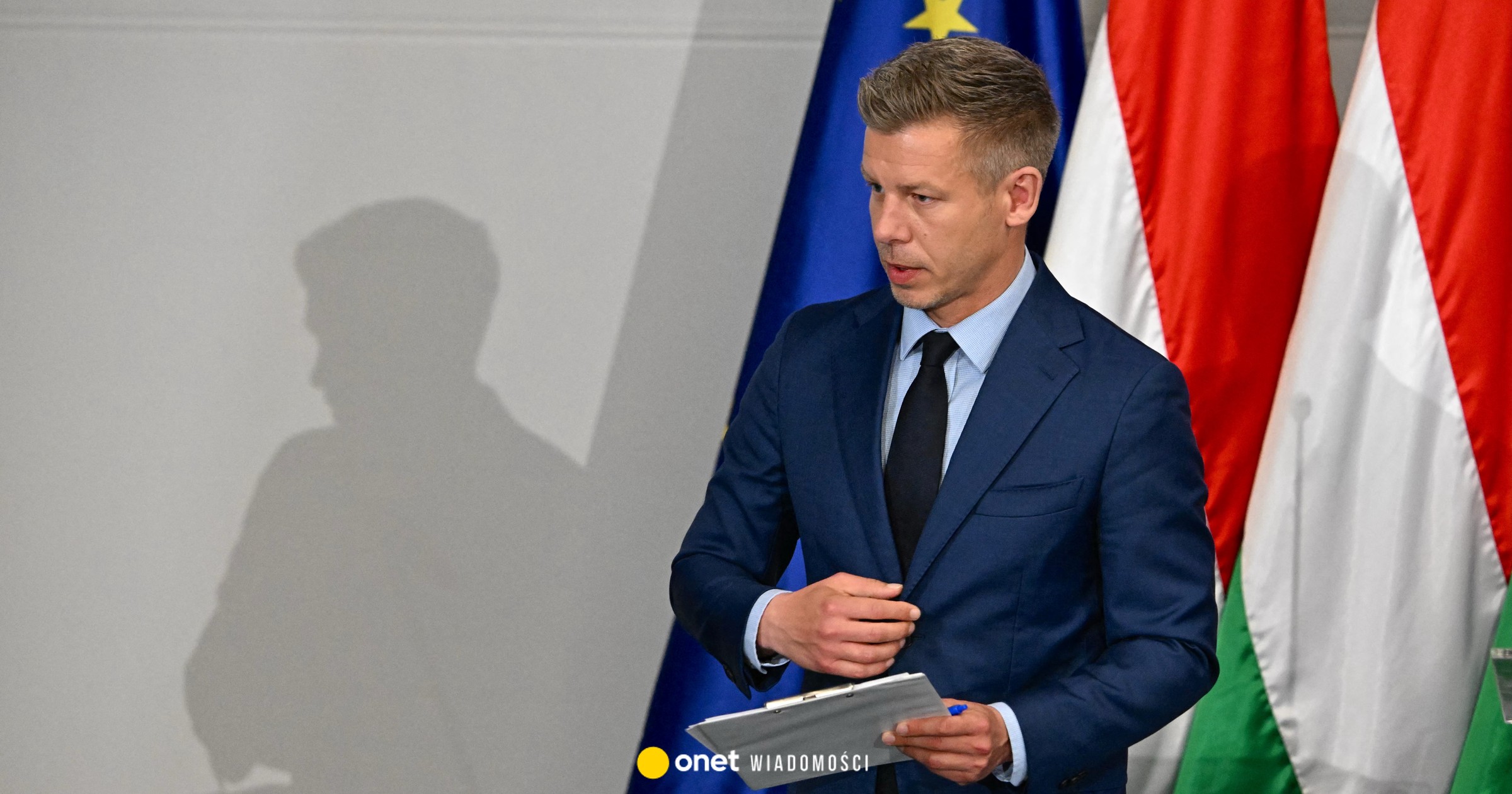
Peter Magyar, April 15, 2026Attila Kisbenedek / AFP
A separate solution under discussion would be to use post-COVID-19 funds to complete projects already funded by regional funds, according to two of the officials quoted above.
Magyar is also seeking a broader reset in relations with Brussels, including relief from daily fines imposed in the migration dispute, the Commission's approval of Hungary's request for billions in loans from the EU's SAFE program, and paving the way for Hungarian universities to rejoin the Erasmus program after they were excluded over academic freedom concerns.
The Polish case
The Commission's decision to grant Magyar an audience with von der Leyen before his swearing-in is unusual, but not without precedent. In October 2023, von der Leyen hosted Donald Tusk – 10 days after he won the elections in Poland, but before he formally became prime minister.
The circumstances are similar: both Tusk and Magyar arrived in Brussels promising a breakthrough in long-standing disputes over democratic backsliding. This time, however, the EU is more cautious. The commission released funds for Poland in 2024 after Tusk committed to reforms, but many of these changes have stalled. In February, an EU court lawyer warned that the funds could not be disbursed until all required reforms came into force, although judges have not yet backed that view.
Weber stated that the European Parliament should suspend the proceedings under Art. 7 against Hungary, initiated in 2018 due to democratic backsliding and which could – in theory – deprive Budapest of its voting rights in the European Council.
The EPP leader said it was time for Parliament to “reconsider this decision.” He added that Europe should “help” Hungary instead of criticizing it.
However, other groups oppose easing the pressure for now.
“It's not in their interest now to just give carte blanche,” says Terry Reintke, co-chair of the Green Group. – Super milestones still not implemented. This is not something that magically happens when Viktor Orban is no longer in power.
I’m Ashley Davis as an editor, I’m committed to upholding the highest standards of integrity and accuracy in every piece we publish. My work is driven by curiosity, a passion for truth, and a belief that journalism plays a crucial role in shaping public discourse. I strive to tell stories that not only inform but also inspire action and conversation.