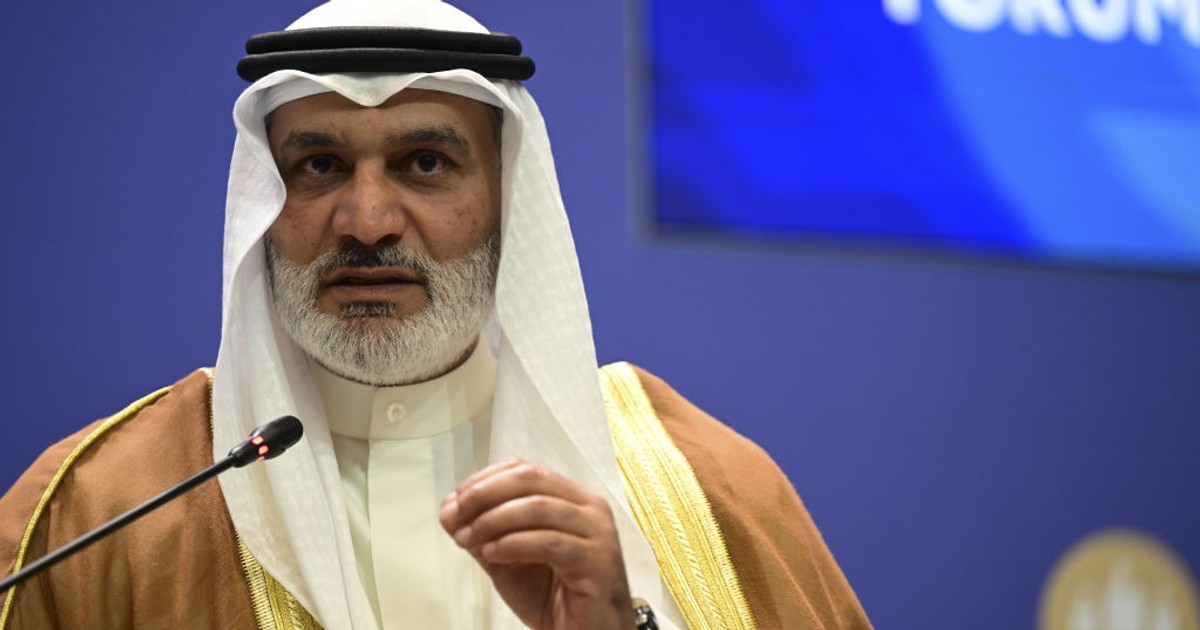
OPEC is a group of oil-exporting countries that coordinate production to control supply and set prices. In turn, OPEC+ is a broader coalition, including, among others: Russia.
Oil and energy ministers from OPEC member countries typically meet twice a year to determine OPEC production levels. If necessary, they also meet in extraordinary sessions.
See also: How expensive can crude oil be and who will decide? We explain
The UAE has demanded higher OPEC production limits because it has the capacity to extract much more oil than it currently does — notes CNN. The UAE announced that it would leave the cartel from May 1, which means it will be able to set production levels on its own.
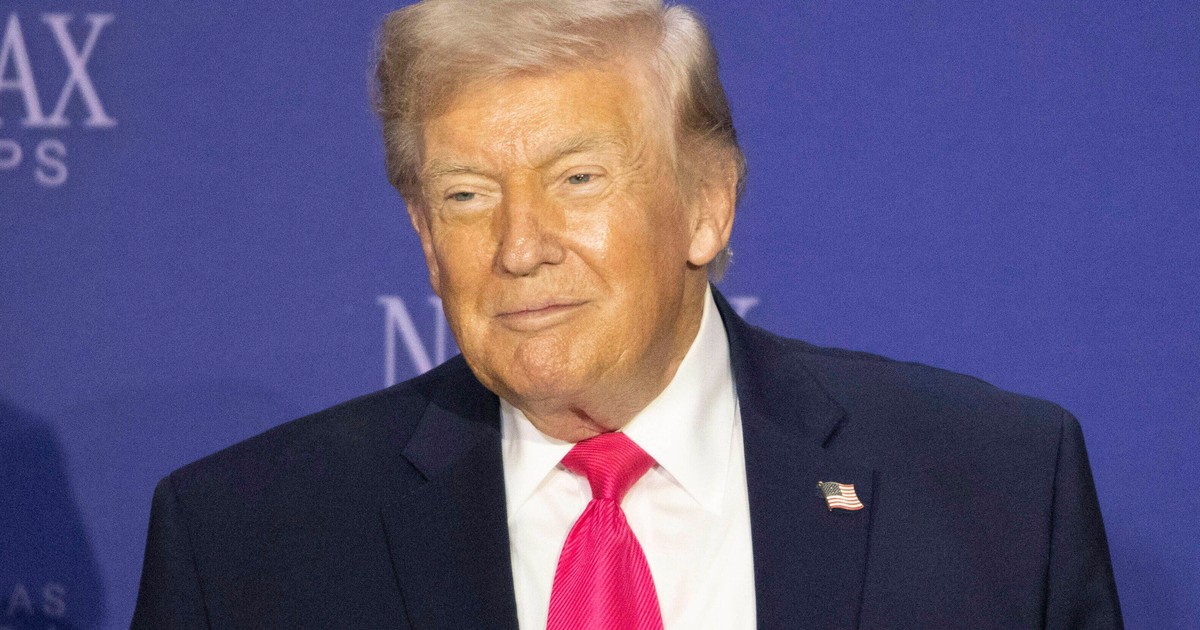
In the past, US President Donald Trump accused OPEC of maintaining “artificially high” oil prices by limiting the amount of raw material reaching the markets.
Oil price after the decision of the United Arab Emirates
The United Arab Emirates leaving OPEC could lead to a decline in prices as it could increase global supply.
However, on Tuesday, Brent crude oil futures prices hovered around $111. per barrel, maintaining growth for the seventh session in a row and reaching the highest level since the beginning of April, even after the UAE's unexpected exit from OPEC.
The move did not ease supply constraints, as any additional production would still be blocked by the closed Strait of Hormuz.
“It's the right timeas it will not significantly impact the market and price as the Strait of Hormuz is closed,” UAE Energy Minister Suhail Al Mazrouei told CNN.
The United Arab Emirates is leaving OPEC
The UAE's departure is a major blow to OPEC and its leading member, Saudi Arabia. The cartel is responsible for a total of 36%. world oil production and controls a total of almost 80%. world proven reserves.
The UAE is among the 10 largest oil producers in the world, accounting for approximately 3-4%. world oil production.
Last year, OPEC achieved oil sales worth $455 billion, according to data from the US Energy Information Administration (EIA). The UAE was responsible for $77 billion. of this amount – just under 17%.
Dark clouds over OPEC
The fact that OPEC is losing such a large producer could prompt other countries to follow suity. OPEC was already in crisis, and the disruptions in the region caused by the war (including numerous attacks on infrastructure by Iran, also an OPEC member) may be a catalyst for the breakup of the group, CNN estimates.
However, the UAE's exit from OPEC will not have an immediate impact due to the blockade of Hormuz. However, in the longer term, the UAE could realistically pump 1 million barrels more per day after leaving OPEC. This could prompt other countries to withdraw, says David Oxley, chief climate and commodities economist at Capital Economics, in an interview with CNN.
In turn, Robin Mills, president of Qamar Energy, a consulting company from Dubai, told CNN: “We may see Kazakhstan also leave (from OPEC+ – ed.). It is another major producer that wants to develop.”