
Putin is making changes at the top of the agency that deals with foreign influence and espionage operations

Russian President Vladimir Putin has decided to change the leadership of one of Moscow's most sensitive structures of external influence, at a time when its activity is increasingly being scrutinized at the international level.
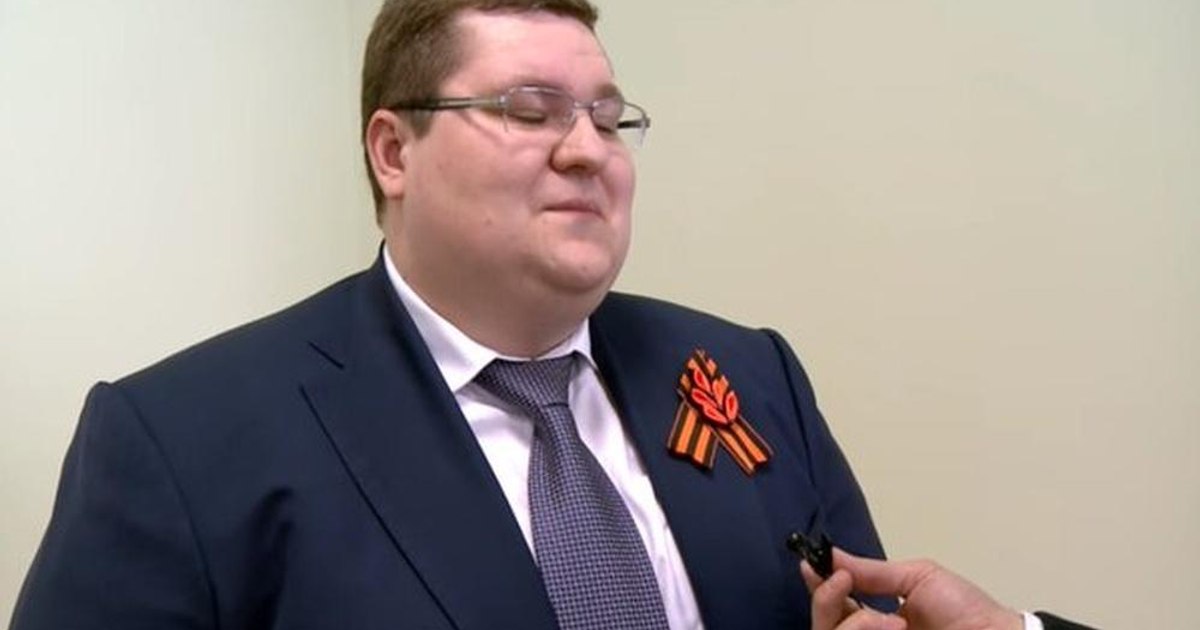
Igor Ceaika, son of the former Prosecutor General of the Russian Federation/FOTO:X
On Monday, the Kremlin leader fired Evgeni Primakov as head of Rossotrudnichestvo, the agency responsible for Russia's cultural diplomacy. Igor Ceaika, the son of the former Prosecutor General of the Russian Federation, was appointed in his place.
The institution, subordinate to the Russian Ministry of Foreign Affairs, is considered a key tool through which Moscow promotes its influence outside the borders, through the so-called “soft power”. The network he coordinates includes dozens of cultural centers known as “Houses of Russia”, but also programs dedicated to Russian-speaking communities and Kremlin sympathizers abroad.
Yevgeny Primakov, the nephew of the former Russian prime minister of the same name, has been leading the agency since June 2020. But his tenure has come at a time of rising tensions between Russia and the West, especially after the large-scale invasion of Ukraine.
After the massive expulsions of Russian diplomats in 2022, many of these cultural centers came under the scrutiny of Western authorities, suspected of actually functioning as platforms for influence operations or even intelligence activities.
At the same time, since the start of the war in Ukraine, the “Houses of Russia” have become increasingly active in promoting the Kremlin's narratives abroad, according to several analyses.
The reactions were not slow to appear. In 2025, Azerbaijan called for the suspension of the Baku center after reports of possible intelligence links emerged. Later, the Republic of Moldova also took similar measures, the Chisinau parliament voting to close the Russian Center for Science and Culture, citing risks to national security. And Romania closed the Russian Center for Culture and Science in Bucharest.
The change at the top of the agency thus comes in a tense context, in which Russia's instruments of influence are increasingly contested and restricted internationally.


