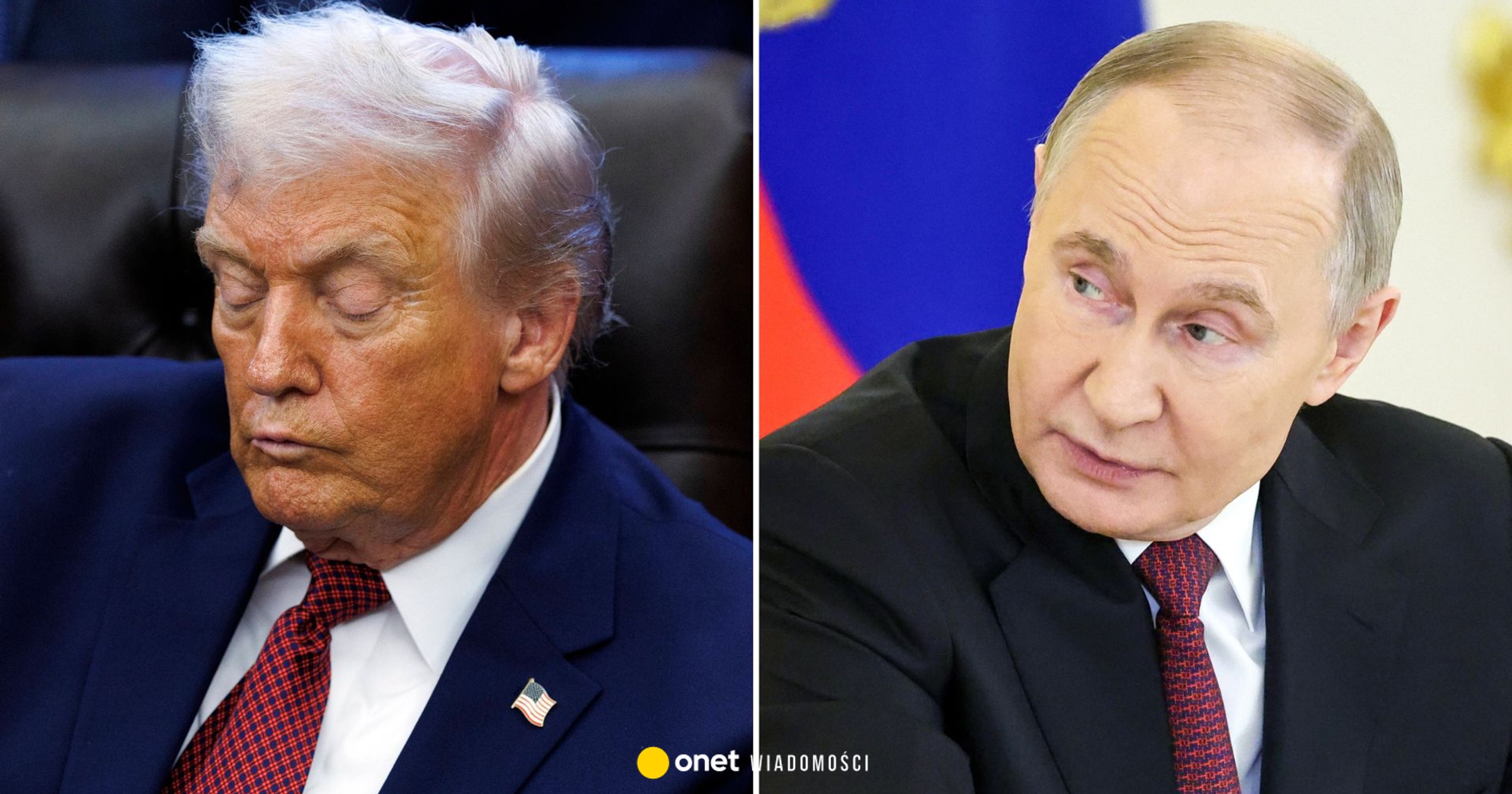
Ukraine is implementing the plan. Point by point. And Putin puts a good face on a bad game

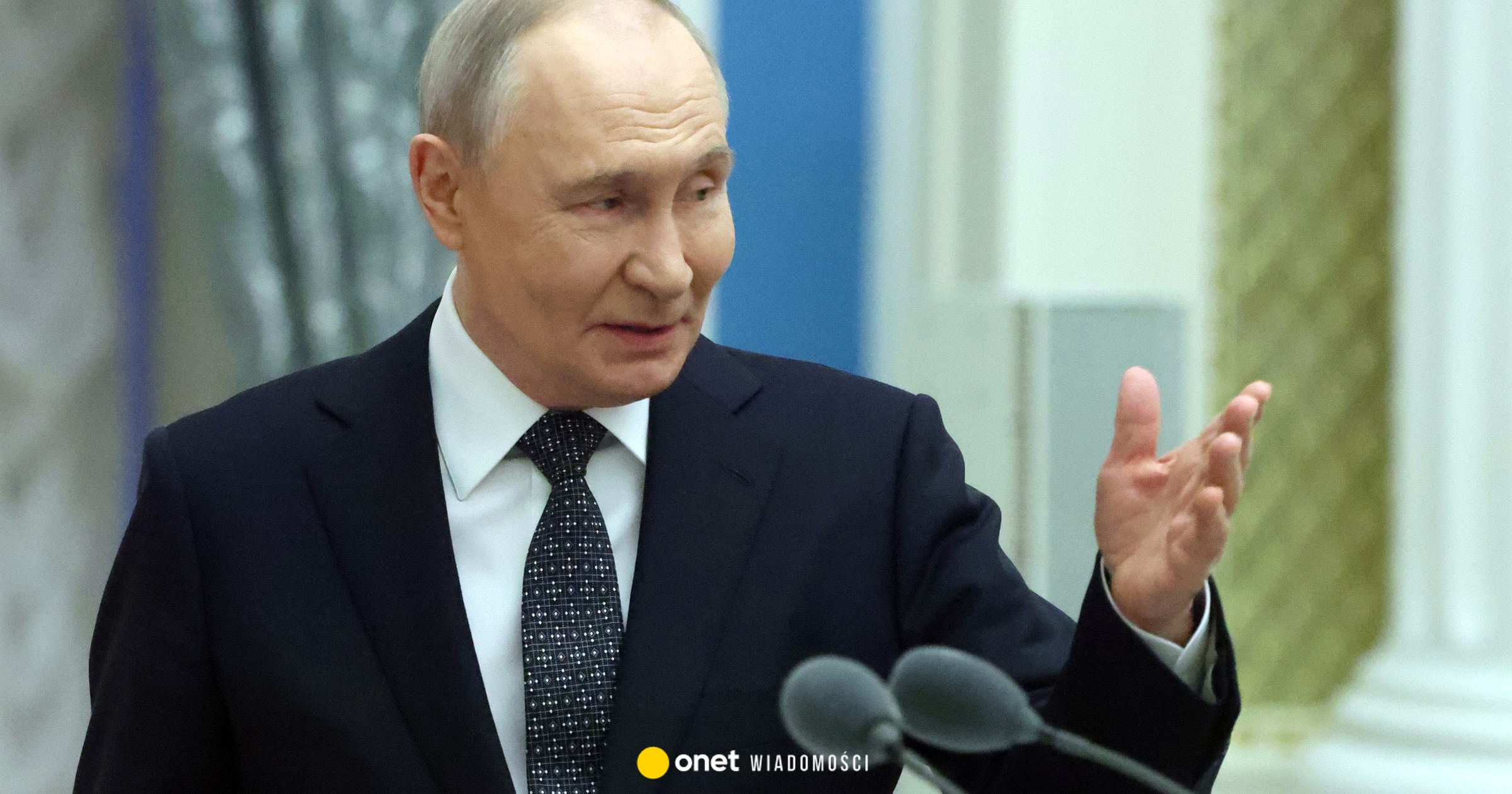
As firefighters battled the blaze and emergency services cleared damaged buildings, the Russian president continued his routine schedule of meetings and public appearances.
Putin clearly wants to show that he is in control of the situation. Because he is perfectly aware that the fires are not a coincidence, but precise attacks by Ukrainian drones.
The first of the latest attacks on this facility took place on the night of April 16, when Ukrainian drones hit the infrastructure of the oil refinery.
The attack sparked a massive fire that killed two area residents and injured seven others, forcing authorities to declare a state of emergency in Tuapse.
This did not discourage Putin, who continued his meetings and public appearances. On the day of the attack, he discussed support measures for participants in the Russian war against Ukraine with the head of Karachay-Cherkessia. This is according to official reports quoted by The Moscow Times.
In the following days, as the fire continued and emergency services dealt with its effects, Putin held talks on unrelated domestic issues, including cultural cooperation, agriculture and regional infrastructure projects.
According to official information, the refinery fire was extinguished on April 19 – but the situation quickly escalated again.
On April 20, Ukrainian drones struck the Tuapse refinery for the second time, hitting fuel tanks and again sparking large-scale fires.
Authorities also reported an oil slick spreading in the Black Sea and pollution reaching a local river. Residents described a “rain of oil” covering the streets with a greasy layer.
The environmental impacts quickly escalated. Smoke from the burning terminal spread up to 300 km, reaching Sochi, Anapa and Stavropol.
Health authorities urged residents to stay at home, close their windows and wear masks, and schools and kindergartens were closed.
“Society is getting tired.” Vladimir Putin's ratings dropped significantly
Following further restrictions on internet access and the blocking of the Telegram website, support for Vladimir Putin has been falling for the seventh week in a row.
Since the beginning of April, support for Putin has dropped by 4.5 percentage points, since the beginning of March – by 7.9 percentage points, and compared to the beginning of the year, when the wave of declines began – by 12.2 percentage points.
Putin's support continues to decline
As a result Putin's approval rating has reached its lowest level since the record decline in 2018.when the Kremlin announced an increase in the retirement age. Then, at the peak, support for the Russian president dropped by 19 points. percent (from 81.5% in mid-May 2018 to 62.5% at the beginning of July).
Support for Putin it did not drop that sharply even during the 2022 mobilization. (4.7 percentage points). In 2008, due to the war in Georgia and the global financial crisis, Dmitry Medvedev also lost less (11.7 percentage points).
– What can be seen in the WCIOM data is no longer a statistical error, but a symptom – notes political scientist Ilya Grashenkov, who believes that “Society is starting to get tired.” As he explains, limitations are multiplying, there are no prospects for improvement, and negative attitudes are no longer marginal and become socially acceptable.
It is also important that restrictions are imposed during a period of economic stagnation, Grashenkov emphasizes. — Society is able to endure restrictions when it sees sense in them, sees that they are temporary and that it will be compensated. However, when limitations are combined with a sense of deterioration of the financial situation, there is no longer mobilization, but silent alienation, he explains.