Shocking record in the US: wave of dead immigrants in ICE detention centers in a single year, during the Trump administration

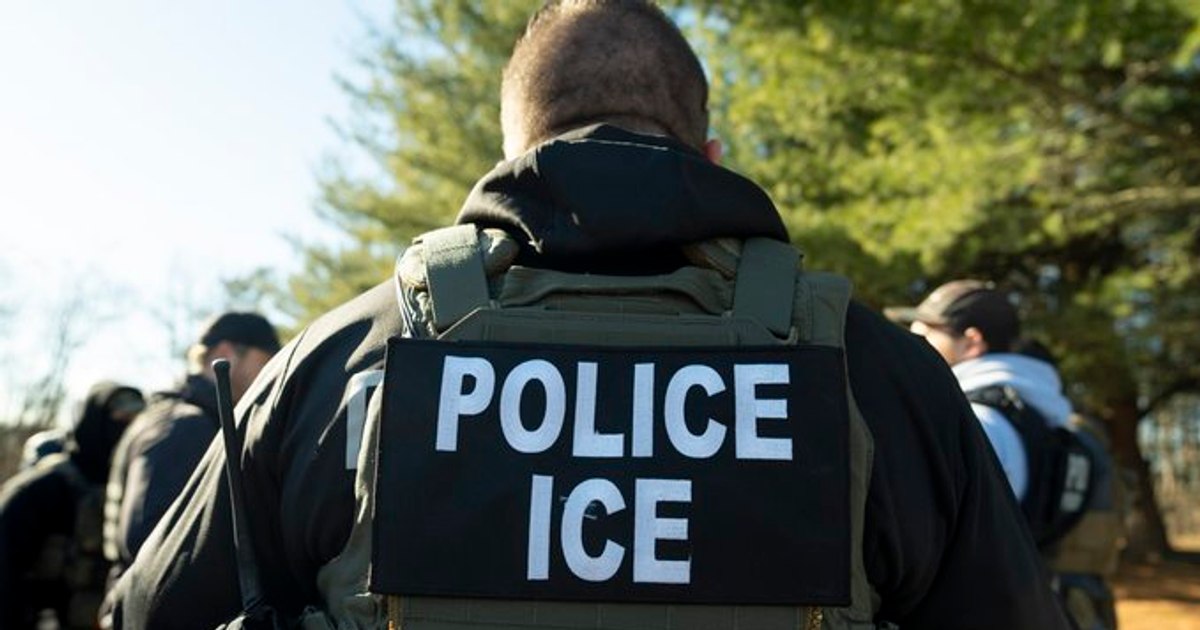
US authorities have reported 29 deaths in ICE custody in a single year, the highest number on record, amid a surge in arrests and a tightening of immigration policies under the Trump administration.
US Immigration and Customs Enforcement Photo: Profimedia
Since the beginning of the fiscal year in October, there have been 29 deaths in ICE detention facilities, one more than the previous record of 28. The increase comes amid heightened immigration enforcement and a significant increase in the number of people in detention, according to npr.org.
The latest case: a Cuban prisoner found dead in his cell
The latest victim is Aled Damien Carbonell-Betancourt, a 27-year-old Cuban national who is being held at an ICE facility in Miami, Florida. According to a preliminary report published on April 16, the man was found unconscious in his cell on the morning of April 12.
The document mentions a “alleged suicide” as a preliminary cause of death, but the official investigation is still ongoing.
The American authorities state that he entered the United States in 2024 without legal documents, and was later released through a program of “passwords”, used mainly for humanitarian reasons. In 2025, he was arrested for violently resisting an officer and later transferred to ICE custody.
The increase in deaths comes in the context of a significant expansion of the immigration detention system. According to official data, the number of people in custody has increased by more than 70% compared to the first year of the Biden administration, reaching about 60,000 inmates.
The Trump administration has stepped up immigration enforcement, targeting both people without legal status and criminal records, as well as migrants in the US with temporary protection from deportation.
The Department of Homeland Security (DHS) has dismissed the idea of an increase in deaths in custody, claiming that the death rate is 0.009% of the total population in custody. The institution also emphasized that inmates have access to medical services.
“For many illegal immigrants, this is the best health care they've ever received in their lives,” said a statement from DHS, which also encourages “self-deportation” through the CBP Home app.
During a congressional hearing, ICE Acting Director Todd Lyons explained that the high number of deaths is correlated with the record level of detentions.
He stated that the agency manages “the highest number of people in detention since its inception in 2003” and that last year nearly $500 million was spent on inmate medical services.
Lyons also said that detainees are medically screened within the first 24 hours of admission and receive a full medical examination within 14 days.
“No death is wanted. We don't want anyone to die in custody,” he said, adding that he hopes protecting the lives of inmates remains an institutional priority. Shortly after the hearing, the official announced his resignation.
Democratic senators have raised questions about the transparency of death reporting. In a letter to DHS management, they showed that out of 49 deaths recorded since January 2025, only 15 cases had preliminary notifications issued within 48 hours.
ICE officials acknowledged delays in public communication but said they are working to improve reporting procedures.
Centers in Texas and California, the most affected
The most deaths were recorded at the Adelanto ICE Processing Center (California) and Camp East Montana (Texas), each with three cases.
Causes of death, according to preliminary reports, include suicide, liver failure, kidney failure and alcohol withdrawal. In some cases, detainees experienced acute symptoms, such as breathing difficulties.
A case at Camp East Montana was reclassified as a homicide by the El Paso County Coroner, citing “asphyxiation by compression of the neck and trunk.” The FBI has opened an investigation.
Geraldo Lunas Campos, another deceased inmate, had initially been reported as a victim of a medical emergency after he allegedly became “disruptive” during the distribution of medication and was placed in solitary confinement.
An autopsy later determined the death to be a homicide. His family claims he had lived in the US since the 1990s and was fully integrated into society, although DHS says he had convictions for theft, gun possession and other crimes.
The family's attorney said they plan to file a wrongful-death lawsuit.