Did you play soccer and your knee gave out? When a sports injury needs orthopedist and recovery

Article by GSP – Published Friday, April 17, 2026, 11:05 a.m. / Updated Friday, April 17, 2026, 11:05 a.m.
Regular exercise is one of the best investments in health. The problem arises when the effort is resumed suddenly, without warm-up, without progression and without paying attention to the body's signals. This is how many weekend injuries occur: ankle sprains, acute knee pain, joint blockages, shoulder overuse or lower back pain after running, football, tennis or the gym.
Many try to solve everything on their own: ice, a few days off and hope it goes away. Sometimes that's enough. Other times, this very delay prolongs recovery. A medical evaluation becomes important when the pain is intense, does not improve with rest, worsens with exertion, significant swelling occurs, there is loss of function, or the affected segment can no longer be moved normally.
One of the most common injuries after football, running or sudden changes in direction is the sprained ankle. Knee problems are equally common, especially after pivoting movements, sudden stops or resuming sports after a long break. What initially seems like just a stretch can turn into a problem that persists for weeks, especially when the person returns to exercise too quickly.
The knee that swells after the game, the ankle that remains unstable or the shoulder that hurts with every arm lift should not be treated lightly. In many cases, the problem is not just momentary pain, but the risk of miscompensating, overtaxing other structures, and entering a long cycle of inflammation, functional limitation, and relapse.
Here comes the classic mistake of the amateur athlete: returning to the field too soon. He does another match, forces another run, tries another gym session to see if it works. Most of the time, it doesn't work. Proper recovery isn't just about getting through the pain again, it's about restoring mobility, stability, and movement control before resuming exercise.
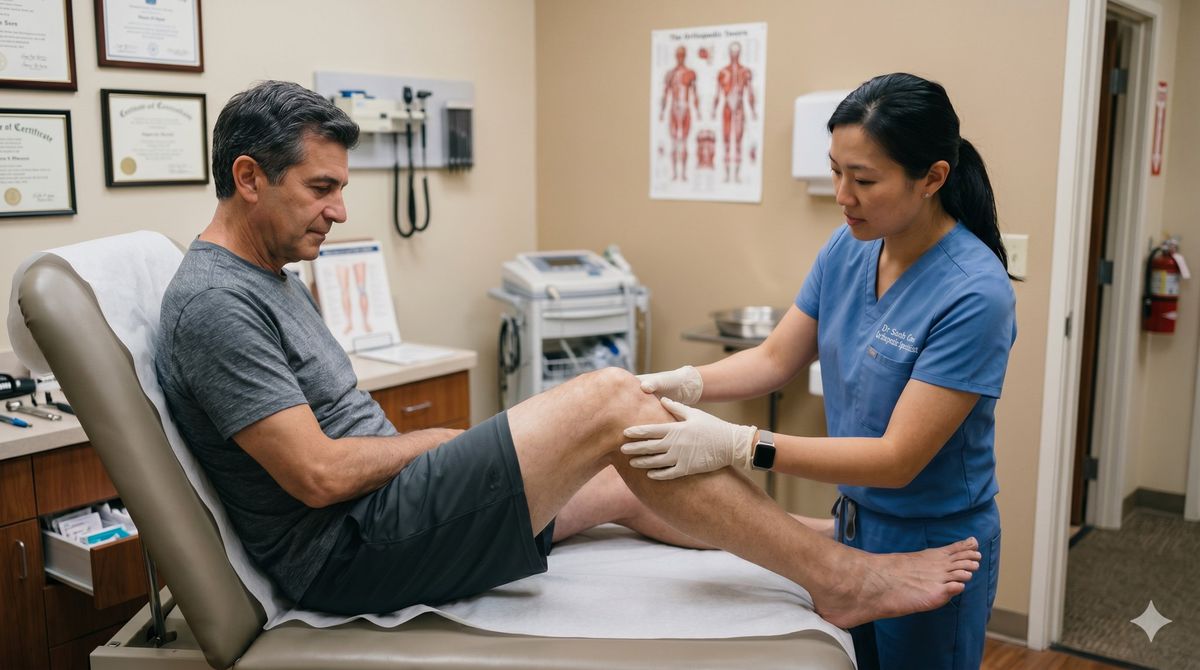
The correct route is simple: assessment, diagnosis and then treatment followed, when indicated, by medical recovery. Sometimes conservative treatment is enough. Other times further investigations and a clear rehabilitation plan are required. It is important that the decision is made medically, not by feeling.
For insured patients, the important part is that access to this type of care can also be done through the public system, based on the referral ticket, depending on the specialty, indication and availability. That is precisely why, for many patients, it is important not only to reach the doctor, but to be able to continue quickly and coherently with the next stage of treatment.
to Prevencempatients can schedule for orthopedic consultations through CASand where there is a medical indication they can continue with medical recovery through CASbased on the dispatch ticket, within the limits of available funds and according to the contractual conditions. For a sports injury, the difference between “let it go” and a proper return to activity is often how quickly you get on the right medical track.