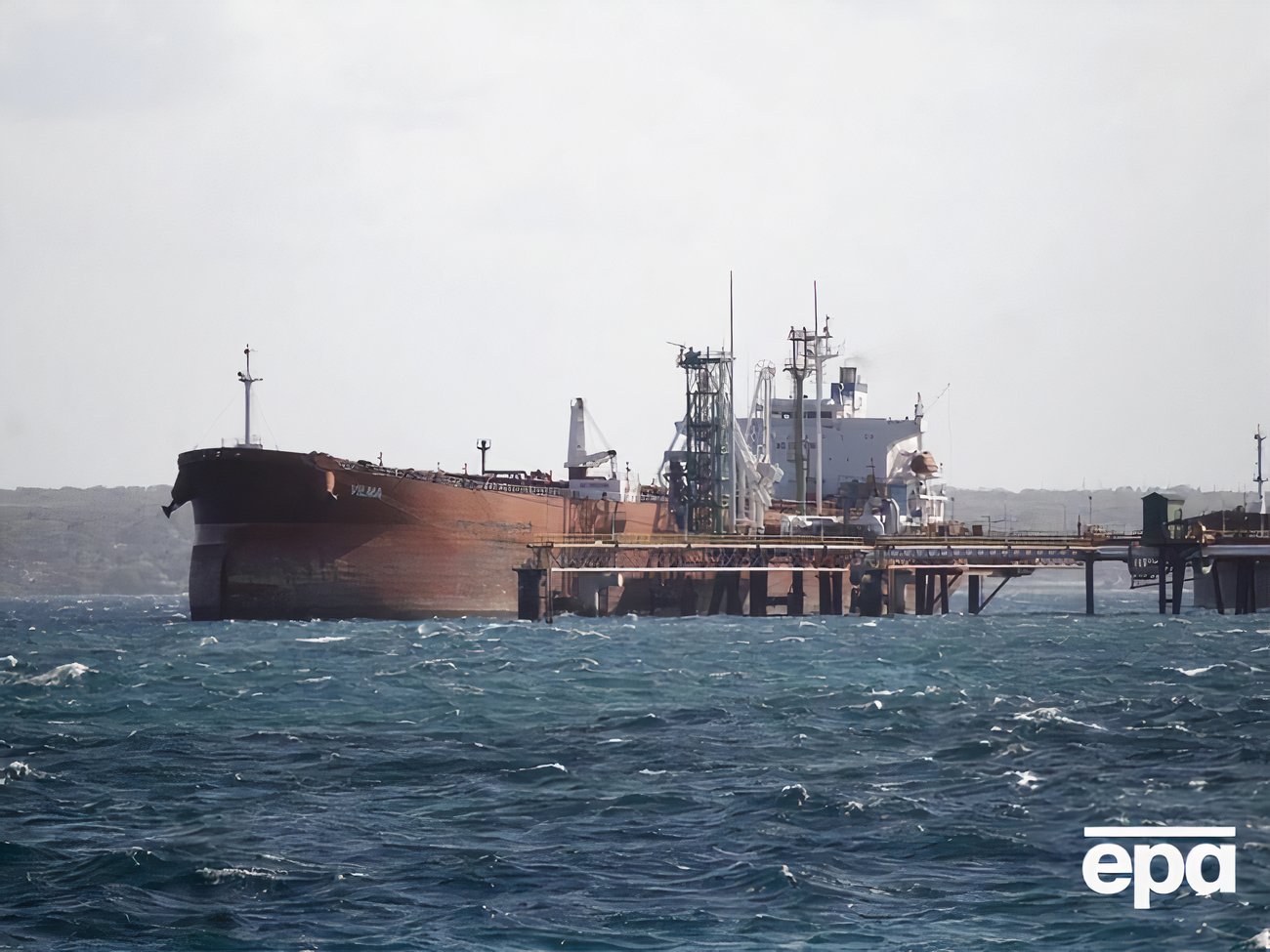
The temporary permit, which allowed countries to buy part of the sanctioned oil and petroleum products of the Russian Federation, was valid from mid-March to April 11. It concerned the raw materials that were loaded onto tankers before March 12, that is, those that were already at sea. The decision was explained by an attempt to stabilize world energy prices against the backdrop of the US and Israeli war against Iran and the blocking of the Strait of Hormuz. Reuters, citing sources, wrote that the permit will likely be extended. Instead, US President Donald Trump's administration ended it over the weekend, according to Politico.
There is no official release on the US Treasury website about the resumption of oil sanctions against Russia. In response to Politico's request for comments, the department recalled the statement of US Treasury Secretary Scott Bessent that lifting sanctions on Russian oil would be a “short-term measure.”
Politico noted that the return of sanctions is a step that will please Ukraine's partners, but “Russia still has many ways to get around these sanctions.”
According to an unnamed aide to a Democratic senator in the US Senate, sanctioned Russian oil was making it onto the market despite restrictions because the Trump administration had not imposed any sanctions on Russia for more than a year for evading sanctions, selling oil or critical purchases that fuel the Kremlin's war machine.
Context
The US Treasury imposed sanctions against the Russian oil companies Rosneft and Lukoil on October 22, 2025. US President Donald Trump explained these restrictions with the hope that they would encourage the illegitimate Russian President Vladimir Putin to negotiate peace in Ukraine.
Against the backdrop of the war between the United States and Israel with Iran, since March 1, shipping through the Strait of Hormuz, one of the most important routes for global oil trade, through which millions of barrels of crude oil and petroleum products pass daily from the Middle East to Asia, Europe and the United States, has practically stopped. Oil prices began to rise sharply.
On March 6, Bessent said that India had received sanctions relief during the war in Iran. On the same day he informed that The United States is considering the possibility of lifting sanctions on Russian oil. The corresponding decision was made March 12 Office of Foreign Assets Control (OFAC) of the US Department of the Treasury.
On March 22, Bessent reported that the temporary lifting of American sanctions on Russian oil and petroleum products had actually reduced Russia's real income.