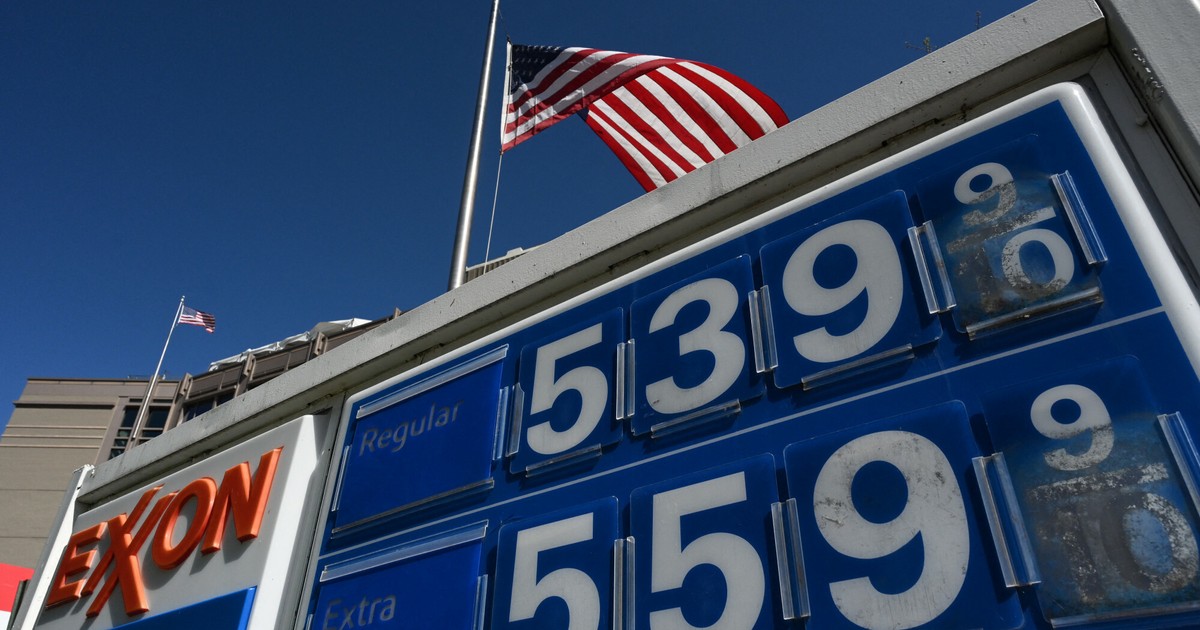
The biggest monthly increase in gasoline prices in six decades triggered a sharp jump in U.S. inflation in March, complicating the Federal Reserve's fight against price pressures and deepening political problems for the White House, the Associated Press reports.
Read also: What does a potential change of power in Hungary mean for Poland? “There are risks”
The first reading taking into account the war
According to data from the Department of Labor, consumer prices increased by 3.3 percent in March. year to year, compared to 2.4 percent in February, marking the highest reading since May 2024. On a monthly basis, inflation accelerated to 0.9%, the fastest rate in almost four years. This is the first reading that fully takes into account the effects of the conflict with Iran and the sharp increase in fuel prices.
More expensive gasoline hits low- and middle-income households especially hard, reducing real incomes and making it harder to cover basic expenses like food and rent. At the same time, core inflation – excluding food and energy prices – rose to 2.6%. year on year, and on a monthly basis it was 0.2 percent, which suggests that the fuel shock has not yet spread widely to other categories.
Transport costs will increase
Economists emphasize, however, that the key question remains about the durability of the current increases in energy prices and their impact on inflation in the coming months. As the Associated Press writes, a scenario similar to 2022, when inflation exceeded 9%, is unlikely for now, although the short-term effects may be severe.
Higher oil and gas prices are already raising costs in fuel-dependent industries. Airlines pass them on to passengers – ticket prices increased by 2.7% in March. m/m are almost 15 percent. higher than a year earlier. Delivery companies including UPS and FedEx have introduced fuel surcharges, increasing shipping costs for businesses and consumers.
Although food prices fell slightly in March, economists warn that they may rise in the following months as diesel prices increase, which increases transport and production costs. At the same time, clothing prices rose while used car prices continued to fall.
Expensive fuel is a political problem
The sudden increase in inflation pushes the Fed further away from its 2% target, which will almost certainly delay the first interest rate cuts. However, the central bank may focus more on core inflation, which is growing slower than the general indicator.
Higher fuel prices are also starting to affect public sentiment. A University of Michigan study shows that consumer confidence fell to a record low in April, mainly due to the war in Iran and concerns about the cost of living. Rising fuel prices could also become a political issue ahead of the midterm elections, especially since, as an AP-NORC poll shows, many Americans are concerned about whether they will be able to afford gasoline in the coming months.