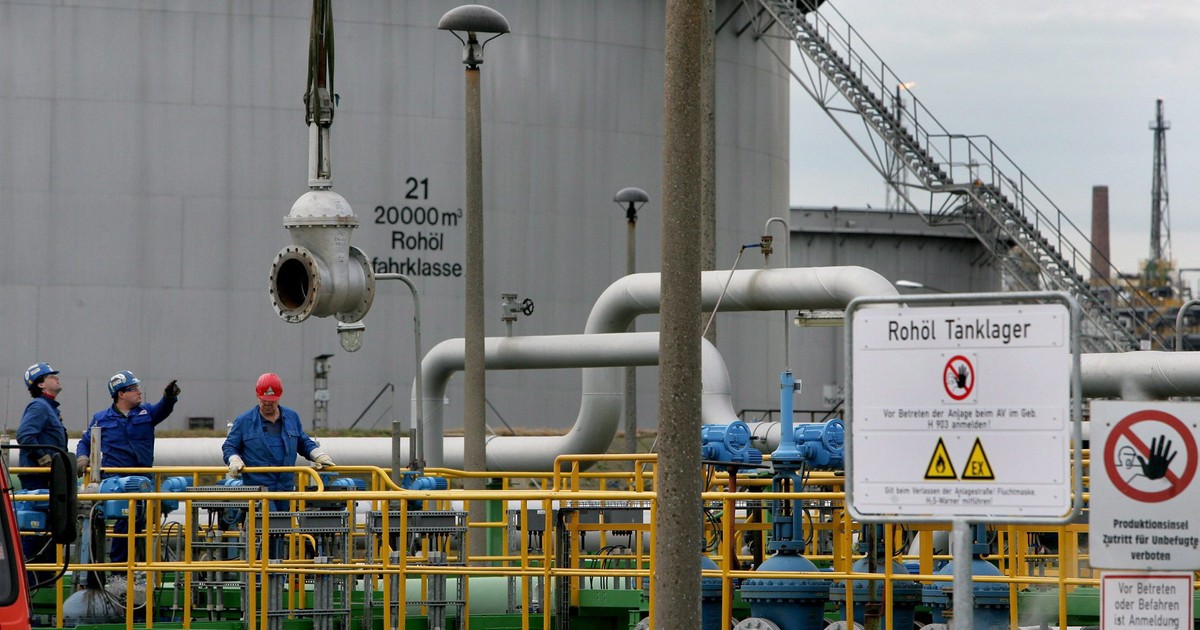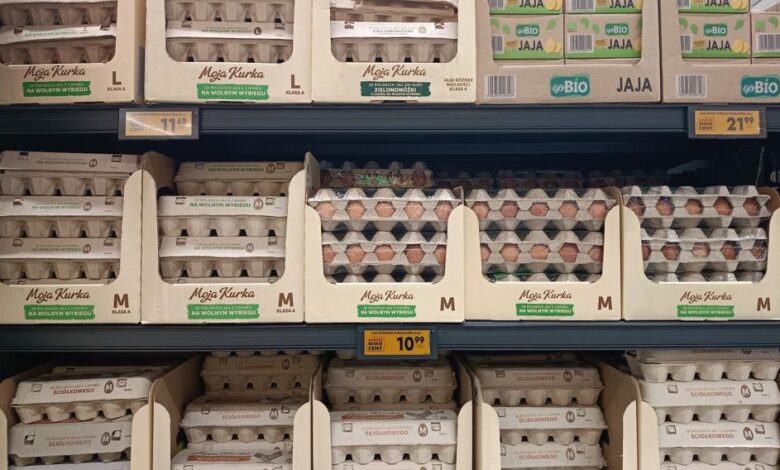
The Polish egg market is clearly moving away from cage farming – in recent years the number of hens kept in alternative systems has increased rapidly, and more and more companies are withdrawing “threes” from sales and production. This trend is driven not by regulations, but by business decisions that are increasingly changing the structure of the entire industry.
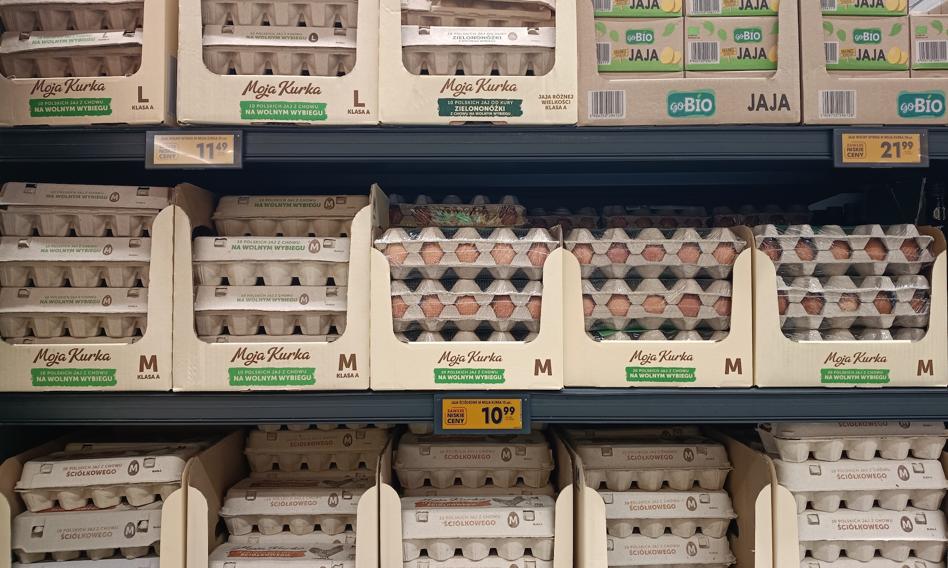
A decade ago, cage-free eggs were a niche in Poland, today they are becoming a market standard. The pressure from retail chains and food producers means that cage farming is quickly losing its importance, and the industry is undergoing a deep and accelerating transformation.
Huge change in the egg market
According to Julia Pająk, business campaign manager at the Otwarte Klatki Association, the recent change in the egg market has been enormous.
– In 2014, less than 13 percent Laying hens in Poland were kept in cage-free systems – litter, free-range or ecological. Since then, this percentage has tripled and today it is approximately 39%. – says Julia Pająk to Bankier.pl. – Since the beginning of last year alone, the number of hens in cages has decreased by almost 4 million. This is a record decline, likely due to the end of 2025 being the deadline for most companies' commitments to phase out cage eggs. The effects of these declarations are now clearly visible.
It turns out that the main driving force of changes are the decisions of recipients – retail chains and food producers, but also the catering market.
– For egg producers who invest in alternative systems, this is a real business opportunity. The transition to cage-free farming is, of course, associated with investments and the need to acquire new competences, especially at the initial stage. However, for many Polish producers, alternative breeding is not new. The first investments in cage-free farms were made years ago. The tripling of the share of these systems since 2014 shows that a large part of the industry has already gone this route or is in the process of doing so, says the expert.
Cage farming is in retreat
In her opinion, the fact that many hens in Poland are still kept in cages is probably closely related to export.
– About 40 percent Polish egg production goes abroad and statistics suggest that this is where a large percentage of cage eggs are hidden
– says Julia Pająk. – However, conditions are also changing on export markets. In several European countries, including Switzerland, Austria, Luxembourg, Iceland and Sweden no longer have caged laying hens. Interestingly, no legal ban has been introduced in Sweden. The move away from cages was solely due to business decisions, as is now happening in Poland. This is a signal that cage farming is in retreat, both on the domestic and export markets.
According to a representative of the Open Cages Association,
over 20 well-known retail chains have said “stop” to cage eggs and most of them have already completely withdrawn them from sale.
– These include the two largest store chains in Poland, which are responsible for a significant part of the FMCG market – says Julia Pająk. – Moreover, caged eggs are disappearing not only from shelves, but also from product stores. More than 50 food producers have already switched to alternatively farmed eggs. Retail chains are also withdrawing cage eggs from the composition of their own brand products. As a result, the eggs offered to consumers in Poland today are largely cage-free.
Retail chains prefer eggs from free-range hens
One of the first retail chains that decided to move away from cage eggs is Aldi Polska.
– We declared it already in 2016, and we achieved this goal at the end of 2025 – says Bankier.pl Edyta Bracik, Leader of the Communication Strategy and External Relations Team at Aldi Polska. – We do not sell the so-called “triple” eggs and they are not included in any of our own brand products. We also have our own brand of eggs – Wesoły Kurnik. Under this brand we offer free-range eggs and organic eggs. These are eggs from organic farming, where the hen house serves as a sleeping place for the laying hens, and the hens stay in the paddocks all day long, except in winter, looking for food. Ours suppliers must meet appropriate quality and breeding standards, including: with animal welfare. In this area, we particularly value cooperation with regional suppliers.
Also in Biedronka, the vast majority of eggs come from Poland, and detailed information about the country of origin is always included on the packaging.
– We cooperate with a permanent base of proven partners, mostly Polish producers, as well as one foreign supplier. Already in 2022, we were one of the first on the Polish market to withdraw fresh cage eggs from sale.. These activities were appreciated, among others: first place in the ranking of the Otwarte Klatki Association and a distinction in the international EggTrack 2022 report prepared by Compassion in World Farming – says Maciej Bystrzycki, category director responsible for the egg offer in the Biedronka chain, to Bankier.pl.
The full list of companies that have abandoned cage eggs is available at BiznesBezKlatka.pl.