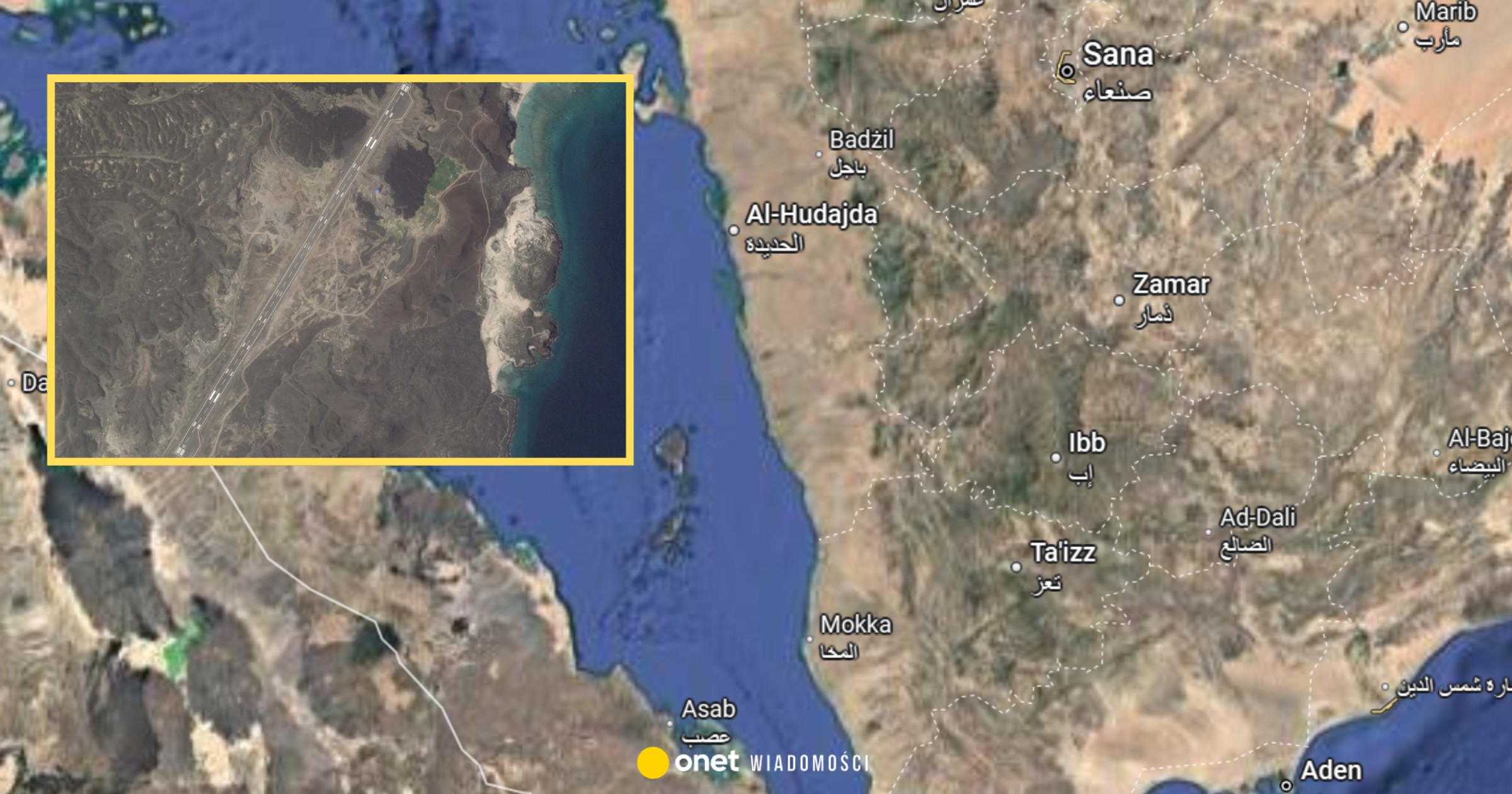
On the night of March 26-27, Ukrainian drones carried out a massive attack on the Leningrad Oblast, said the region's governor Alexander Drozdzenko. According to eyewitness recordings analyzed by the Ukrainian Exilenova+ channel on the Telegram platform, explosions were heard in the area of the ports of Primorsk and Ust-Luga.
This is the third attack on Russian ports on the Baltic Sea since the beginning of the week. They were previously the target of airstrikes on March 23 and 25. Primorsk and Ust-Luga are Russia's largest oil ports on the Baltic Sea. They export about 40 percent. Russian oil, i.e. approximately 2 million barrels per day.
According to a Reuters source, both ports stopped loading oil on March 25. Ukrainian drone attacks on Russian oil infrastructure make it difficult for Moscow to profit from the global energy crisis caused by the US and Israeli war against Iran. And this is just part of Ukraine's latest offensive campaign.
“While repelling the attack, 36 unmanned aerial vehicles were destroyed. According to preliminary information, there are no casualties,” wrote the region's governor, Alexander Drozdzenko, on the Telegram channel, without specifying whether any objects were damaged as a result of the raid. There is no data on the effects of the attacks.
Due to the drone attack on the Leningrad Oblast, restrictions on aircraft takeoffs and landings have been introduced at Pulkovo Airport. As a result, the number of delayed and canceled flights exceeded 60 overnight.
According to a report by the Ministry of Defense of the Russian Federation, air defense forces “shot down and destroyed” 85 Ukrainian aircraft-type drones last night. Drones were spotted in the sky over the Bryansk, Leningrad, Vologda, Smolensk, Belgorod, Kursk, Pskov and Moscow oblasts, as well as over the occupied Crimea and the Black Sea.
The article continues below the video
On the night of March 26-27, Ukrainian drones also attacked an “industrial area” in Cherepovets, announced the governor of the Vologda region, Georgi Filimonov. “8 airstrikes were recorded. There is no damage to the critical infrastructure of the region. There are no deaths or injuries. Emergency services are on site,” Filimonov wrote on the Telegram channel.
According to photos and videos of local residents analyzed by the Ukrainian Exilenova+ channel on the Telegram platform, the target of the attack was the Apatit company, which belongs to the chemical cluster in Cherepovets of the FosAgro group. It is the largest producer of phosphorus fertilizers in Europephosphoric and sulfuric acid and one of the main Russian producers of compound fertilizers.
Russian farmers in a bind
Earlier, Ukrainian drones attacked the KuibyshevAzot chemical plant in Togliatti. As a result of the impact on March 11, a fire broke out in one of the halls. This plant is among the top ten largest nitrogen industry enterprises in Russia. In February, the Ukrainian Armed Forces attacked chemical plants on the territory of the Russian Federation three times.
Ukrainian soldier with a drone (illustrative photo)Dmytro Smolienko / Ukrinform / NurPhoto / NurPhoto via AFP / AFP
On February 7, the largest chemical plant in the Tver Oblast, Redkinski Opiotny, became the target of an attack. After the hit, an extensive fire broke out on its premises. On February 17, drones struck the Metafraks Chemicals plant in the Perm Oblast. This also resulted in a fire. On February 25, the Dorogobuzh plant in the Smolensk region was attacked. Seven people died.
Due to the US and Israeli military operation against Iran, the closing of the Strait of Hormuz and growing global demand, Russia has experienced a fertilizer deficit. Their prices increased by 30%. As reported by the Russian newspaper “Izvestia”, farmers therefore turned to the head of the Russian Ministry of Agriculture, Oksana Lut, with a request to restore export duties.
At the same time, agricultural producers warned that the current situation may negatively affect future harvests. The Russian Ministry of Agriculture announced a restriction on ammonium nitrate exports from March 21 to April 21 “to ensure spring field work.” This is “first of all to provide farmers with the type of fertilizer they need during the sowing period,” the Russian ministry said. Experts point out that these chemicals are used to produce ammunition, equipment and other materials for the Russian armed forces.
I’m Ashley Davis as an editor, I’m committed to upholding the highest standards of integrity and accuracy in every piece we publish. My work is driven by curiosity, a passion for truth, and a belief that journalism plays a crucial role in shaping public discourse. I strive to tell stories that not only inform but also inspire action and conversation.