Food becoming more expensive? We know when the wave will reach Poland and which products it will cover

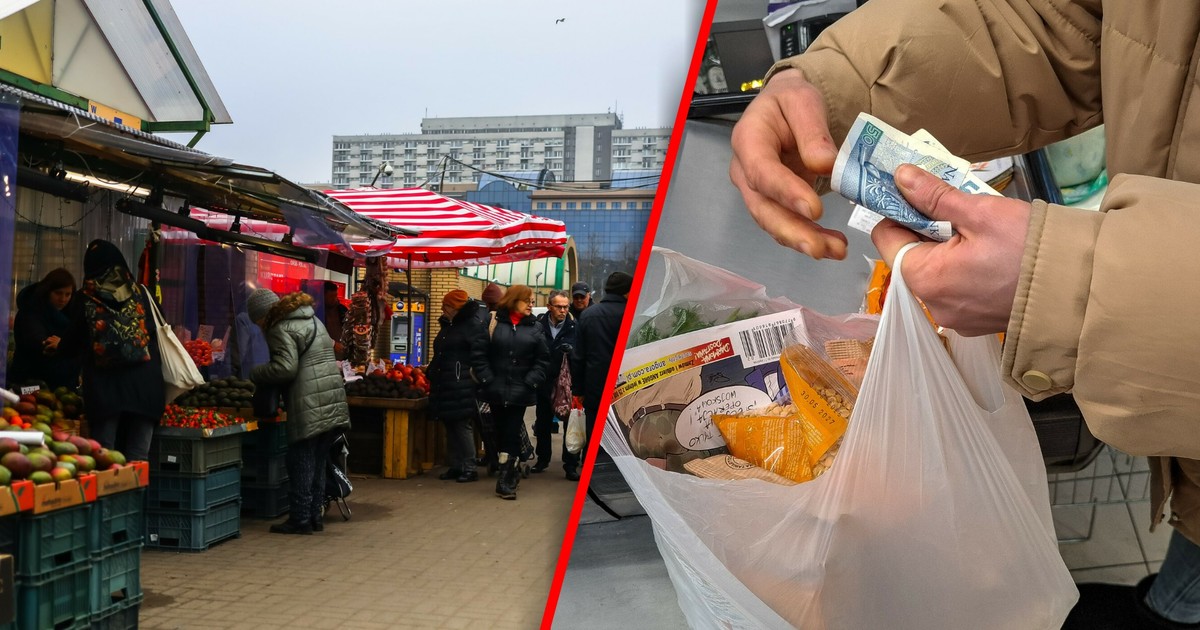
Oil and gas price spikes related to the war in Iran and the blockade of the Strait of Hormuz has already driven up fertilizer prices. In theory, this is a direct path to skyrocketing food prices. Experts see tension but doubt the worst-case scenario.
The rest of the article below the video:
Fertilizer prices are jumping. Asia stops production
Problems with energy resources have already disabled some fertilizer production in Asia.
— The global fertilizer market is tight. The Persian Gulf countries were very important to the global market – were responsible for almost half of the global sulfur trade, 1/3 of urea and less than 20 percent. ammonia and phosphorus fertilizers. Additionally, Qatar supplied 20 percent. world LNG, mainly to Asia, and natural gas is a raw material for the production of nitrogen fertilizers. Gas shortages are already causing production restrictions in Asian countries – admits Maciej Rozkrut, PKO BP fertilizer expert.
In Europe itself, installations are working, but price increases are noticeable. Urea prices in the Black Sea region reached approximately USD 650. per tonne, which means an increase by almost 100 percent year to year, although last week it reached 55%. rdr. Ammonium nitrate prices in the Baltic Sea region increased by over 40%. yoy, up to approx. USD 370 per ton. Phosphorus fertilizers recorded lower growth – in the Baltic Sea region, prices increased by approximately 20%. compared to last year.
Prices of agricultural raw materials (in nominal and real terms, i.e. “inflation-free”) according to the Food and Agriculture Organization of the United Nations (FAO)
|
FAO/FAO
Poland has time
— In Poland, price increases at distributors are more modest. The current gross price of urea is approximately PLN 2,900/t, while a year ago it was approximately PLN 2,600-2,700/t, which means an increase by approximately 10 percent rdr. It is worth emphasizing, however, that prices may vary significantly depending on the region and distributor – even by several hundred zlotys per tonne – adds Rozkrut.
Moreover, as he reminds, Poland has already made preparations for a possible intervention. On March 12, Deputy Minister of Agriculture Małgorzata Gromadzka assured the Sejm that the Azoty Group would manage to maintain the increase in the price of multi-component fertilizers below 7%, and urea up to 14%. In turn, Minister Stefan Krajewski announced the submission of an application for consent to grant state aid, which would enable the introduction of subsidies for fertilizers – similar to the aid granted after price increases in 2023.
Cereals for the first front
However, assuming that the crisis continues, it will hit plant products first. In further stages we will have to take into account the increase in prices of meat, milk and eggs.
— First of all, this could affect grain prices, but in the later perspective it could mean an increase in the prices of animal products, i.e. meat and milkdue to higher feed prices – says Mariusz Dziwulski, agriculture expert at PKO BP.
Prices at gas stations are also important in this context. Expensive oil is traditionally favorable too more expensive sugar and oils. — Fuel prices are also important, as they contribute to an increase in the prices of agricultural raw materials related to the biofuel sector, but also on the costs of food production and distribution – says Mariusz Dziwulski, agriculture expert at PKO BP.
The impact will come with a delay. If at all
Analysts agree – price increases resulting from fertilizer pressure will not come immediately. It's always a time bomb. As Dr. Jakub Olipra, senior economist at Credit Agricole, notes: most farmers stocked up on fertilizers in the fall, and current purchases are largely complementary.
— International research indicates that the peak of this impact on retail food prices is observed only 12-15 months after the shock. At the same time, it is crucial when this shock occurs and how long it will last, says Jakub Olipra.
And in this case, the shock may fortunately… not come at allif the shock on the raw material and fertilizer markets is intense but short. Donald Trump's Monday declaration to halt some of the hostilities has already sparked optimism in the markets and a decline in commodity prices. And although Iran denied the US president's reports and oil prices returned to growth, it shows how the end of the war can quickly stabilize the situation.
— In a situation where the shock fades quickly and fertilizer prices return to their initial levels in the fall, these effects will be limited, says Jakub Olipra.
Less of a shock than the attack on Ukraine
There are many indications that this will be the case here. Although the situation remains tense, it is definitely more favorable than in 2022, when Russia's attack on Ukraine and cutting off Europe from gas and oil from the East resulted in an energy and fertilizer crisis.
Olipra reminds that the increase in gas prices is now noticeably smaller than when the EU was cut off from gas from Russia.
— The reaction of agricultural markets so far has been quite calm. The prices of agricultural raw materials have increased along with the rising price of oil, but to a much lesser extent than the prices of other raw materials, including energy. Despite the increases, grain prices are below last year's levels. Agricultural markets are under the influence of high global supply, which has so far contributed to a decline in food inflation. However, in the case of a prolonged conflict and high fuel prices, maintaining the prices of agricultural raw materials at a low level seems unlikely, says Mariusz Dziwulski.