According to the details of 2024, quoted by World Economic Forum, 52.1 percent Japanese companies do not have a designated successor. According to expert forecasts, 1.27 million small and medium -sized enterprises will close by the end of 2025, which is one third of all companies in Japan. This means a reduction of 6.5 million jobs and a decline in Japan's GDP by 22 trillion yen (about $ 154 billion). The majority of these companies are craft facilities based on age -old traditions.
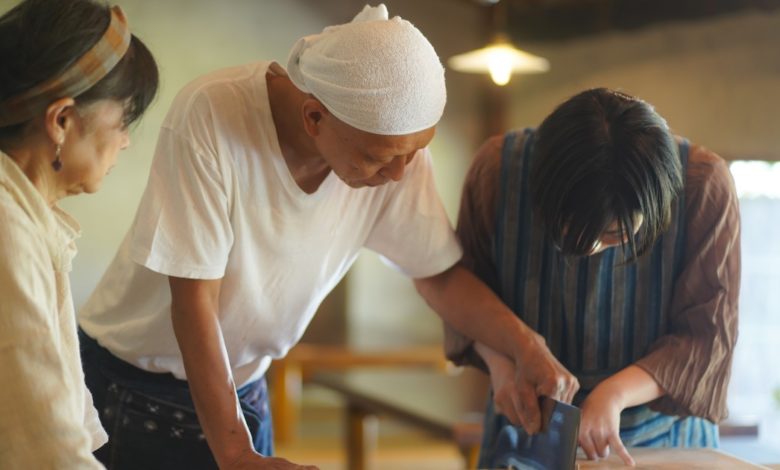
Japanese authorities try to secure unique skills, traditional techniques and priceless knowledge. The Ministry of the Interior and Communication in cooperation with local governments has developed integrated Succession Support Program. These initiatives include various solutions – from searching for new owners to financial support after taking over.
In practice, this means, among others Help in finding the successors of companies, encouraging experienced specialists from the private sector to take over plants and relocation programs of entrepreneurs from large cities to smaller towns to support the local economy.
It is also planned co -financing for new ownerswho decide to take over their activities after retiring entrepreneurs – so as to make it easier for new owners to start and minimize the risk of bankruptcy.
State weight problem
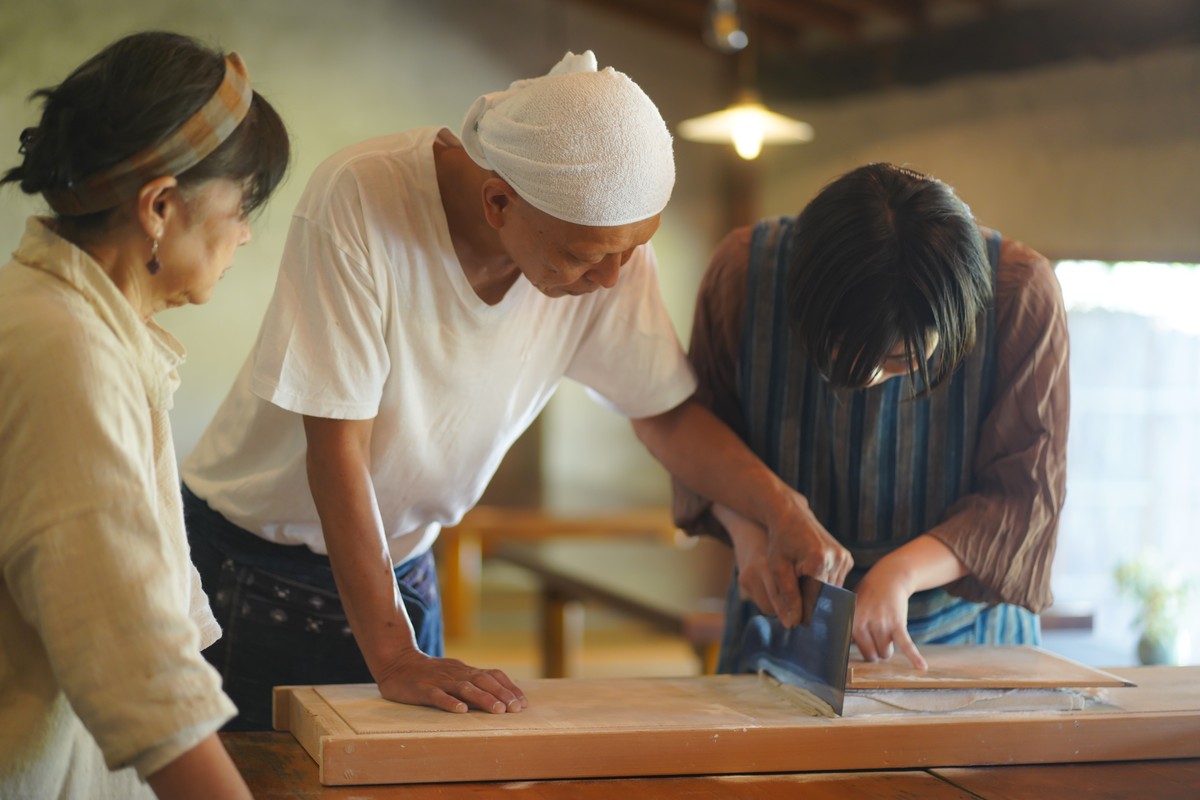
The WEF data shows that between 1983 and 2016 Japan lost over three quarters of craftsmen – the number of employees in this sector fell from 280 thousand. up to only 60 thousand This is not only a blow to the economy, but also for culture and national identity. Along with the loss of local plants, the country loses an important element of its heritage. What was once passed on – from father to son, from master to student – today requires state intervention, business and technology.
Craft protection programs
One of the biggest obstacles to the continuation of traditional businesses is the shrinking local market. Therefore, in Japan, more and more emphasis is placed not only on the transfer of companies, but also on expanding their market coverage. Organizations supporting craft heritage, such as the National Program for the Support of Traditional Industry, help new owners in building brands, communication and promotion – especially among foreign clients.
Products that the inhabitants of Japan seem ordinary, among tourists from abroad are considered unique and exclusive. Today, this potential is to use the successors of old masters – combining traditional techniques with a modern approach to sales.
The state certification system, operating in accordance with the Act on traditional industries adopted in 1974, helps in their promotion. The Agency for Culture promotes traditional crafts certified by the government by placing the logo “Japan Traditional Craft Craft Product” on products on products. To obtain such certification, products must be made by hand using traditional materials and techniques and come from a designated region. By 2022, 237 products from all over the country received such a distinction.
Will AI save Japanese culture?
When the craft company disappears due to the lack of a successor, not only the workplace is lost – skills developed for generations are also irretrievably lost. Traditionally transmitted in the Master -Study report, they disappear if there is no one to learn and continue them.
Some Japanese companies began to use artificial intelligence to archive specialized knowledge. The Dentry Marketing Agency has developed a AI model capable of assessing the quality of tuna based on the cross -section of the tail – a skill that has been taught for years under the watchful eye of the master. The algorithm today reaches 90 percent. compliance with the assessment of experts, thus protecting is unique know-how.
Another company, Lightz, playing the role of ethnographers, conducted a series of interviews deepened with craftsmen producing traditional cast iron vessels. On this basis, it was created The knowledge base about the way of thinking and assessing the quality of workwhich was then used for AI training. The goal was not only to save dry facts, but systematizing intuitive processeswhich are the result of many years of experience.
Another part of the world, the same problems
Poland is dealing with similar challenges. Prof. Jan Klimek, president of the Polish Craft Association, has repeatedly emphasized in interviews that succession is today the biggest challenge for Polish craft factories and SME owners. In his opinion, young people are not interested in taking over family businesses.
This phenomenon is confirmed by data from the PwC Nextgen Survey 2024 report. Until 53 percent Polish family businesses are still run by the first generation of owners. 58 percent Their potential successors believe that the lack of readiness of current leaders to transfer the helm is one of the main succession challenges. At the same time as much as 67 percent He is afraid that he will not meet the expectations that are associated with the takeover of family business. Most family businesses still do not have a specific strategy for transferring the helm.
For June 2025, ZRP planned an announcement of a strategy for craftsmanship for 2025–2030, prepared by prof. Klimka.