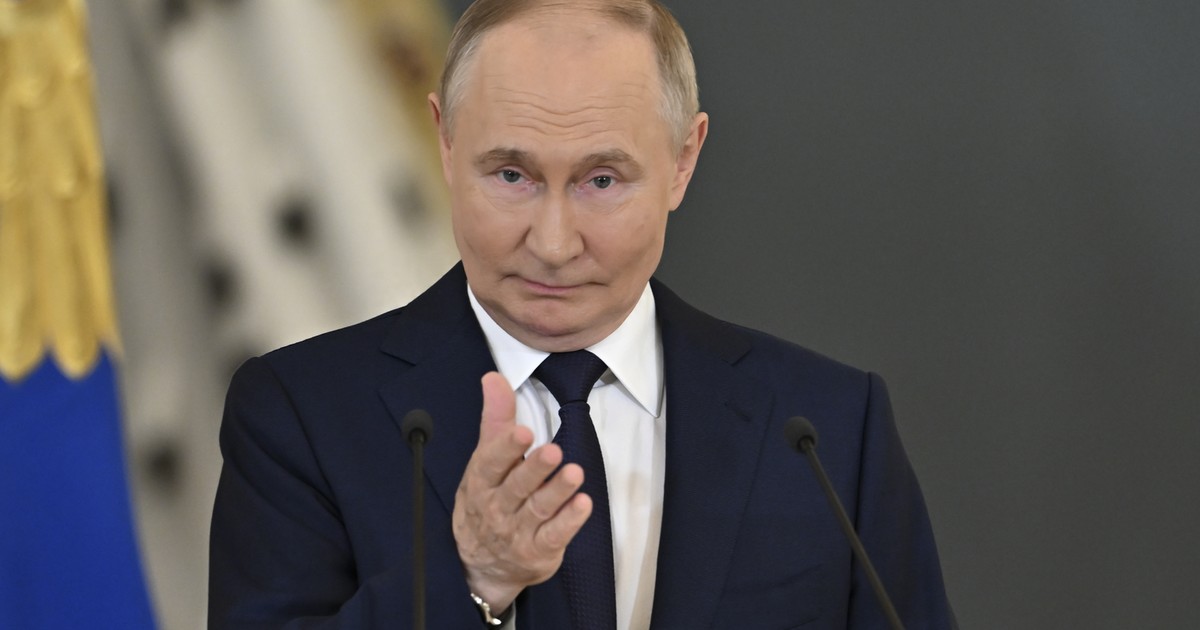

The administration of President Donald Trump decided to… 30-day exemption from sanctions for Russian oilwhich was loaded onto tankers before March 12. It is estimated that this may concern approximately 100 million barrels of raw material.
The rest of the text below the video
Read also: Gold in the NBP treasury. The bank published the data
The decision is related to the sharp increase in oil prices caused by the war in the Middle East and tensions around the Strait of Hormuz. This route is crucial for the global energy market – under normal conditions, approximately 20% of energy passes through it. oil transported by sea and about 30 percent LNG.
After the conflict between the United States and Israel and Iran broke out oil prices skyrocketed. On March 9, a barrel cost as much as $115-116, and on March 15, it was about $106, i.e. about 45%. more than before the start of hostilities.
Who is most likely to oppose the easing of sanctions against Russia?
When asked whether the United States should ease sanctions on Russian oil to stop the price increase: 29.9 percent answered “yes”, 44.6 percent. was against, and 25.5 percent has no opinion on this matter.
Read also: NBP core inflation. What will the Monetary Policy Council do after such data?
As SW Research analyst Adam Jastrzębski points out in an interview with the newspaper, opposition to the easing of sanctions is more often expressed by:
- men (53%) than women (37%),
- people over 50 years of age (54%),
- respondents with income above PLN 7,000 net,
- inhabitants of counting cities 200-499 thousand inhabitants (64%).
The study was conducted by the SW Research research agency among users of the SW Panel online panel on March 10-11, 2026. The analysis covered a group of 800 Internet users over 18 years of age. The sample was selected in a random quota manner