How the Kremlin manages to restore his army. Russian military movements that put Europe on the jar

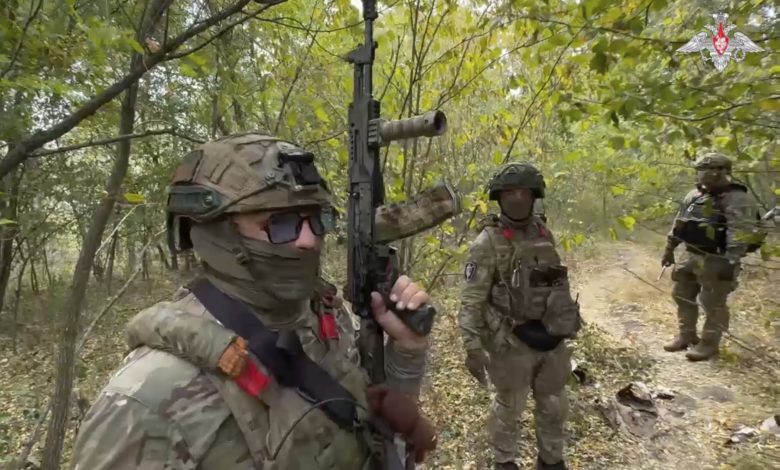
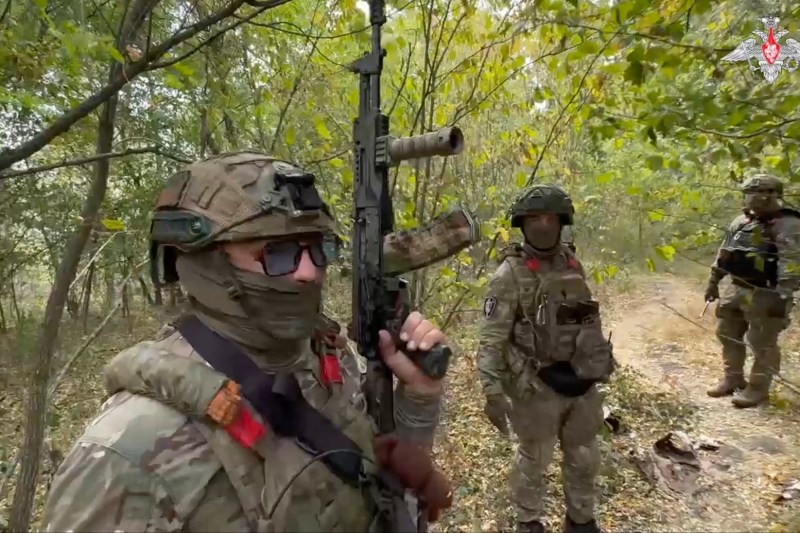
In this photo taken from a video record published by the Russian Defense Ministry, on September 23, 2024, Russian soldiers patrol on a route in the Russian-Ukrainian border area of the Kursk region, Russia. Photo source: Rusian Defense Ministry Press Service / AP / Profimedia
Heavy money, aggressive propaganda and a recruitment machine to the maximum. These are the tools with which the Kremlin manages to restore its army for the Ukraine war, according to American and European officials quoted by The Wall Street Journal, writes The Moscow Times.
According to American estimates, Russia is currently recruiting around 30,000 soldiers per month, 5,000 more than last summer. Other European sources advance even higher figures: up to 40,000 new monthly soldiers.
This rhythm not only covers the losses in Ukraine, but also allows the formation of new military units, which are currently trained on the Russian territory.
The mass recruitment is fueled by significant bonuses when signing the contract with the Russian Defense Ministry, costs that reach, according to researcher Janis Kluge of the German Institute for International Security, almost 2 billion (about 24.3 million dollars) of rubles per day.
From this huge amount, about 1.5 billion come from the regional budgets, the local authorities being pressed to meet the plans from Moscow. The remaining 0.5 billion is covered by the federal government.
The expenses for this “recruitment car” have increased almost five times compared to April 2024 and, if the current pace is maintained, by the end of the year they will cost the state budget 730 billion rubles, that is, half of the annual budget of higher education and twice as much as the national budget for health in 2025, the Moscow Times notes.
Last year, the Russian Defense Ministry managed to attract 440,000 people, ie about 1,200 people a day. Meanwhile, the value of the bonuses has increased significantly, in some regions reaching up to $ 20,000 per sold, an amount greater than the annual income of many Russians, stressed Likka Korhone, director of the Emerging Savings Institute within Finland.
George Barros, main analyst for Russia at the US Institute (ISW), estimates that the Kremlin can support this level of losses and recruitment for another 12-16 months. But, in the long term, the demographic crisis and budgetary limits will force Moscow to choose between austerity and a possible new round of general mobilization.