Wild boars with “neon blue” fat. What researchers suspect and why their meat should not be eaten

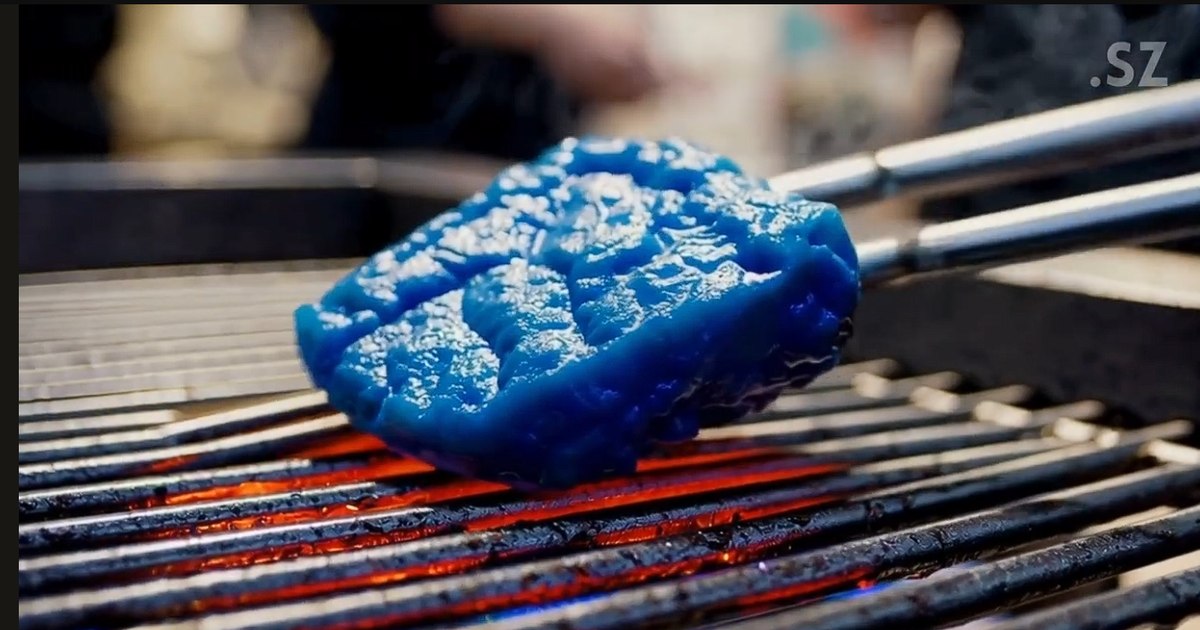
Authorities in California have issued warnings after some hunters in Monterey County – USA reported in 2025 several wild boars whose internal tissues had an unusual color, described as “neon blue”. The discovery raised suspicions about possible contamination, and further investigations confirmed the presence of a rodenticide (raticide) used in agriculture, according to ScienceAlert.
Dan Burton, a wildlife control specialist, pointed out to the Los Angeles Times that it was not a subtle shade, but a deep blue, “blueberry blue”.
Analyzes by local authorities showed that the animals had ingested diphacinone, a toxic substance used in rodent poisons, which are often colored blue for easy identification. However, the use of this compound is restricted in California from 2024.
Representatives of the Department of Fish and Wildlife warned that game animals – such as wild boars, deer, bears or geese – may be at risk of contamination if they have consumed rodenticides.
The substance, a first-generation anticoagulant, causes severe internal bleeding by blocking vitamin K recycling mechanisms. Although it breaks down faster than newer generation rodenticides, diphacinone can remain in animal tissues even after the meat has been cooked.
The effects of these substances propagate through the food chain
Similar cases have been reported in the past, and specialists draw attention to the fact that the effects of these substances propagate through the food chain. Predators such as cougars, foxes, birds of prey, or endangered species – including the northern spotted owl and the San Joaquin fox – have been found with traces of toxins in their bodies.
Repeated exposure to these substances can also affect human health, being associated with neurological, metabolic disorders and even certain types of cancer.
The blue dye seems to accumulate especially in the adipose tissue, while the meat remains pink.
Authorities in Monterey County observed wild hogs, omnivorous and highly adaptable animals, consuming both the poisoned rodents and the bait intended for them. The blue dye seems to accumulate especially in the adipose tissue, while the meat remains pink.
Experts point out that the widespread use of pesticides continues to cause significant damage to ecosystems, affecting non-target species and contributing to ecological imbalances.
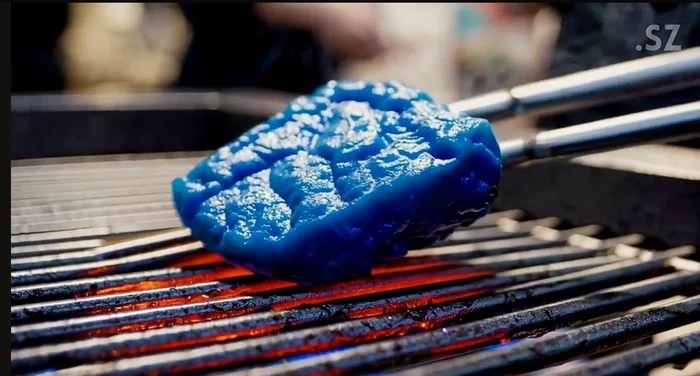
Contaminated meat seriously harms human health PHOTO capture YouTube SWEN dot SZ
Environmental organizations promote alternative methods of pest control, such as habitat management, physical barriers, traps or the use of natural predators.
The California Department of Wildlife encourages the public to report any wildlife that has abnormal coloring or other signs of contamination to the facility's specialized laboratory.