The head of the White House wants to make Cuba financially dependent on Washington.
The United States will essentially take the place of its former rival, the Soviet Union, which kept Cuba afloat until its collapse in 1991, the media writes.
According to one of the publication's sources, Trump and his closest allies want to replace Cuban President Miguel Diaz-Canel, accused of allegedly bringing the country's economy to collapse.
They are considering the candidacy of someone like Colonel of the Cuban Ministry of Internal Affairs Raul Guillermo Rodriguez Castro, the grandson of the former president of the country.
According to media reports, American officials have already held negotiations with him.
Castro has close family ties with a military conglomerate that controls a significant part of the Cuban economy, the media notes.
The US now regulates energy supplies to Cuba, allowing companies to sell fuel to small and medium-sized businesses, but not to the government. At a summit of Latin American leaders in Florida last week, Trump said Cuba was “in its last moments as it was.” A fragment of his speech was published by C‑SPAN on YouTube.
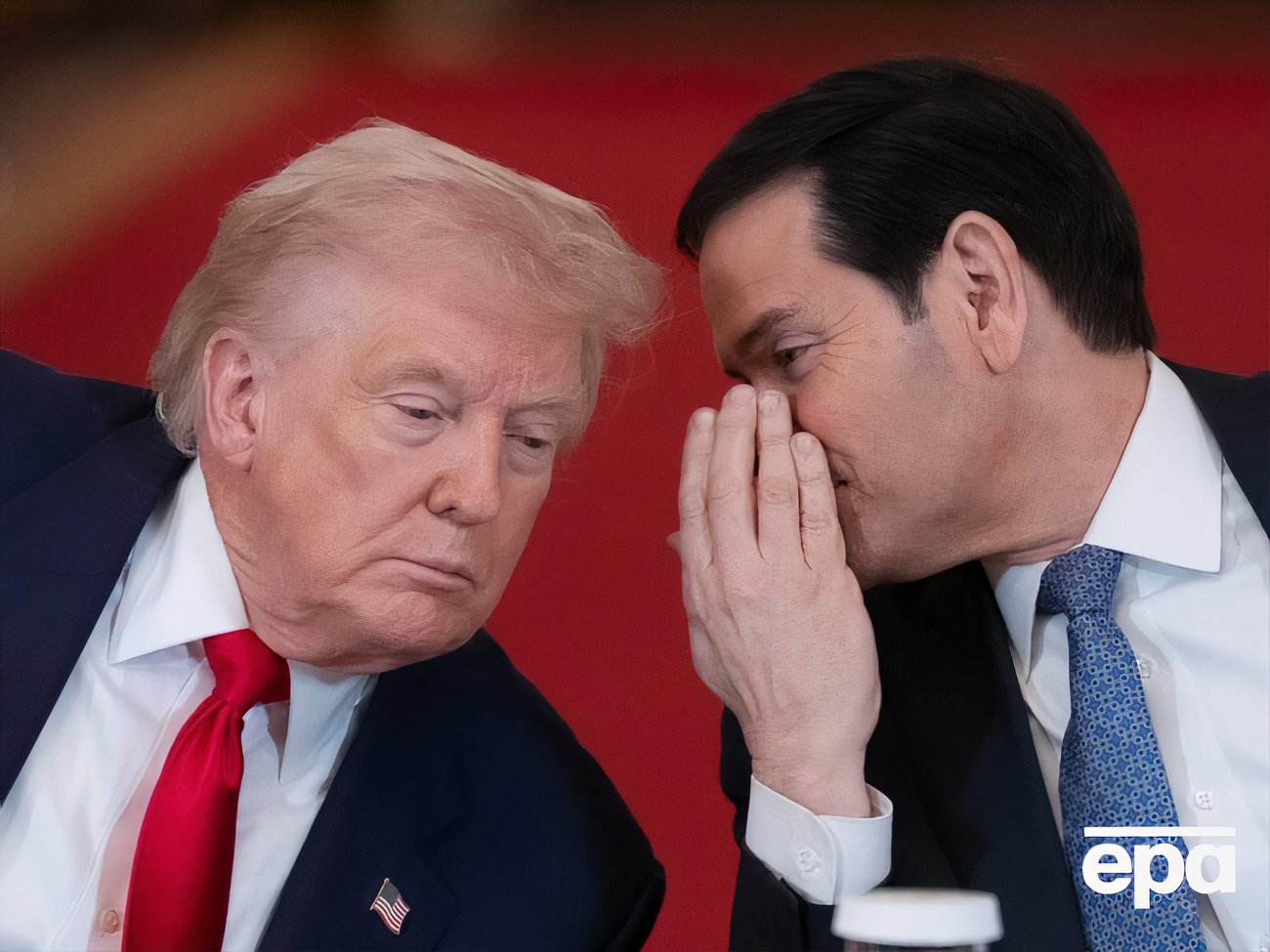
The head of the White House added that “now the main focus is on Iran,” but after that, US Secretary of State Marco Rubio “will take an hour break and then finalize the agreement on Cuba.”
Context
After the capture of Venezuelan President Nicolas Maduro, Trump said that Cuba had lived “for many years” on “a lot of oil and money from Venezuela,” but that now Venezuela “has the United States.” The head of the White House “strongly recommended” Cuba to “conclude an agreement before it is too late.” In response, the Cuban president said that the United States would not dictate to Cuba what it should do.
The media wrote that the United States was seeking to change the communist regime in Cuba by the end of the year. In particular, Washington intends to weaken it by cutting off the supply of oil that provides Cuba with electricity. Economists estimate that Cuba could be left without oil for several weeks, leading to a complete shutdown of the economy.
Cuba declared a state of emergency on January 30 after Trump threatened to isolate the island from oil supplies.
European diplomats have warned that the US pressure campaign against the Cuban government could trigger a humanitarian crisis on the island of about 10 million people, leading to mass exodus or even famine, Bloomberg noted.
In an interview with CNN on March 6, Trump said that Rubio would be involved in the process of the “fall” of Cuba.