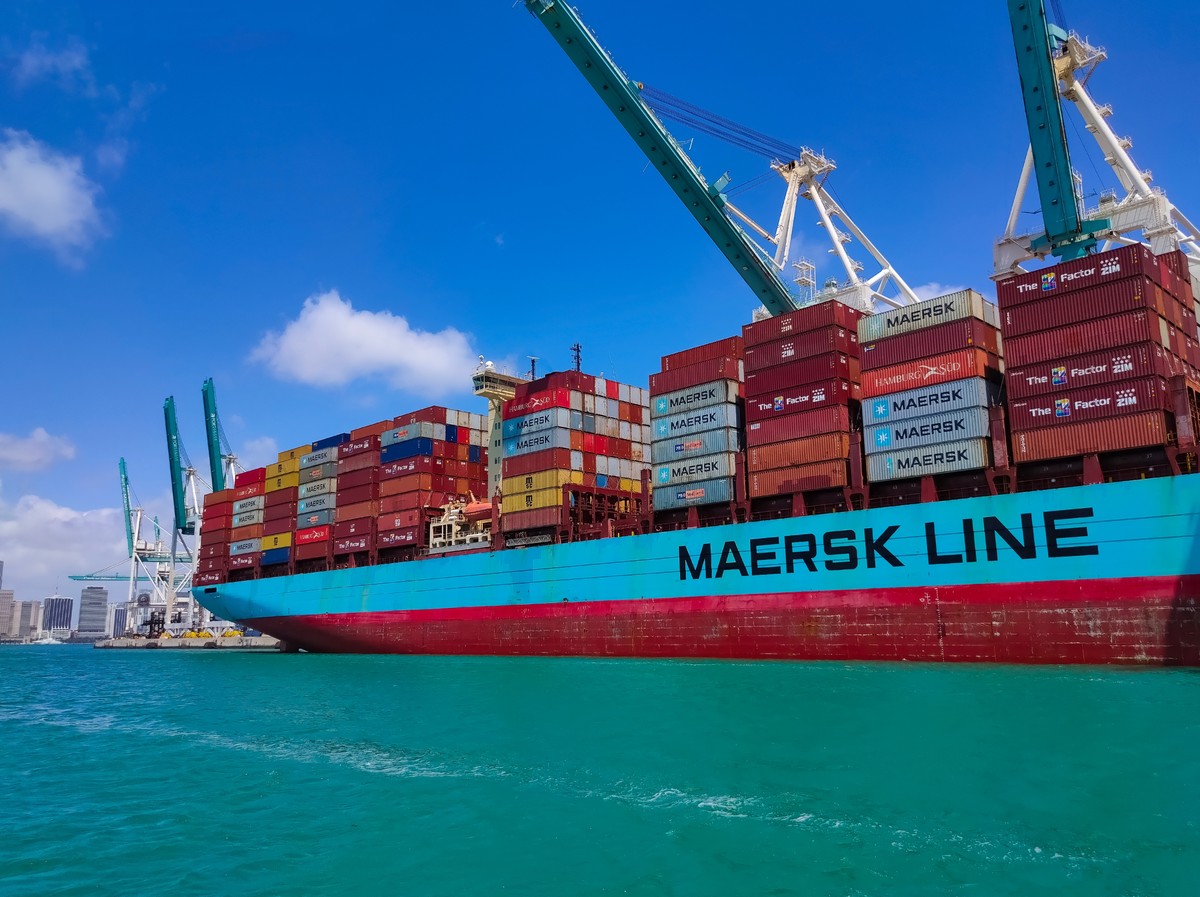
Two routes have been suspended: FM1, which connects China with the port of Jebel Ali in the United Arab Emirates, and ME11, leading from Spain and Morocco to the port of Jeddah in Saudi Arabia. The company said the decision was a precautionary measure in the face of the unstable geopolitical situation.
The text continues below the video
The conflict in the Persian Gulf is paralyzing trade
On February 28, tensions escalated when the United States and Israel launched attacks on Iran. In response, Tehran attacked the territories of Israel and the Persian Gulf countries, and then announced the closure of the strategic Strait of Hormuz. It is a key trade route that connects the Persian Gulf with the Arabian Sea and the Indian Ocean.
Already at the beginning of March, Maersk, like many other carriers, suspended routes through the Strait of Hormuz. This decision was dictated by concerns about the safety of ships in the region, which had become an arena of hostilities.
Read also: Oil prices soar after attacks in the Middle East. Strait of Hormuz almost empty
Impact on world trade
The closure of the Strait of Hormuz has had serious consequences for the global oil and gas market. Hundreds of tankers were blocked, and nearly 150 container ships were stuck in the waters of the Persian Gulf, including many operated by Maersk. The paralysis in maritime transport further complicates the economic situation in the region and around the world.
Air traffic was also paralyzed, although some airlines have already returned to flying, as we wrote in Business Insider Polska.
Read also: This is how the attack on Iran will affect Polish drivers. Experts warn