Crude oil is becoming more and more expensive. And the OPEC country has just turned off the tap

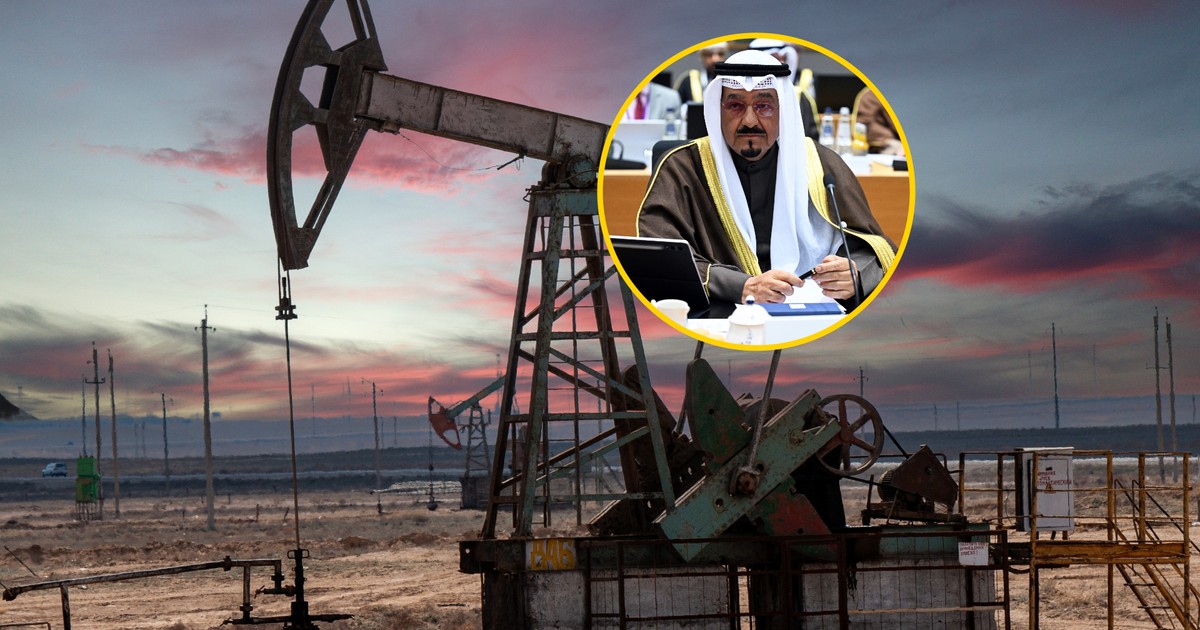
Kuwaitwhich is a founding member of the Organization of the Petroleum Exporting Countries (OPEC), began to reduce production crude oil and is considering further reducing its production and refining capacity to the level necessary to cover domestic consumption. A decision on broader cuts is expected within a few days, WSJ reported on Friday.
Continued below the video:
This is a signal of a growing storage crisis that poses new threats to the global market, notes the American newspaper.
He adds that shutting down an oil well involves high restart costs, which usually makes it a last resort. Resuming production can take days or even weeks, depending on the deposit.
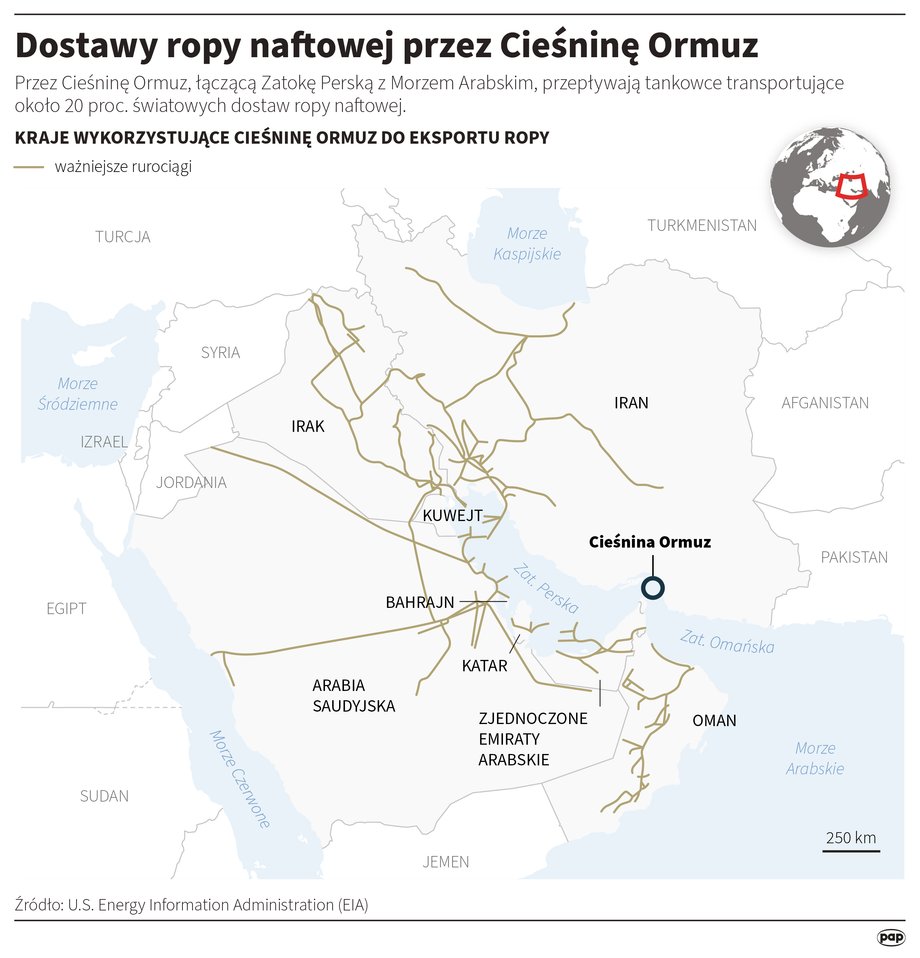
Strait of Hormuz
|
Adam Ziemienowicz / PAP / photos
See also: The world looks at Iran and holds its breath. What will investors do tomorrow?
The oil crisis is growing
Energy market analyst firm Kpler said it saw signs that Kuwait had begun to cut production, adding that the country would have to cut production even further in the coming days as otherwise, warehouses will fill up in approximately 12 days.
As analysts have previously warned, in the wake of war in the Middle East, Kuwait could be Gulf oil producers forced to cut production if they are unable to export oil through the Strait of Hormuz.
See also: Trade between Asia and Europe is at risk. Maersk responds to the escalation of the conflict
Oil price. The blockade of the Strait of Hormuz drives up fuel prices
Reuters reported that shipping through the Strait of Hormuz – the narrow border crossing between Iran and Oman through which about one-fifth of the world's demand for crude oil and liquefied natural gas flows – has been almost completely halted after Iranian attacks on at least six ships since the crisis began.
For the EU, and therefore also for Poland, the main threat is not the lack of security of oil and gas supplies from the Middle East – write analysts of the Polish Economic Institute. In their opinion a bigger problem may be the price we will have to pay for these raw materials.
Qatar's Energy Minister Saad al-Kaabi warned in an interview with the Financial Times that the prolonged conflict could lead to the suspension of energy exports from the entire Persian Gulf region within a few weeks. According to him, in such a scenario oil prices could even increase to around $150. per barrel.
OPEC and oil prices
The conflict sparked by US and Israeli attacks on Iran threatens to amplify the rise in oil prices. On Sunday, the day after the attack, OPEC+ agreed to slightly increase oil production next month.
“Saudi Arabia, Iraq, Kuwait and the United Arab Emirates started increasing oil exports last month. Whether they will be able to continue this trend may ultimately depend on the situation in the Strait of Hormuz, where maritime traffic has been limited to a minimum due to the conflict,” Bloomberg wrote on Sunday.
However, there has been a drastic reduction, and even – according to some media reports – a complete blockage of the strait, which is used by almost 30 percent. world supplies of raw material.
Source: Wall Street Journal, Reuters