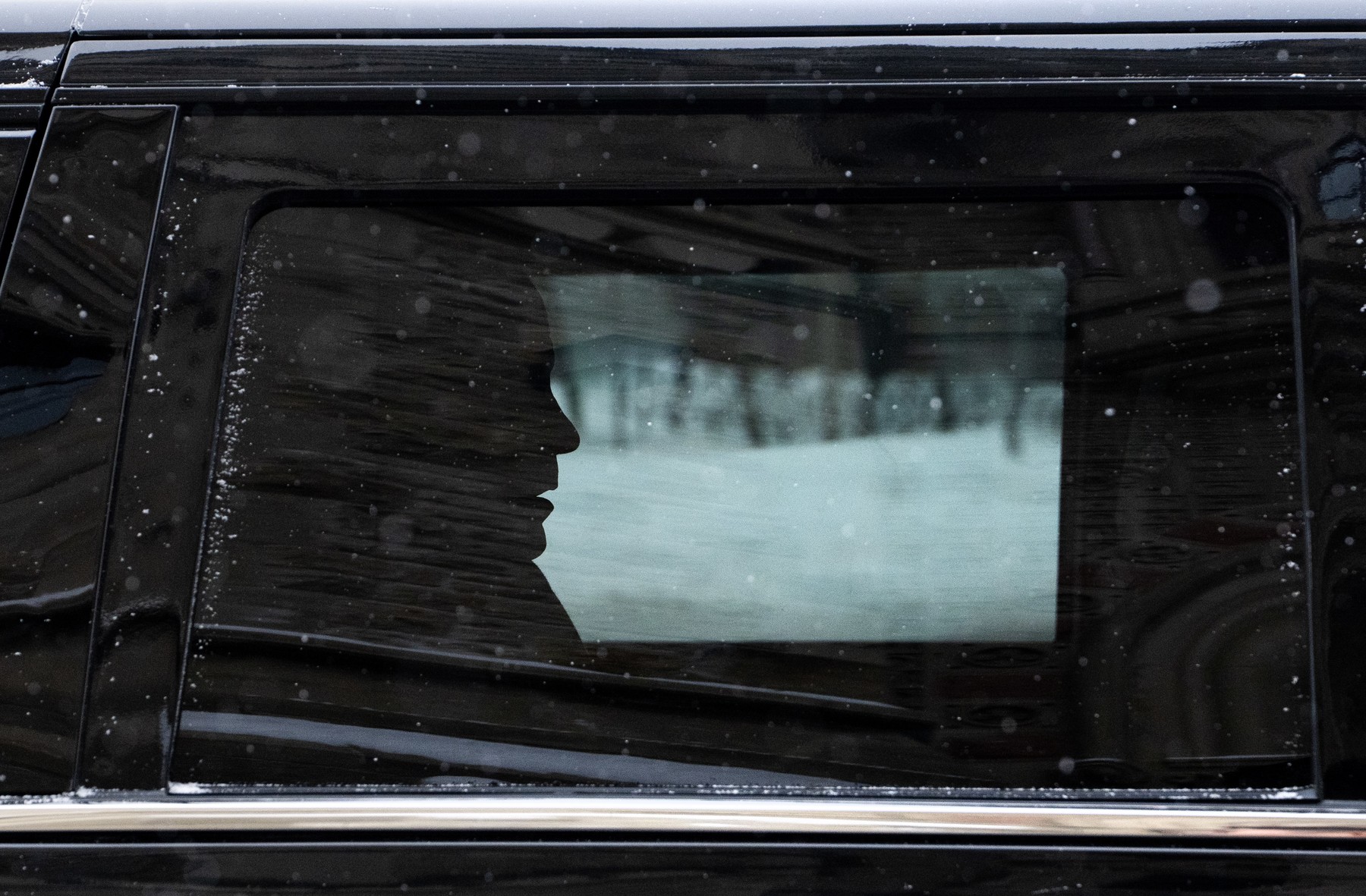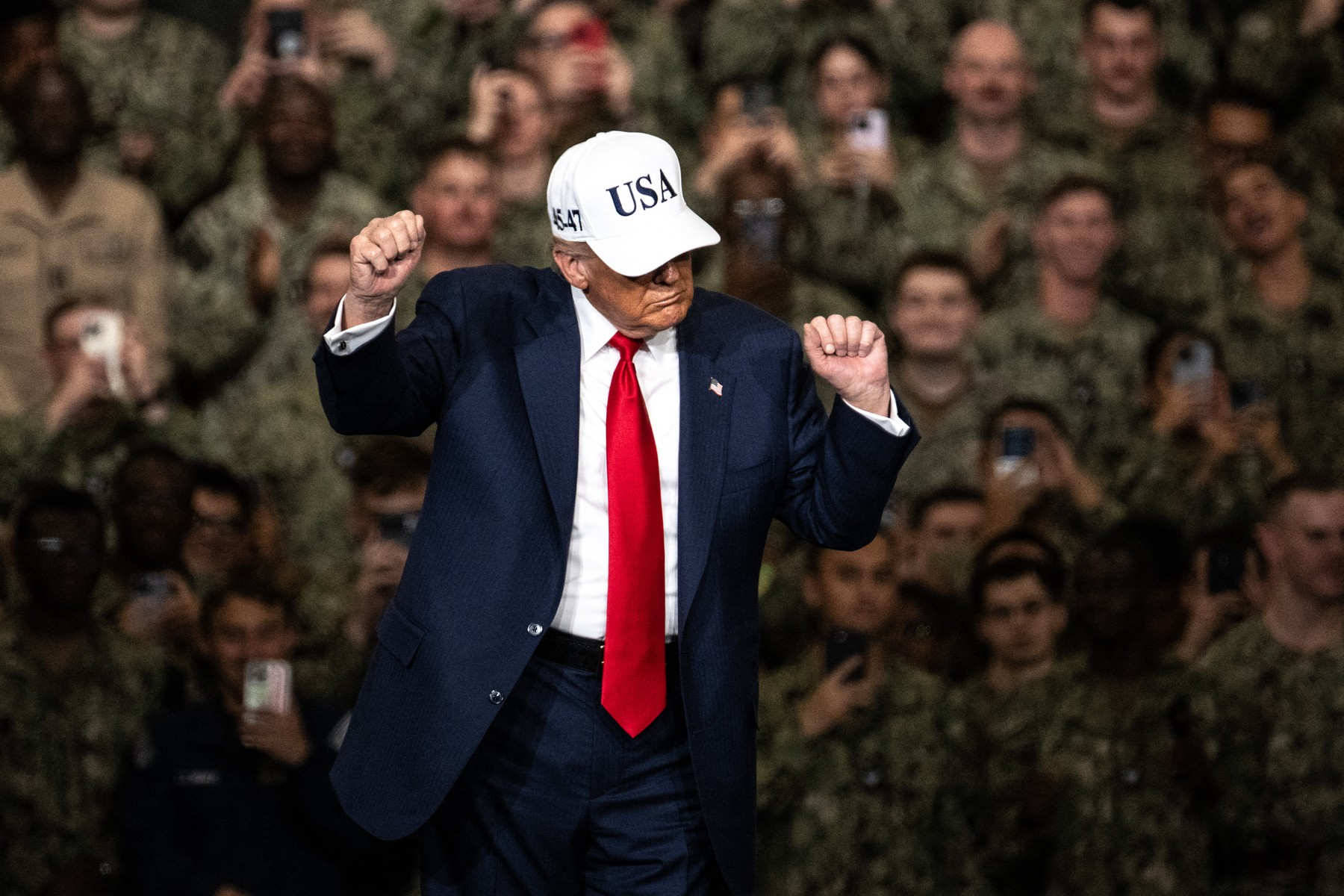
Praised by some for the decision to launch the military intervention and for the first successes – the decapitation of the Tehran regime – President Donald Trump is instead criticized by Democrats, some Republicans, voices from the MAGA world and liberal newspapers, such as the New York Times or The Guardian.
Donald Trump's decision to launch a war on Iran without much explanation to Americans — and Congress — has fueled fierce domestic backlash among the political class.
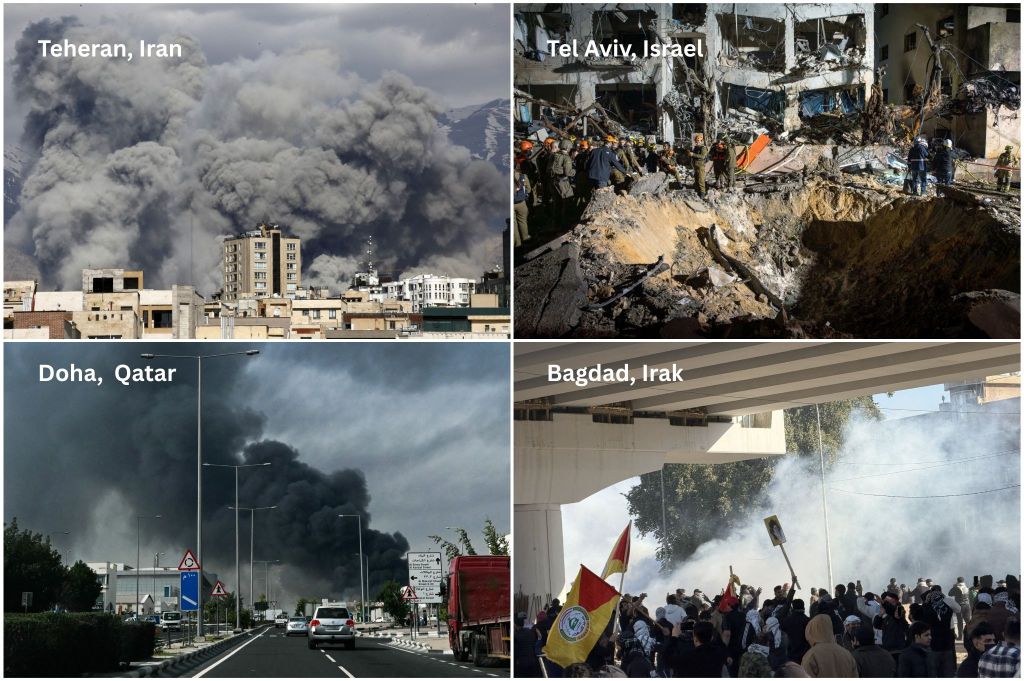 LIVE The second day of war. Israel strikes central Tehran / Iran announces “most ferocious offensive operation” / Explosions in several countries / “Dozens of Iranian leaders killed”
Critics noted that the president avoided talking too much to the public about Iran in his State of the Nation address on Tuesday night, instead offering an eight-minute video clip on Saturday morning as US forces were already launching strikes.
Senate Democratic leader Chuck Schumer called on Congress to convene and the administration to brief senators on the military intervention, while Democrat Mark Warner, a Virginia senator and vice chairman of the Select Intelligence Committee, called the strikes “a decision with serious consequences that risks drawing the United States into another major conflict in the Middle East.”
Senator Ruben Gallego, Democrat of Arizona, also condemned the action as “illegal”.
And Thomas Massie, a Republican in the House of Representatives, emphasized that he does not agree with the war: “This is not America first.”
Two resolutions, initiated with bipartisan support, were scheduled for a vote in the Senate and House of Representatives, aimed at preventing Trump from launching a war on Iran without congressional approval.
Massie, who sponsored the House resolution with Democrat Ro Khanna, wrote on X that he would work with his colleague to force a vote on the Iran war.
Rumor in the MAGA world
In a harsh reaction to ABC News, journalist Tucker Carlson — a supporter of Trump's MAGA movement — also slammed the military intervention on Saturday, calling it “disgusting and evil.”
Carlson's comments reflect a widespread view among many of Trump's supporters that the “America first” foreign policy he promotes should preclude open-ended military involvement, such as the 2003 invasion of Iraq, which the president himself has repeatedly criticized as a mistake.
Carlson was not the only one in the MAGA world to criticize the war.
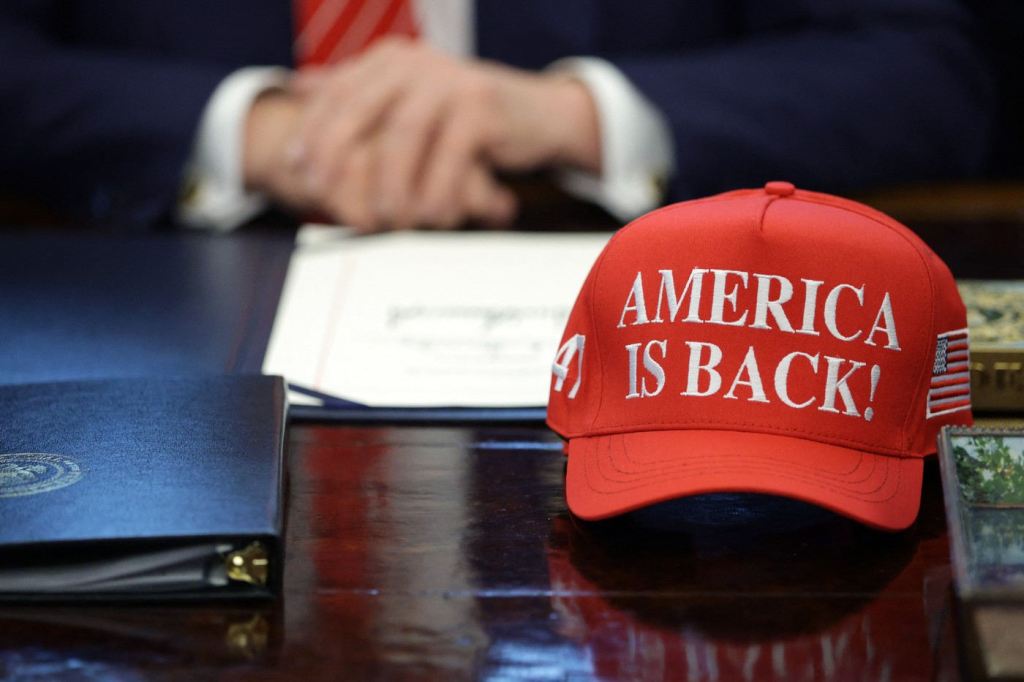 “The End of MAGA”. Trump supporters explode with anger after US attack on Iran: 'It's so bad, disgusting and vile'
But Lindsey Graham, the Republican senator from South Carolina and a staunch Trump supporter, praised the attacks in glowing terms, calling them a historic turning point.
“The end of the largest state sponsor of terrorism is near. God bless President Trump, our military and our allies in Israel,” he wrote.
“Trump's attack on Iran is reckless”
If the positions of the columnists on Fox News were encouraging for Trump – one saying that “history is on the side of the president” – the position of the daily New York Times was a much more critical one.
“Trump's attack on Iran is reckless,” captioned the text assumed by the newspaper's editorial board.
“On the 2024 presidential campaign, Donald Trump promised voters he would end wars, not start them. But in the past year, he has ordered military strikes in seven countries. His appetite for military intervention is growing accordingly,” observed the New York Times.
Journalists noted that Trump launched the military intervention without seeking congressional approval and without explaining to Americans what his goals were.
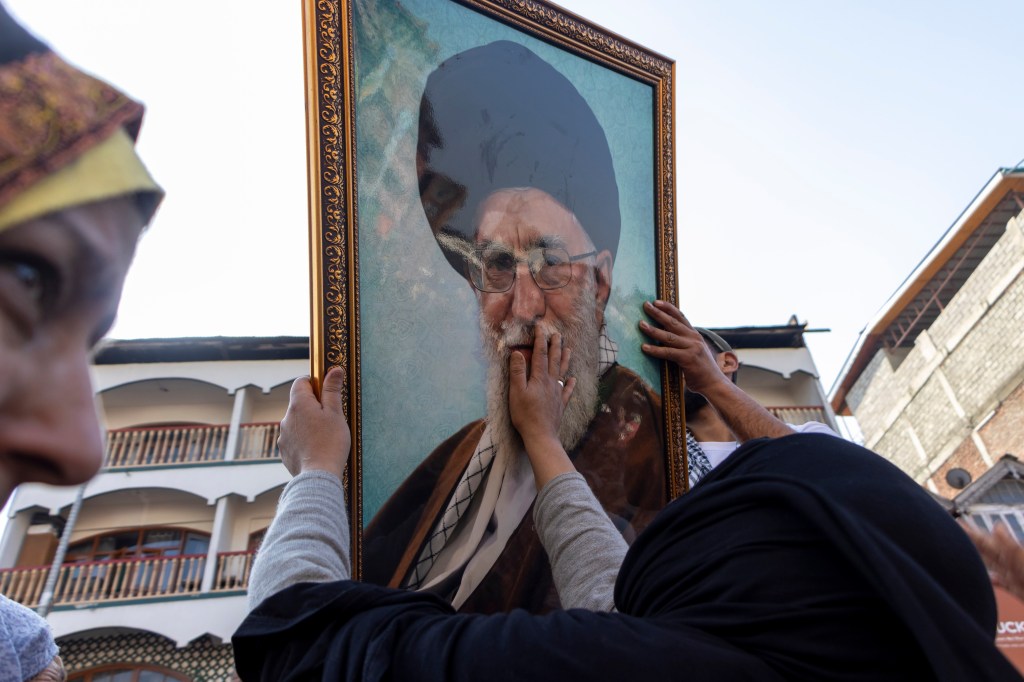 The Iran Attack: How the US and Israel Tracked down and Killed Ayatollah Khamenei. Usually, at that time, they do not attack / To whom they showed the photo
“Trump's approach to Iran is reckless. His goals are unclear. He has failed to garner the international and domestic support necessary to maximize the chances of a positive outcome. He has ignored both domestic and international laws of war,” the New York Times journalists wrote.
The editorial fully acknowledges the toxicity of the Iranian regime and does not mourn the death of Ali Khamenei, but even admits that to prevent Tehran from obtaining nuclear weapons, military intervention may be necessary.
But he also points out that Trump assured last year that the nuclear facilities had been completely destroyed, “a contradiction that underscores how little importance he places on his obligation to tell the truth when engaging the U.S. armed forces in combat.”
“Trump's failure to articulate a strategy for this attack has created a shocking level of uncertainty. The attack succeeded in killing a brutal dictator, but it remains unclear what will come next,” writes the New York Times.
“An irresponsible invitation to anarchy and chaos”
Across the Atlantic, conservative publications such as The Telegraph encouraged Trump to finish the job and remove the Iranian regime entirely.
Simon Tisdall, a foreign policy commentator for The Guardian, noted, however, that like his predecessors, Trump used lies and exaggerations about the Iranian threat to justify the attack, thus ignoring international law and public opinion.
The commentator writes that Trump manufactured a crisis, based on lies, and effectively put himself in a dead end situation by mobilizing the Middle East military while using diplomatic negotiations as a charade.
Tisdall also doesn't take kindly to Trump's invitation to Iranian protesters to reclaim their country, noting that it's unclear whether such regime change is possible yet.
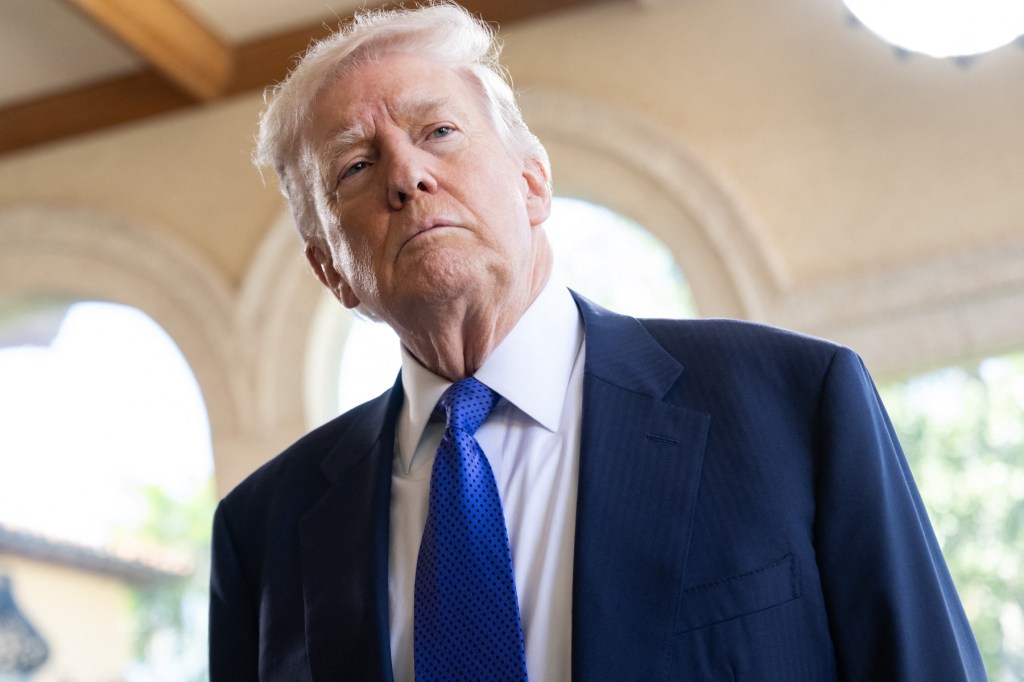 After the US attack on Iran, one of Trump's biggest critics, who had made him a “useful idiot”, now admits that he “made the most important decision”. How the Americans are helping Israel defend Tel Aviv
Moreover, he says, this call “is an irresponsible invitation to anarchy and chaos. It could trigger the fragmentation of the Iranian state into its many ethnic and religious components and a catastrophic civil war that would draw in states in the region.”
“We cannot know where this reckless attack will lead, but new seeds of hatred will be sown, new terrorist reprisals will follow, and ultimately little will be achieved,” he wrote.
The Guardian's Washington correspondent, David Smith, was equally critical of the military intervention. “Trump is competing with Bush for the worst foreign policy decision in history,” he wrote.
In the spotlight was the entire clip posted by Trump.
“In the space of eight minutes, Trump overturned half a century of American foreign policy, abandoned his campaign promise to avoid the risk of endless wars and left FIFA chief Gianni Infantino to explain why he awarded Trump a made-up peace prize,” wrote The Guardian journalist.
Bush, Smith wrote, dragged the US into a tragic war in Iraq in 2003 that cost hundreds of thousands of lives and trillions of dollars and was recently named by the Council on Foreign Relations think tank as the worst foreign policy decision in history.
“Trump seems determined to claim that title with another act of regime change in the Middle East,” writes The Guardian journalist, noting that, unlike Bush, Trump has not even bothered to justify military intervention.
Smith also quoted Democratic Sen. Ruben Gallego, an Iraq war veteran, who responded to Trump's warning that some American servicemen may lose their lives.
“The draft dodger is willing to sacrifice working-class children. How generous of him!” Gallego said.