Tankers at the gates of the Strait of Hormuz. There is new information after the attack on Iran

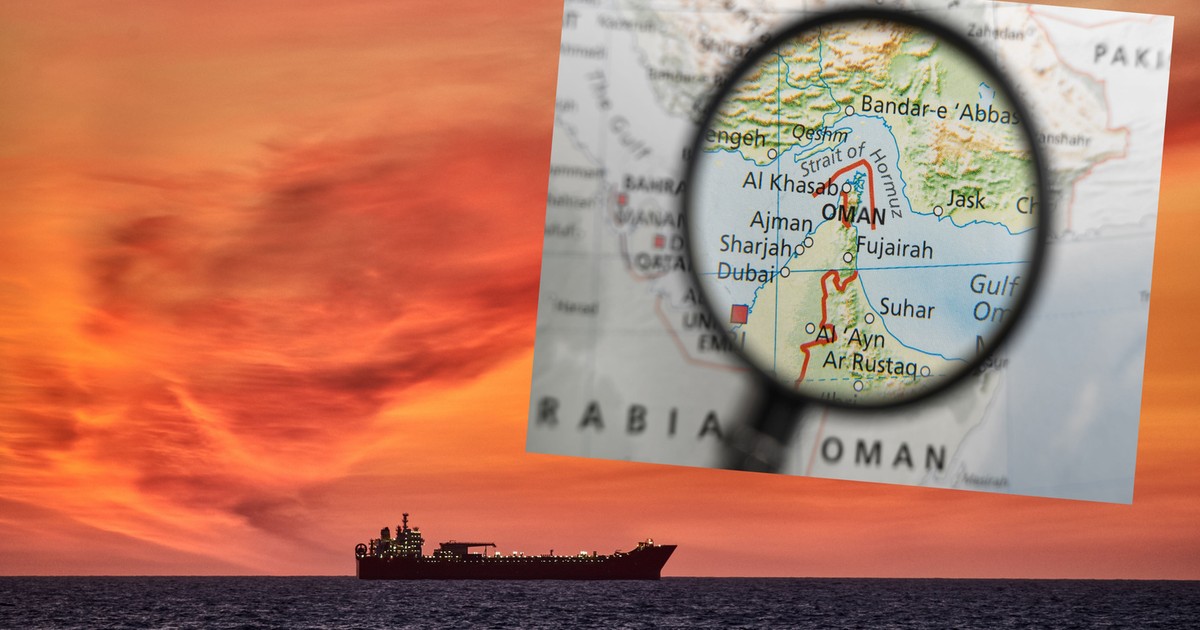
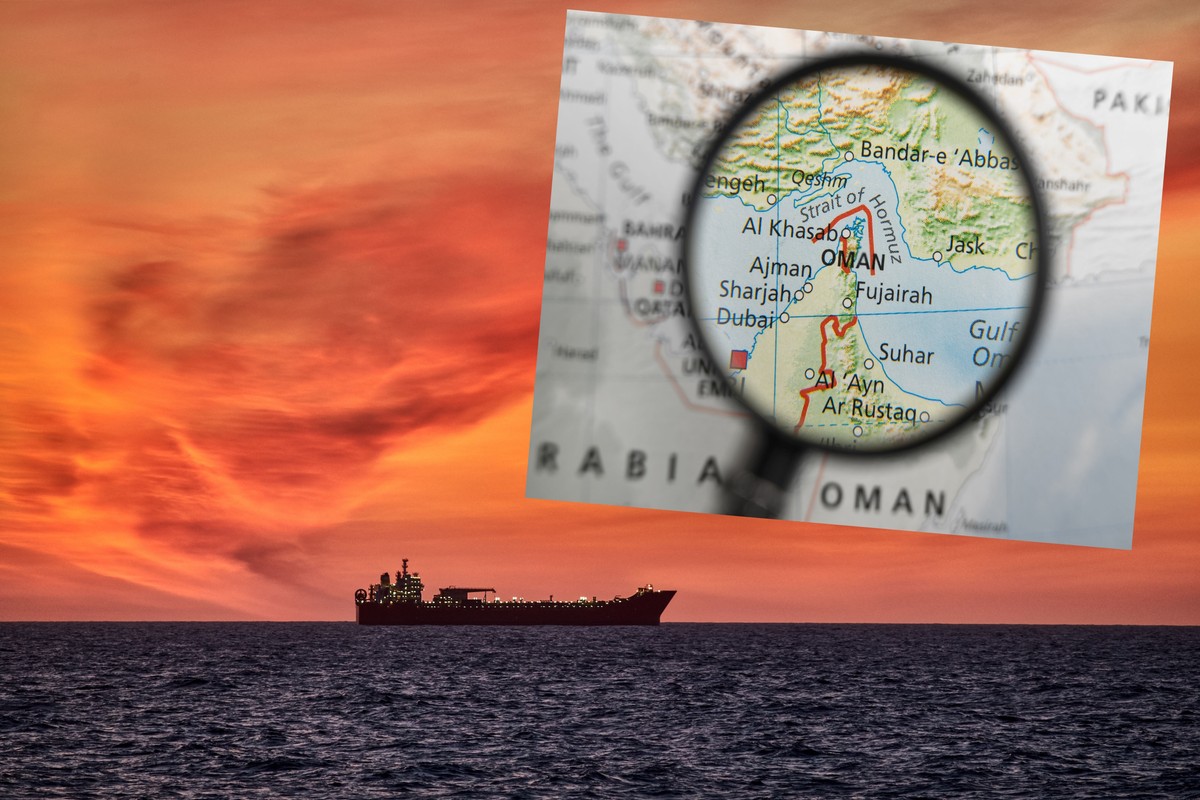
Although the section of the route formally remains open and some ships – including several fuel tankers – still overcomes it, unit owners remain extremely cautious. Bloomberg's interlocutors assessed IRGC statement as a de facto closure of the strait.
The rest of the text below the video
Read also: We are facing a “global recession”. These may be the consequences of the war in Iran
Strait of Hormuz after the attack on Iran. This has an impact on the global energy sector
For years, Hormuz has been considered one of the most important hotspots in the global oil trade. Every day, between one-fifth and one-third of the world's maritime transport of oil and a significant part of natural gas supplies pass through here. This is the only sea route for exporting raw materials to Iran, Saudi Arabia, the United Arab Emirates, Bahrain, Kuwait and Iraq.
According to data from the consulting company Kpler, in 2025 More than 14 million barrels of oil flowed through the strait per day, about three quarters of which went to China, India, Japan and South Korea. CNBC emphasized that the same China obtains half of its imported oil from Hormuz.
Read also: There is an OPEC+ decision on oil
Limited alternatives and rising oil prices
There is little scope for redirecting supplies. Saudi Arabia has a pipeline to the Red Sea coast, and the UAE has a connection to the Gulf of Oman, bypassing Hormuz. However, the total capacity of these routes is only 16-17%. average throughput of the strait.
After the US and Israeli airstrikes began, oil prices rose over the weekend – by up to 12%, depending on the type of raw material. At least three LNG tankers traveling to or from Qatar have suspended sailings. Qatar is the world's second largest LNG exporter and accounts for approximately 20%. global supplies.
Bob McNally, a former White House energy adviser, was quoted by CNBC as warning that a long-term closure of Hormuz could trigger a global economic slowdown, fueled by a sharp rise in oil prices.