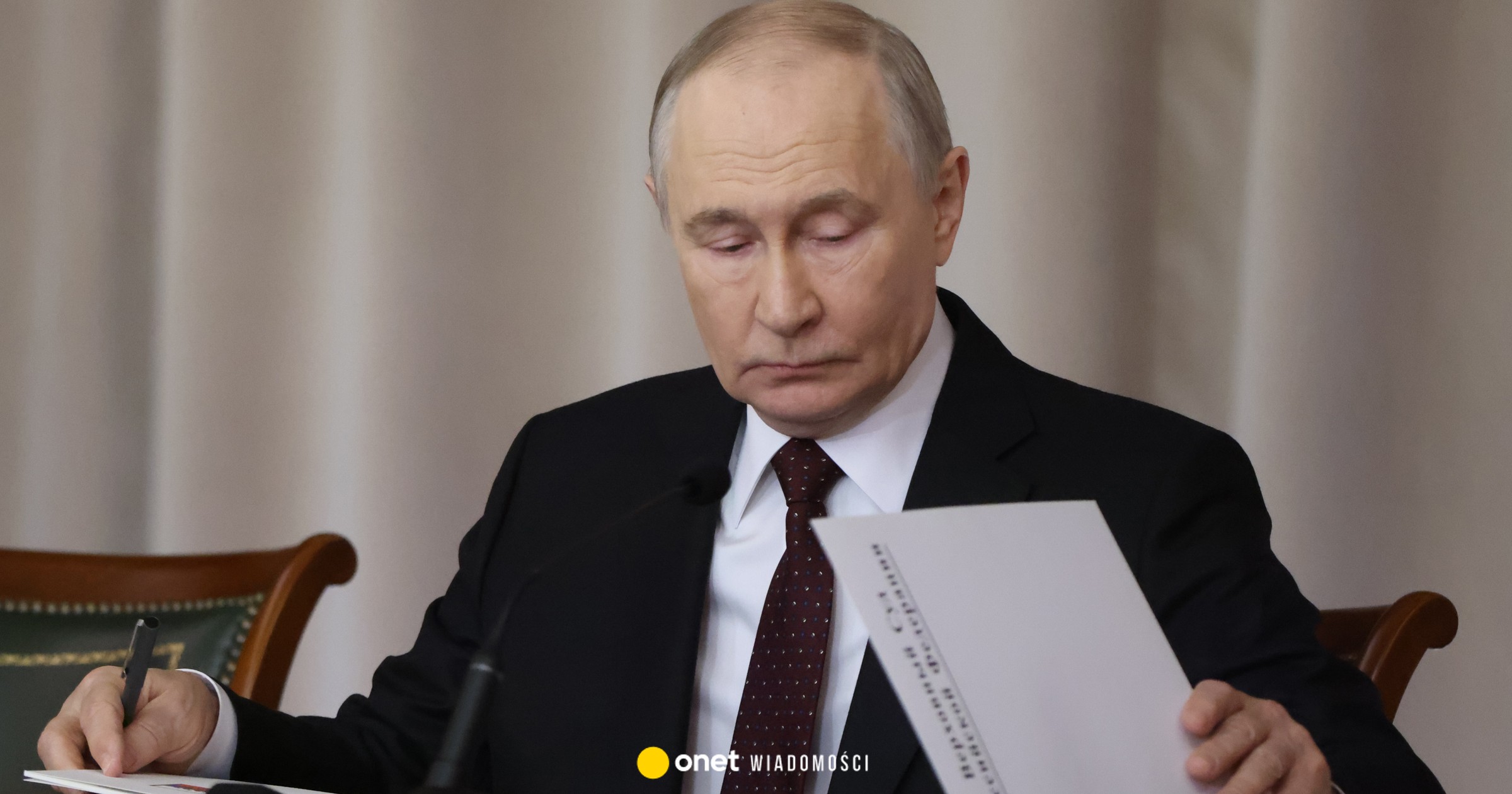
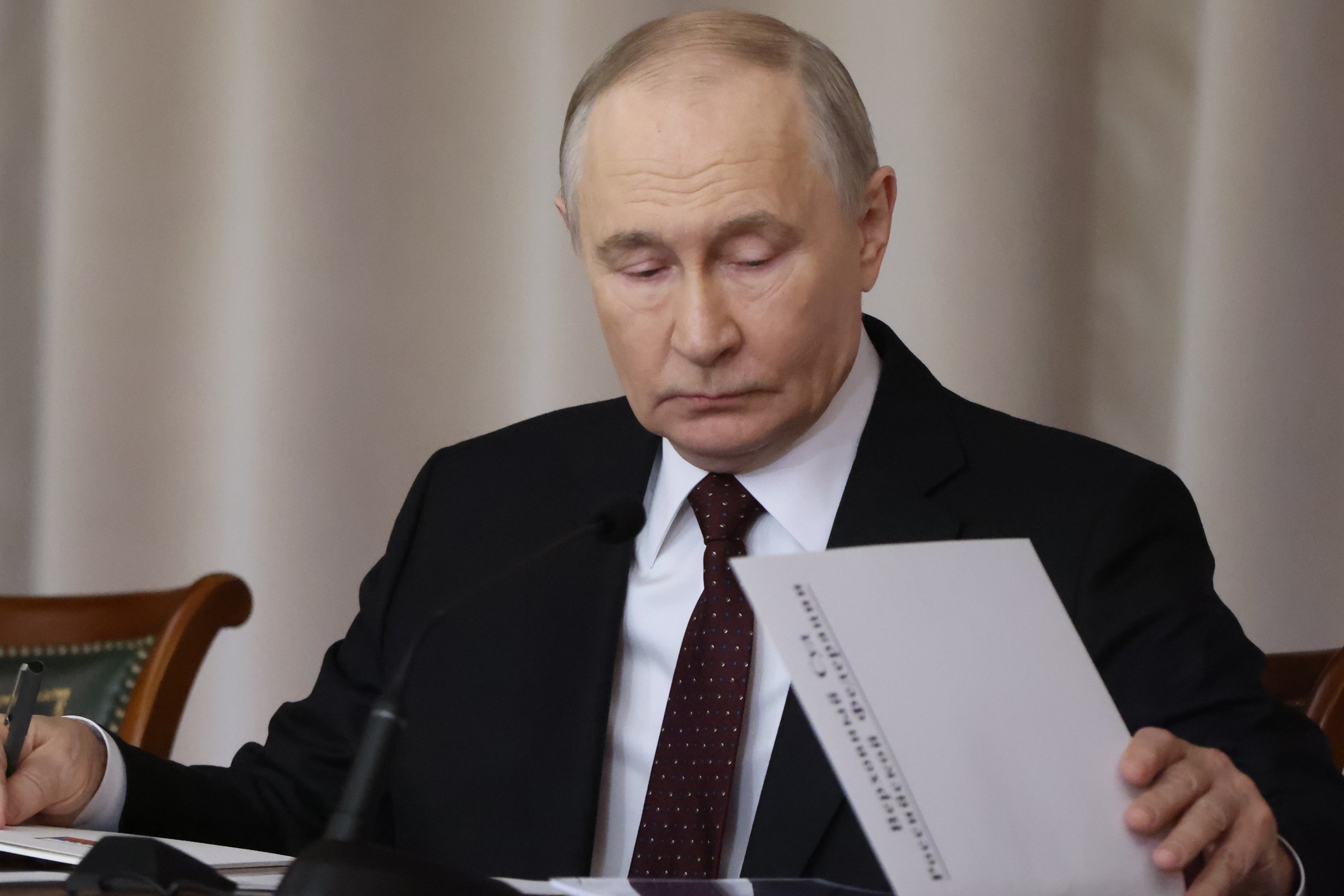
The breakthrough moment here was the Western sanctions on the giants of the energy sector. However, this does not mean that the Russian economy will soon collapse or that we can afford to become complacent. This means that the pressure on Moscow is working and should be intensified. Also regarding the approach to Ukraine.
Rachel Reeves is the British Chancellor of the Exchequer and Elisabeth Svantesson is the Swedish Minister of Finance.
Four years ago, Russia illegally attacked Ukraine, violating peace in Europe and undermining global security.
Since then, Vladimir Putin's propaganda machine has been working at full speed to spread the word false image of a strong Russian economy. It is now clear that the country is not doing as well as official statistics suggest.
A report commissioned last year by the Swedish government showed signs of growing imbalances in Russia's economy. The document suggested that key economic indicators such as inflation and real GDP growth were likely manipulated.
We have since gained access to intelligence that confirms that the Kremlin is deliberately lying to the world about the state of the Russian economy.
Russia's economy is the weakest since the beginning of the war. The situation is likely to deteriorate further over the next year.
Putin wants to undermine international support for sanctions and present Russia as strong. By exaggerating threats and pointing to the problems of other markets, it tries to divert attention from the difficulties its own population is facing as a result of the illegal invasion. Inflation caused by the Kremlin's spending on the war in Ukraine now means that Russian households are cutting back on food spending under the weight of rising costs.
Pressure on Russia
Four years after Russia's illegal invasion, the determination and courage of the Ukrainian people have not weakened, and our determination to defend peace and security remains unwavering.
We focused on Russia's energy revenues, which have fallen by a third since the latest sanctions against Rosneft and Lukoil were announced. We also welcome the fact that the EU has reached an agreement on a complete ban on Russian gas imports and that the UK has committed to a complete maritime services ban on Russian liquefied natural gas (LNG).
The article continues below the video
Now it is important to continue to increase pressure on Russia's oil exports. Therefore, we should strive for a complete ban on maritime services for all Russian exports of crude oil and refined products.
Reducing Moscow's remaining revenues will further weaken its ability to finance the war.
It is already clear that a significant part of the National Welfare Fund of the Russian Federation — financial reserve used to finance everythingfrom pensions to roads – was used to cover the costs of the war. The Kremlin has stopped drawing funds from this budget and is instead relying on banks to buy government bonds, increasing the national debt. The remaining funds will not even be enough to cover the projected budget deficit for 2025.
Need for further action
The Russian economy is collapsing. Spending increased while exports and revenues decreased. The fund is being depleted and banks and ordinary Russians are being forced to finance the invasion. We estimate that Russia lost over $450 billion. (at the current exchange rate PLN 1.6 trillion) due to international sanctions, which constitutes the equivalent of four years of the war budget.
This does not mean that the Russian economy will collapse any time soon or that we can afford to become complacent. This means that the data proves that the pressure on Moscow is working and should be intensified.
That's why this week Britain announced the largest package of sanctions since the first months of the 2022 invasion, restricting the activities of Russian banks, the liquefied natural gas industry and international suppliers involved in maintaining Putin's war machine.
In addition to continuing to put pressure on the Russian economy, we must provide Kiev with the financing it needs to fight. We welcome the December decision of the European Council to grant Ukraine a loan of EUR 90 billion (PLN 380 billion). This is an extremely important step, and much-needed support must reach Ukrainians as soon as possible. Maintaining European unity is crucial to bringing us closer to a just and lasting peace.
Strengthening the position of Ukraine constitutes a clear signal to Putinthat it cannot wait until Ukraine surrenders. We cannot allow ourselves to be intimidated by Putin's threats and allow Russia to dictate our actions.
We should take all possible steps to increase pressure on the Russian economy and strengthen Kiev's position. Only then will Russia abandon the illegal war and take significant steps towards a just and lasting peace.
The UK and Sweden are united in their support for Ukraine.
I’m Ashley Davis as an editor, I’m committed to upholding the highest standards of integrity and accuracy in every piece we publish. My work is driven by curiosity, a passion for truth, and a belief that journalism plays a crucial role in shaping public discourse. I strive to tell stories that not only inform but also inspire action and conversation.