The far-right Alternative für Deutschland (AfD) party is facing a series of nepotism allegations that risk damaging its image as an “anti-establishment” party in a crucial election year for Germany.
AfD has become the main opposition force in Germany/FOTO:X
The AfD has become the main opposition force in the country, presenting itself as an alternative to what it calls the “old parties” – the mainstream formations in power over the past decades, which it accuses of hidden interests and non-transparent practices.
But, in what the Germans called a “Superwahljahr” – a year with five regional elections and numerous local polls – the party is in turn accused of resorting to practices similar to those it criticizes, writes politico.eu.
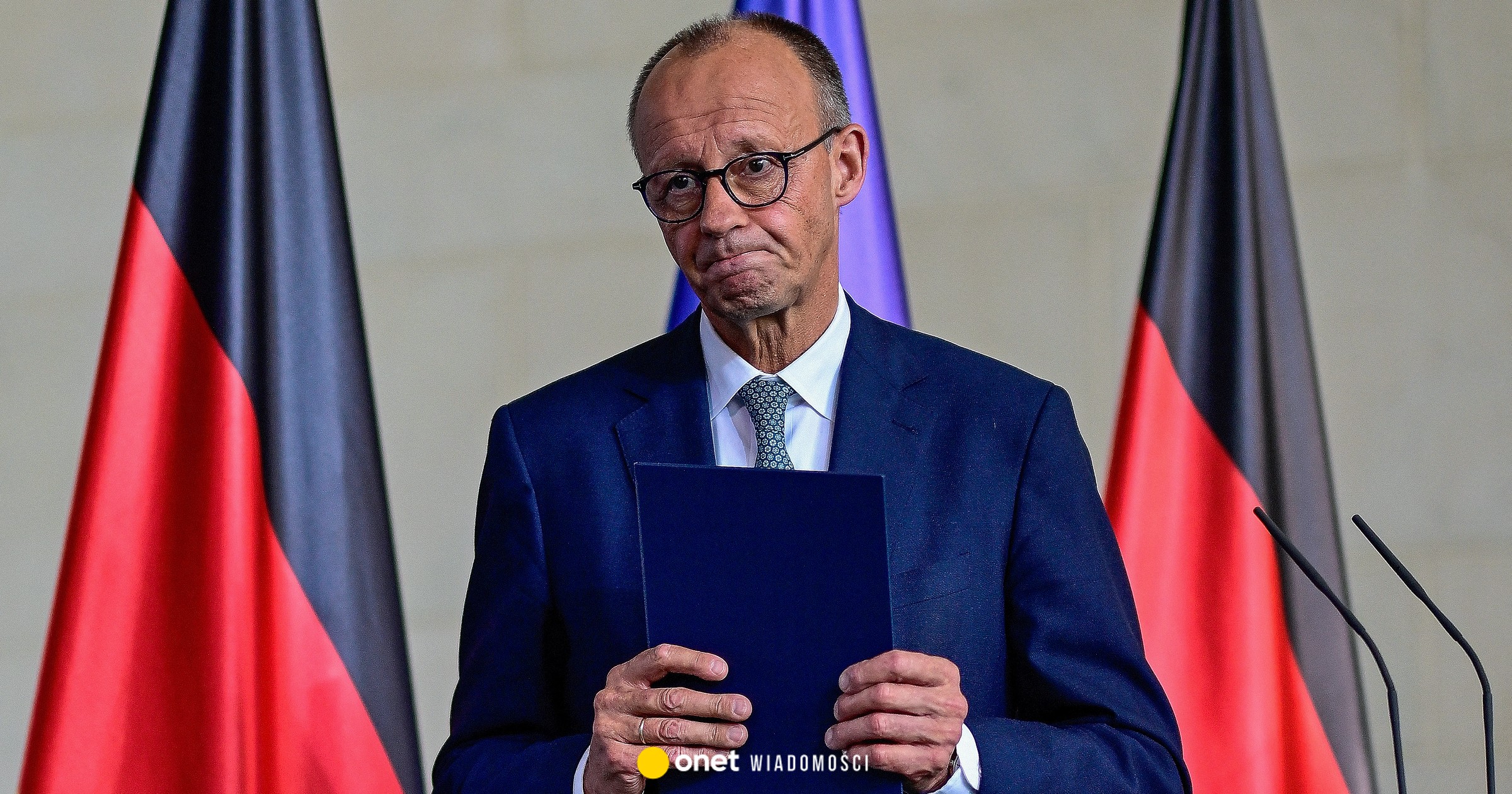
German Chancellor Friedrich Merz, whose conservative bloc is tied with the AfD in national polls, directly attacked the far-right group. In an interview with Die Rheinpfalz, he said that the AfD must not only be fought on political grounds, but also by dismantling its image as a party of “clean people”, claiming that the formation is marked by “deep-rooted cronyism and nepotism”.
The first allegations emerged in an investigation broadcast on German public television earlier this month. According to her, two AfD politicians in the state of Saxony-Anhalt – including the party's main candidate in regional elections on September 6 – allegedly had family members employed in the office of an AfD deputy in the Bundestag.
Later, the press reported almost daily about similar cases in four other regional organizations of the party, as well as in the European Parliament. Under current rules, German MPs cannot hire relatives or partners at taxpayer expense, but there is no explicit ban on hiring relatives of other MPs.
The AfD leadership rejects the accusations
Party co-chair Alice Weidel said all cases were being looked into and that the allegations in the media were “unfounded and exaggerated”. The other national leader, Tino Chrupalla, said no law had been broken, although he admitted such practices could leave “a bitter taste” among voters. A few days after these statements, he admitted on the X platform that he employs the wife of an AfD regional parliamentarian.
One of the most publicized cases concerns Ulrich Siegmund, the AfD's main candidate in Saxony-Anhalt, where the party is credited in polls with around 40% of voting intentions. The AfD hopes to obtain an absolute majority here for the first time since its founding in 2013.
According to the initial investigation, Siegmund's father would earn around 92,000 euros a year as an employee of the AfD federal deputy Thomas Korell, who would also employ the parents of another regional parliamentarian. Korell's office did not comment on the information, citing data protection rules.
Siegmund did not publicly deny his father's employment. In a video message, he argued that hiring relatives is justified because many professionals avoid working for the AfD because of the stigma and the party needs “reliable” people. A few days later, he called the allegations “fake news” and part of a smear campaign aimed at hindering the party's rise.
In the regional parliament of Saxony-Anhalt, representatives of other parties announced that they are considering changing the regulation to prohibit the employment of relatives of fellow parliamentarians.
What do the polls say?
So far, polls show no waning support for the AfD, including in its strongholds in the former East Germany. Anna-Sophie Heinze, a researcher at the University of Trier, says the party's electorate is “consolidated and convinced” and the AfD is in a favorable strategic position.
However, internal tensions seem to be rising. About 150 AfD members in Saxony-Anhalt called for an extraordinary congress to discuss the issue of hiring relatives before the election. However, the regional leadership has announced that it will create a commission to develop recommendations on employment standards.
And voices from the radical zone close to the party expressed their concern. Far-right activist Götz Kubitschek wrote online that while little can threaten the AfD from the outside, the party can cause “serious damage” to itself through its own actions.
In a decisive election year, accusations of nepotism test not only the AfD's internal discipline, but also the solidity of its image as an alternative to the German political establishment, notes politico.eu.