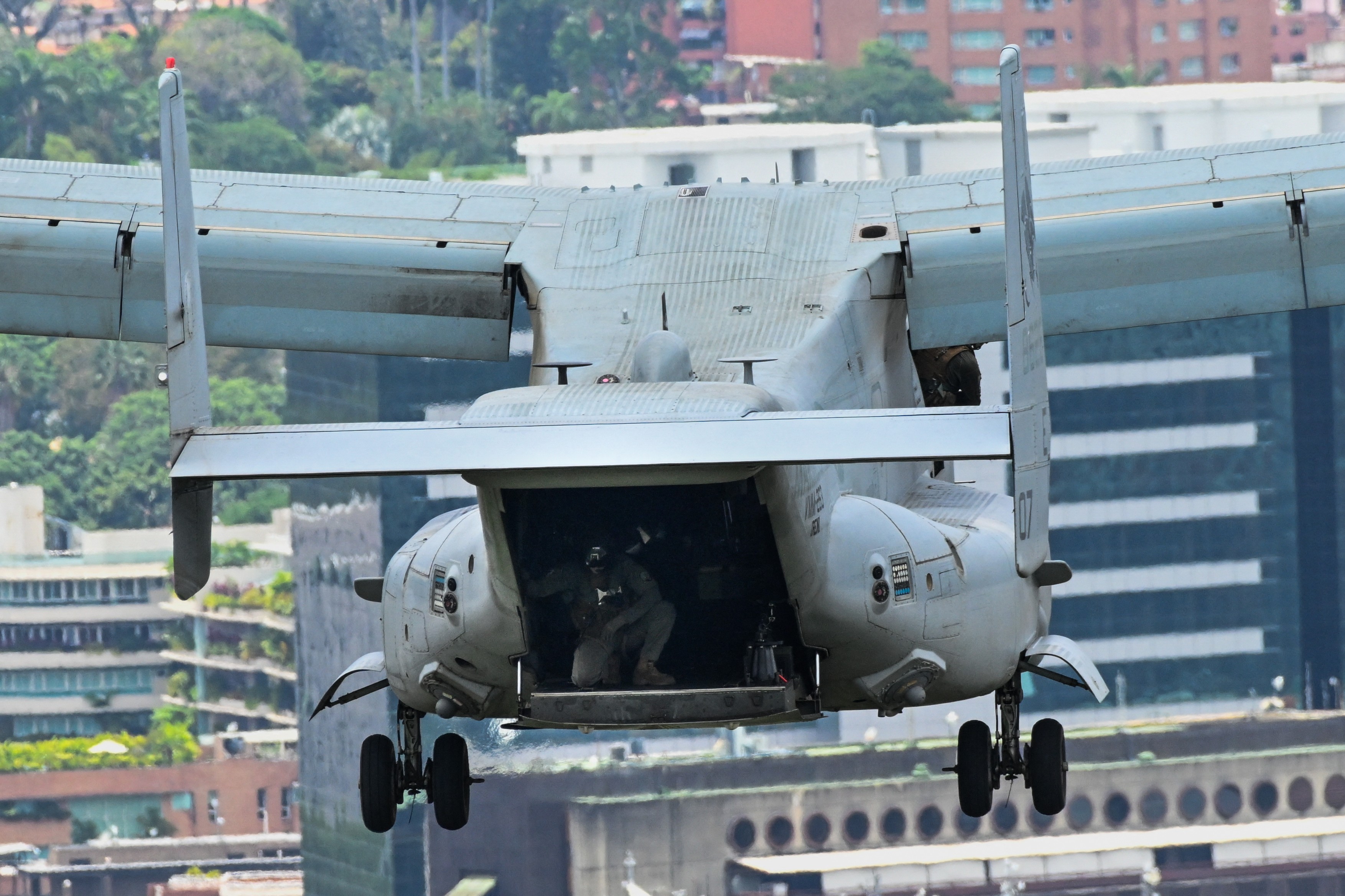
Trump “lost his favorite tool” after the Supreme Court's decision to nullify the tariffs, but he still has a “tariff armada” at his disposal. Experts explain why uncertainty benefits him

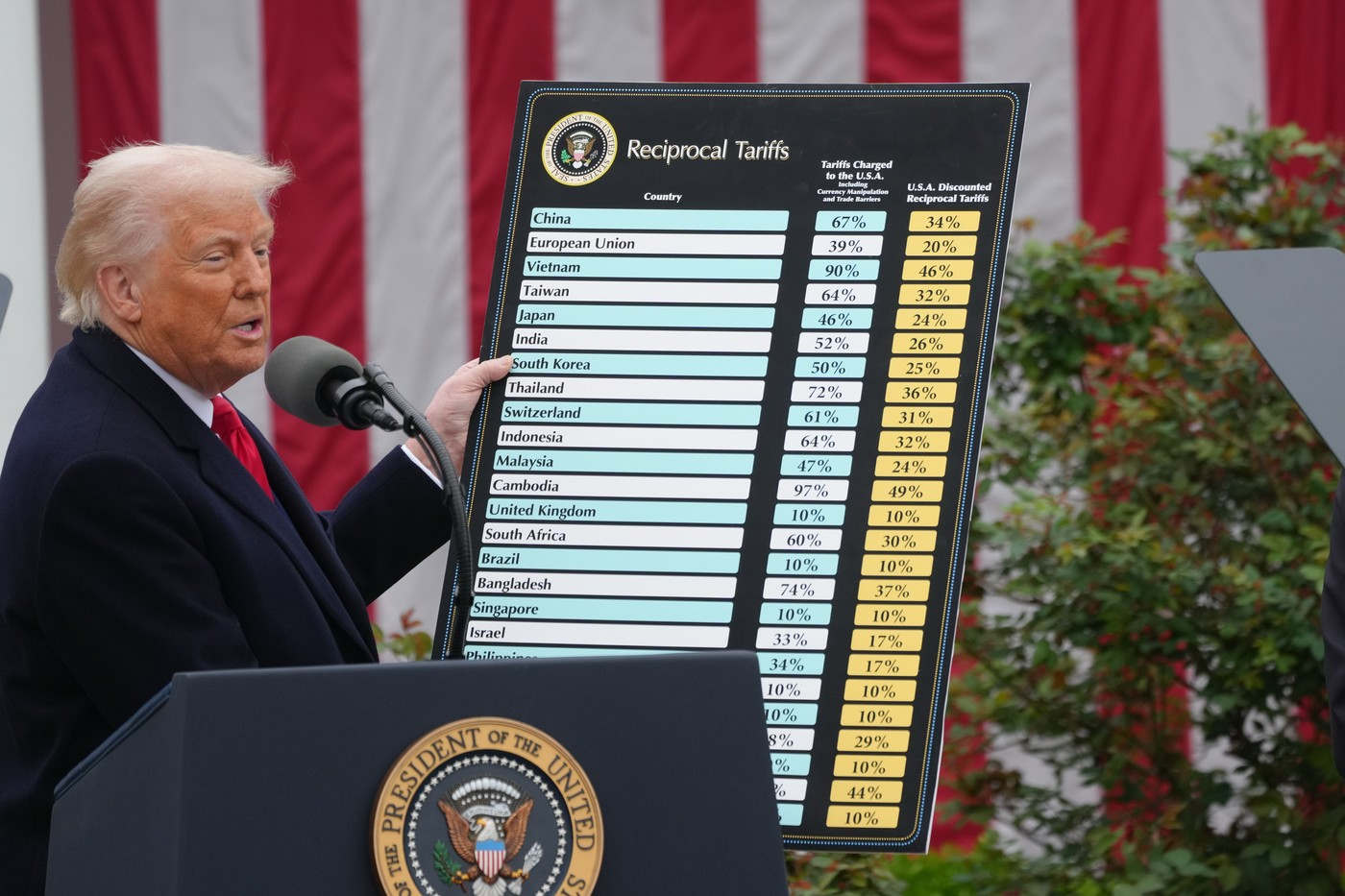
The U.S. Supreme Court's decision to strike down a large portion of tariffs imposed by the Trump administration will not end the uncertainty hanging over businesses and trading partners, even as it has weakened the U.S. president's ability to threaten and impose tariffs immediately, Reuters estimates in an analysis of the implications of the ruling by the nation's highest court.
On Friday, the Supreme Court struck down tariffs imposed by the Trump administration on imports through the International Emergency Economic Powers Act (IEEPA), a 1977 law. The court ruled that congressional powers were violated. The president responded by announcing a new global tariff of 10% through another legislative lever, and less than 24 hours later he increased the tax to 15%, the maximum level allowed by the law in question.
 Trump Changed His Mind: New 10% Global Tariff Raised After Just One Day
“People are worried about what he's going to do”
Trump's quick retreat is emblematic of the US president's willingness and ability to keep his trading partners on their toes, said Wendy Cutler, a former US trade official and vice president of the Asia Society Policy Institute think tank.
“The uncertainty, in his view, just gives him enormous extra leverage beyond the tariffs themselves. Because people are worried about what he's going to do,” she explained.
On the other hand, Wendy Cutler and other trade experts believe that the Supreme Court's decision cuts the president's momentum. The global tariff announced Friday can only be in place for 150 days, and introducing new tariffs through other legislative tools will take longer to implement, leaving Trump without the “anytime, anywhere for any reason” approach he had through the IEEPA.
“He's lost his favorite tool. Especially on matters of foreign policy and things that bother him about other countries that have nothing to do with trade, he's lost his ability to make credible threats,” Cutler said.
“A significant but not crippling blow”
William Reinsch, a former senior US government official who now works at the Center for Strategic and International Studies, agrees that the Supreme Court's 6-3 decision diminishes Trump's ability to threaten other countries.
“It takes away his ability to shake the stick,” he said.
Michael Froman, president of the Council on Foreign Relations, a think-tank specializing in American foreign policy and international affairs, believes that the Court's decision and the Trump administration's response leave many questions unanswered. One of them refers to the possible reimbursement of taxes collected by the US government through the leverage canceled by the court.
 What is happening to the tens of billions of dollars that American companies paid for last year's tariffs imposed by Trump? What is known so far
“Perhaps the most important impact of the Supreme Court's decision is that it should reduce the threat or use of tariffs as the president's preferred form of leverage or punishment outside of trade,” said Froman, who served as former President Barack Obama's chief trade negotiator from 2013 to 2017.
Josh Lipsky, chair of the International Economics Department at the Atlantic Council, cautioned that it is too early to predict the impact of the Supreme Court's decision, given the uncertainty over the new tariffs and the president's willingness to use a range of tools.
“It's a significant blow to his international economic and trade agenda. It's not necessarily a crippling one, given the other authorities (legislative levers, no), but we have to see how these will play out in practice. It feels like the 'tariff army' has come to the rescue despite (the decision on) IEEPA. But how this will play out in terms of power, influence is another question in the coming months,” he explained.
The partners are afraid to renegotiate the agreements, analysts believe
For now, it is unclear what will happen to the nearly 20 framework agreements or firmer trade agreements that the Trump administration has signed with various countries in recent months, which were based on the tariff threats that the US president had launched with the help of IEEPA.
Trump, US Trade Representative Jamieson Greer and Treasury Secretary Scott Bessent insisted on Friday that the deals should remain in place, even if the tariff levels there would be higher than the temporary universal tariff.
Analysts doubt the countries will try to scrap or renegotiate the accords for fear of angering the US president.
Trump may have lost his “trade bazooka,” but the deals won't fall apart, says Miriam Sapiro, a former top U.S. trade official and adjunct professor of public and international affairs at Columbia University. On the other hand, the Supreme Court ruling could give other countries more leverage in negotiations with the Trump administration.
“There will still be interest in making deals because of the uncertainty and the desire to keep the US as a staunch ally and a staunch partner,” she said. “But countries really have a little bit more bargaining power than they might have felt they had before,” she added, according to Reuters.
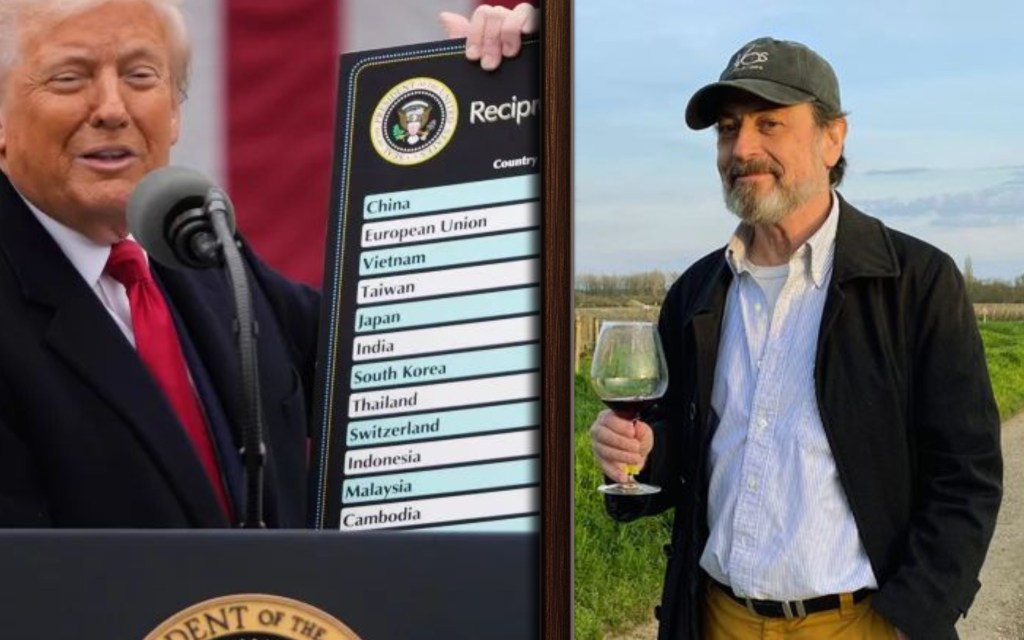 Who is the man who defeated the strongest man in the world. A small wine importer is the mastermind behind the lawsuit that overturned Trump's tariffs