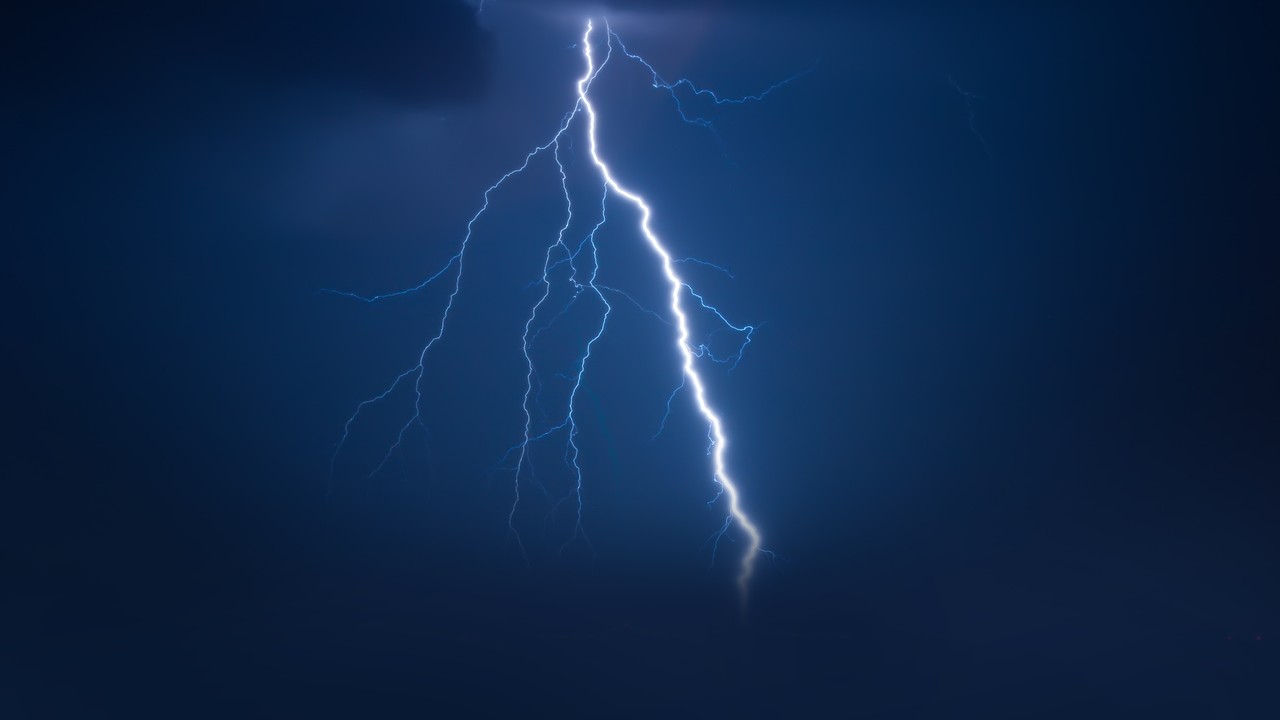
A team of researchers from Astron and the University of Groningen, using the LOFAR radio -lev that in Drenthe, carried out precise analyzes of discharge in the atmosphere. Thanks to three -dimensional lightning models, they determined that in the Netherlands their movement is “upside down”. According to researchers, this phenomenon was difficult to believe at the beginning, but repeated measurements consistently brought the same results.
A surprising discovery of scientists. Lightnings in the Netherlands hit differently
Olaf Scholten from the University of Groningen explained that, according to lightning observations in the Netherlands, they move mainly horizontally, and only in exceptional cases reach the ground. This unusual behavior is due to the arrangement of loads in storm clouds. Usually, negative charges are at the base of the cloud, and positive at its top, which affects the classic direction of discharge. However, in the Netherlands, this system is often the opposite, changing the lightning path.
– We suspect that this does not apply only to storms in the Netherlands, but also in regions with similar meteorological conditions – said spokesman for the Dutch royal meteorological institute (KNMI), quoted by TVN Meteo.
Difficulties in studying Dutch lightning
Brian Hare from Astron explains that lightning research creates many difficulties because of their unpredictability and complicated nature. The largest number of materials on atmospheric displaying comes from countries such as the United States or Japan, where the most powerful storms occur. The Netherlands, where such phenomena are relatively rare, is a unique place of research on this phenomenon.
The discovery in the Netherlands also attracted the attention of scientists from the United States who expressed their desire to personally participate in analyzing “inverted” lightning. Their commitment can help in further explaining the mysterious phenomenon and shed new light on global differences in atmospheric rehabilitation.