The former South Korean president was sentenced to 5 years in prison, but this is only the beginning. Yoon also faces the death penalty


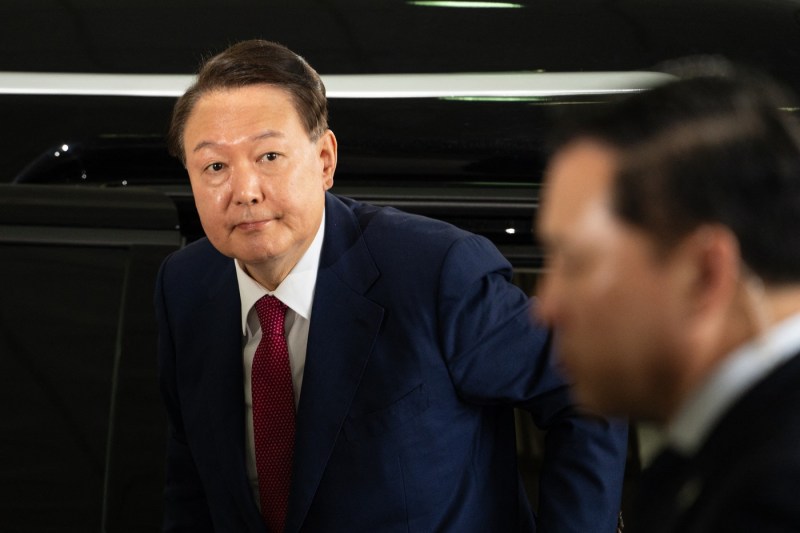
Yoon Suk-yeol Photo: Hwawon Ceci Lee / AFP / Profimedia
A South Korean court has sentenced former President Yoon Suk Yeol to five years in prison for obstructing authorities' attempts to arrest him following his failure to impose martial law in December 2024, Reuters reports.
The Seoul Central District Court found Yoon guilty of mobilizing the presidential security service to prevent authorities from executing an arrest warrant legally issued by a court to investigate him in connection with the declaration of martial law.
In the televised trial, he was also found guilty of charges that included falsifying official documents and failing to comply with the legal procedure required for martial law.
It's just the first sentence, Yoon risk including capital punishment
The ruling is the first related to the criminal charges Yoon faces over his failed martial law declaration.
“The defendant abused his enormous influence as president to prevent the execution of legitimate mandates through officials of the Security Service, who effectively privatized officials … loyal to the Republic of Korea for personal safety and personal gain,” the three-judge panel's lead judge said.
Speaking outside the court immediately after the ruling, one of Yoon's lawyers, Yoo Jung-hwa, said the former president would appeal the ruling. “We regret that the decision was made in a politicized manner,” she said.
He could be sentenced to death in a separate trial on charges of orchestrating an insurrection by declaring martial law without justification.
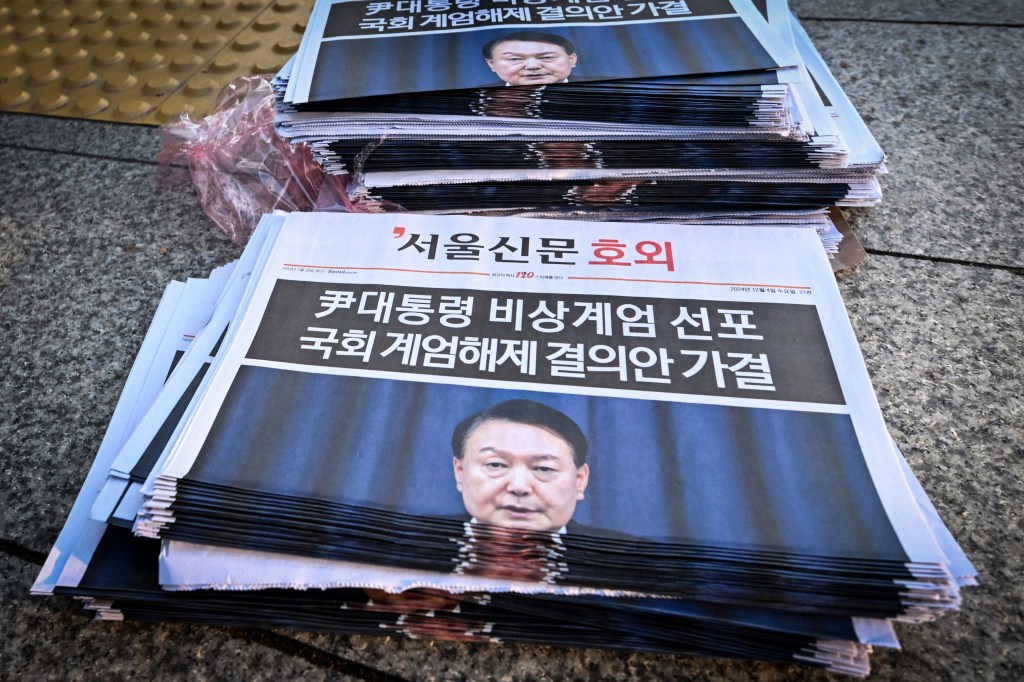 Prosecutors seek death penalty for former South Korean president Yoon Suk Yeol, who tried to impose martial law in the country
Arrested on the second attempt, after the mobilization of 3,000 policemen
Yoon argued that it was within his power as president to declare martial law and that the action was meant to raise the alarm about opposition parties obstructing the government.
Yoon, who also denied the charges in Friday's trial, could have faced up to 10 years in prison on obstruction charges related to when he barricaded himself in his apartment complex last January and ordered security to block access to prosecutors.
He was eventually arrested following a second attempt involving more than 3,000 police officers. Yoon's arrest was the first of its kind for a sitting president in South Korea.
Parliament, along with some members of Yoon's conservative party, voted within hours to overturn his surprise martial law decree and later impeached him, suspending his powers.
He was removed from office last April by the Constitutional Court, which ruled that he had breached the duties of his office.
Although Yoon's attempt to impose martial law lasted only about six hours, it sent shockwaves through South Korea, which is Asia's fourth-largest economy, a key US security ally and long considered one of the world's most resilient democracies.