Friedrich Merz had ambitious plans for his speech at this year's Munich Security Conference. Speechwriters in the chancellor's office have been working on his speech since Christmas. It was intended to describe the new situation in the world and define basic conclusions regarding German and European interests – and how to implement them in the future.
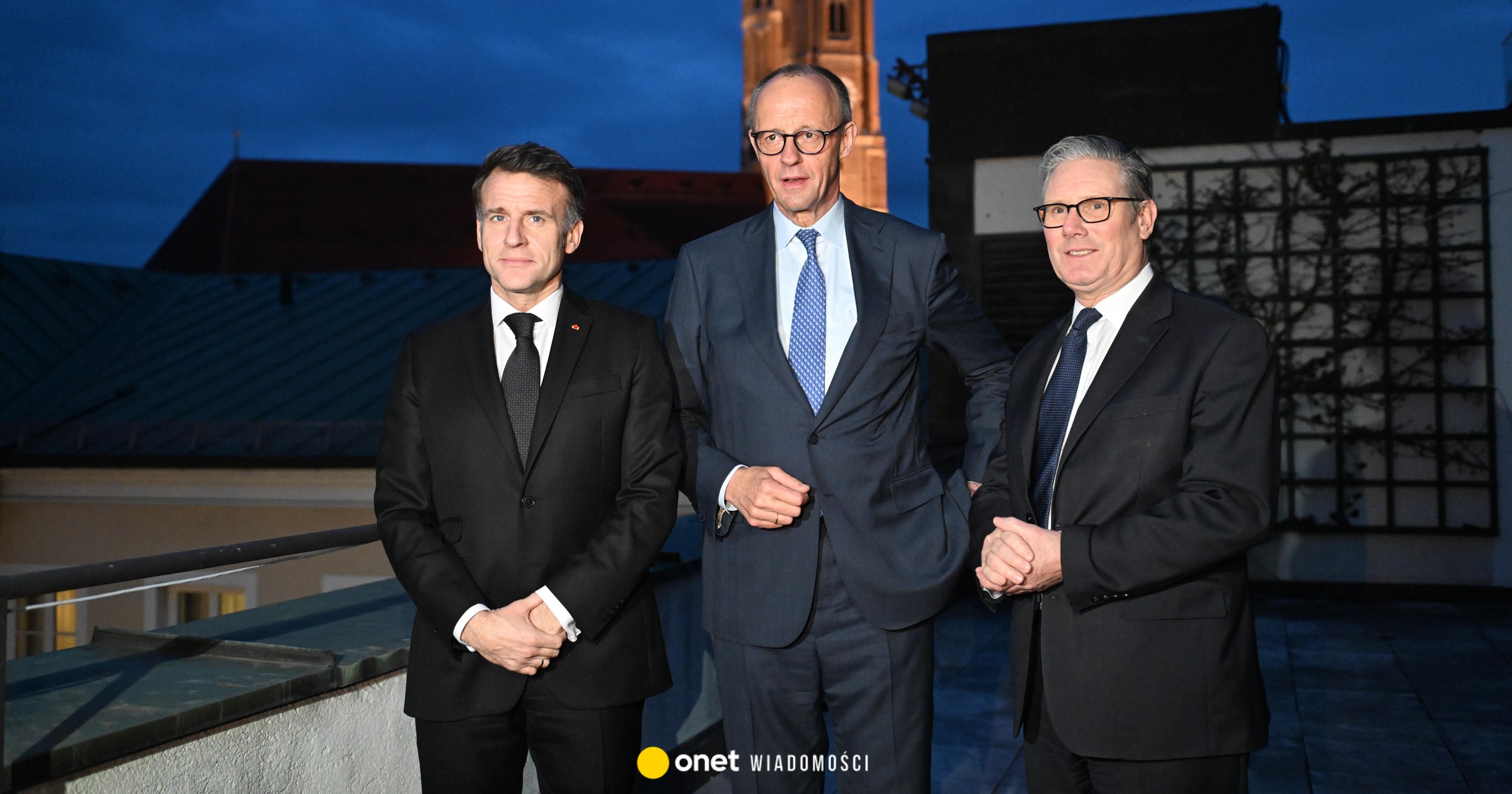
Merz agreed this with his French and British counterparts, Emmanuel Macron and Keir Starmer. Contrary to the custom of his predecessors, he was the first speaker to open the conference, setting the tone for the meeting of over 60 heads of state and government, around 100 ministers of foreign affairs and defense, and leading representatives of over 40 international organizations. This should not have been left to the representative of the United States, as had been the previous year when US Vice President JD Vance, at the Bayerischer Hof, drew attention to the deep gulf between his administration's views and those of Europeans.
Merz began his speech by describing the situation. He referred to the conference motto “Under Destruction”, stating that the international order is not only in the phase of destruction, but no longer exists. The network of connections, rule of law and pacification was replaced by the policy of the great powers, “fast, tough and unpredictable.” According to Merz, the struggle for spheres of influence, dependencies and loyalties has come to the fore: “Raw materials, technologies and supply chains are becoming means of power in a zero-sum game between great powers,” he said.
Russia's war with Ukraine is only the most striking manifestation of this phenomenon; China is also making claims to global domination, which it is trying to push through through systematically built dependencies. The United States has adapted to this situation and is drawing “radical consequences” that further accelerate the trend of dividing the world between great powers. — It is not enough to respond as wisely as possible to the maneuvers and whims of the great powers. That is why in these difficult times we are implementing our own program. “We focus on ourselves,” Merz said.
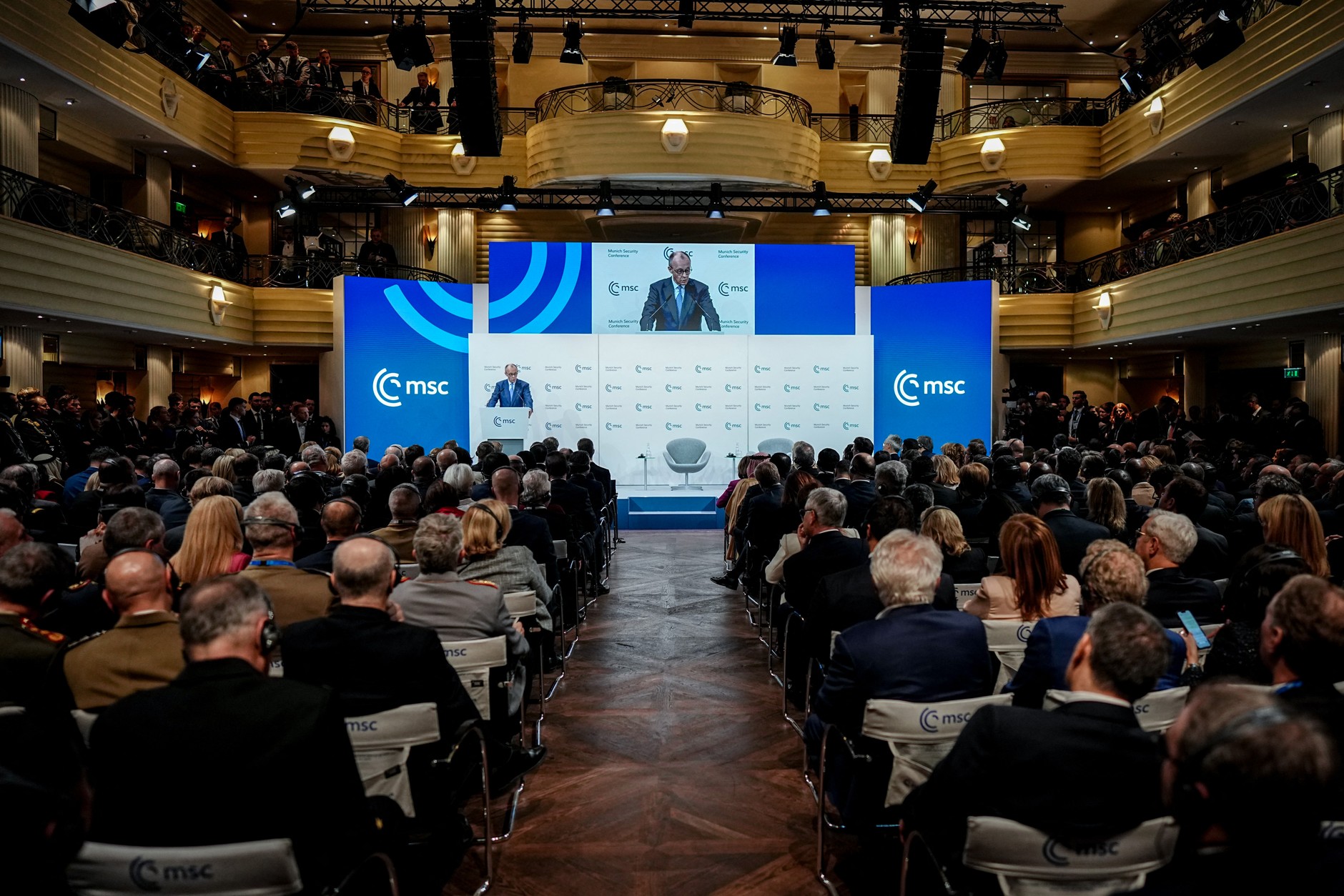
Federal Chancellor Friedrich Merz during his opening speech at the 62nd Munich Security Conference, Germany, February 13, 2026.KAY NIETFELD / DPA / dpa Picture-Alliance via AFP / AFP
However, his government comes to “different conclusions on this issue than the administration in Washington” and different than his predecessors, he admitted. He referred to the approach of German foreign policy in recent decades. “With the best of intentions, she criticized violations of international order around the world,” he said. Germany often admonished, demanded and scolded, but was unconcerned that “there was often a lack of resources to remedy the situation” and “this gap between ambition and opportunity had become too wide.” Merz announced that he now wants to eliminate it.
To this end, Germany and Europe must become stronger militarily, politically, economically and technologically, as well as reduce their dependence (on non-European partners). The top priority is the military strengthening of European NATO members, which have begun to “invest massively in credible deterrence” – in conventional weapons, in particular air defense, long-range weapons and satellite technology.
But Merz said he had also started confidential “preliminary talks on European nuclear deterrence” with the French president. — We, Germans, respect our legal obligations. We believe that this is closely related to our participation in the NATO nuclear program, he said. The aim is to “prevent the creation of zones with different levels of security in Europe.”
Moreover, Europe must focus on what matters most, “preserving and increasing our freedom, security and competitiveness” – not on bureaucratic regulation. Germany wants to be a leader in this field, but not in the sense of great power politics. The Chancellor assured that he has no hegemonic fantasies, Berlin wants to “take other Europeans with it.” Constitution, history and geography tell Germany to “always think of its goals in European terms.” However, he also appeals to partners: “Understand the importance of this moment. You too pave the way for a strong, sovereign Europe.”
The article continues below the video
German Chancellor: no one forced Europeans to become dependent on the USA
With regard to the United States, the Chancellor tried to strike a balance: on the one hand, a European sense of self-worth with a clear demarcation, and on the other hand, taking into account geopolitical realities, such as the still existing dependency in the field of security policy. Merz proposed re-establishing the transatlantic partnership as a solution.
There is a gap between Europe and the United States, and US Vice President Vance was right to say so last year. “The cultural struggle of the MAGA movement in the US is not our fight. Freedom of speech ends for us when that speech is directed against human dignity and the constitution,” Merz added in terms of clarification. Europe is against tariffs and protectionism, but supports free trade. He also sticks to the climate agreements and the World Health Organization.
However, he is not convinced by the “too reflexive cry that Europe should eliminate the United States as a partner.” In addition to building European strength, it is necessary to explain to Americans that in the era of great powers, they too are dependent on Europeans: – Even they reach the limits of their own power when they act alone. Pentagon strategists are aware of this, Merz said. First of all, you need to overcome your own powerlessness. Nobody forced Europeans to become dependent on the USA. Now it is time to “build a strong, self-supporting European pillar in the alliance, in our own interest.”
I’m Ashley Davis as an editor, I’m committed to upholding the highest standards of integrity and accuracy in every piece we publish. My work is driven by curiosity, a passion for truth, and a belief that journalism plays a crucial role in shaping public discourse. I strive to tell stories that not only inform but also inspire action and conversation.