Orban, about entering a technical recession: “It shouldn't scare anyone/ It is possible that we will have a higher than estimated economic growth”

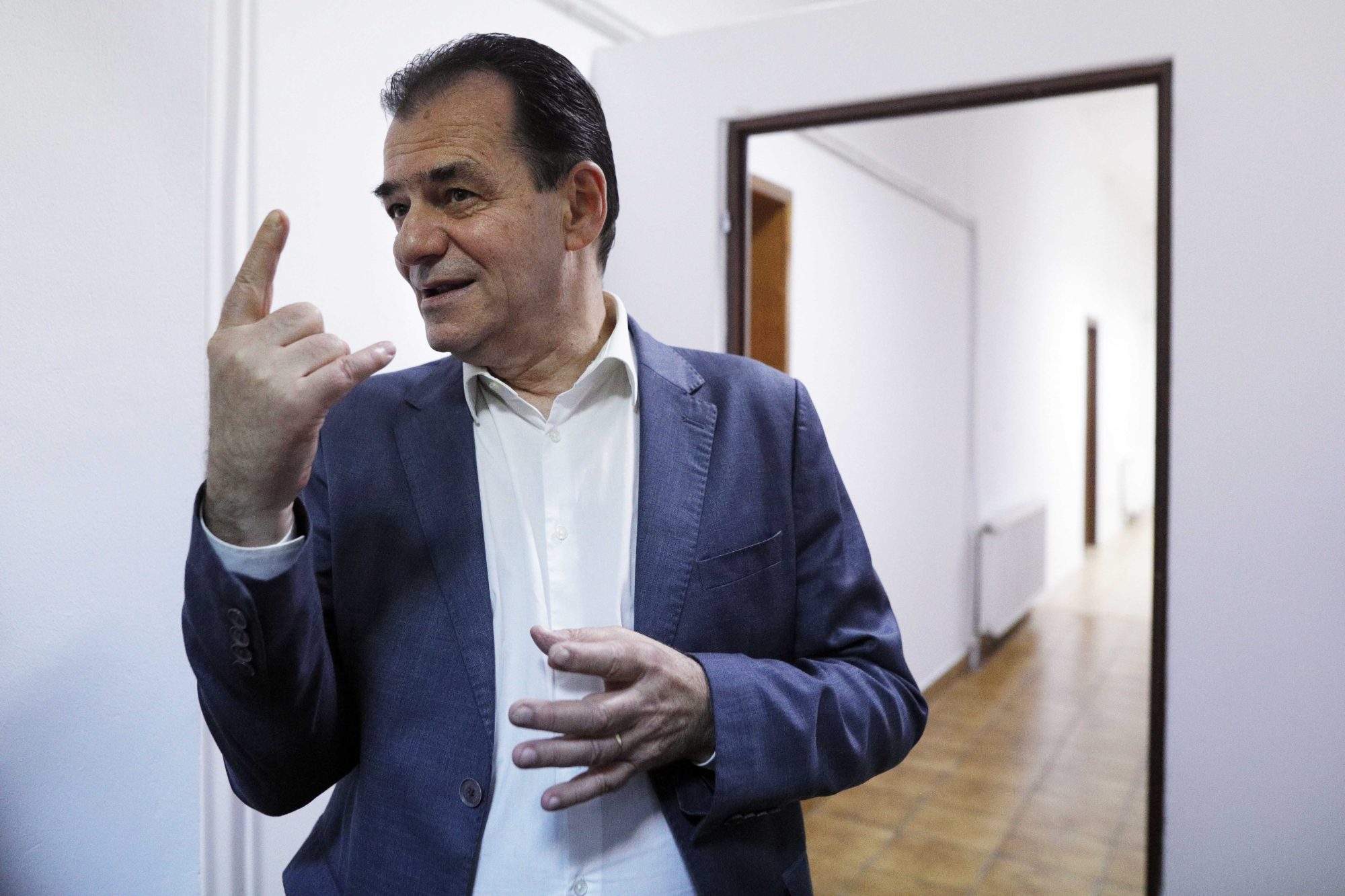
Press conference held by Ludovic Orban, in Bucharest, on November 18, 2025. PHOTO: Inquam Photos / Mălina Norocea
The technical recession announced by the INS should not panic anyone, says the president of the Forţa Dreptei party, former prime minister Ludovic Orban, who believes that this is not the result of an economic crisis, but the consequence of a constant downward trend for the last four years, informs Agerpres. Orban believes that it is possible that Romania will have economic growth above expectations this year.
According to him, if the Government succeeds in adopting administrative restructuring and economic stimulation measures, as well as a realistic budget, it is possible that in 2026 there will be a higher increase than the one estimated today.
“Merits”, shared between Ciucă and Ciolacu
“The technical recession is not only caused by what the Bolojan Government did in the last 7 months. It is the result of 4 years of downward trend of the Romanian economy, caused by the economic recklessness of the Ciucă and Ciolacu governments. In the first year, the Ciucă Government reduced economic growth from 5.7% in 2021 to 4.1% in 2022. The decrease continued in 2023, when economic growth dropped to 2%. Here the 'merits' were divided equally between Ciuca and Ciolacu, who each led the government for 6 months. In 2024, Ciolacu's year, economic growth dropped to 0.9%, although Ciolacu, in the election year, gave way to a budget deficit of 9.3%, and at the end of 2025, economic growth is assessed at 0.6% Friday on Facebook.
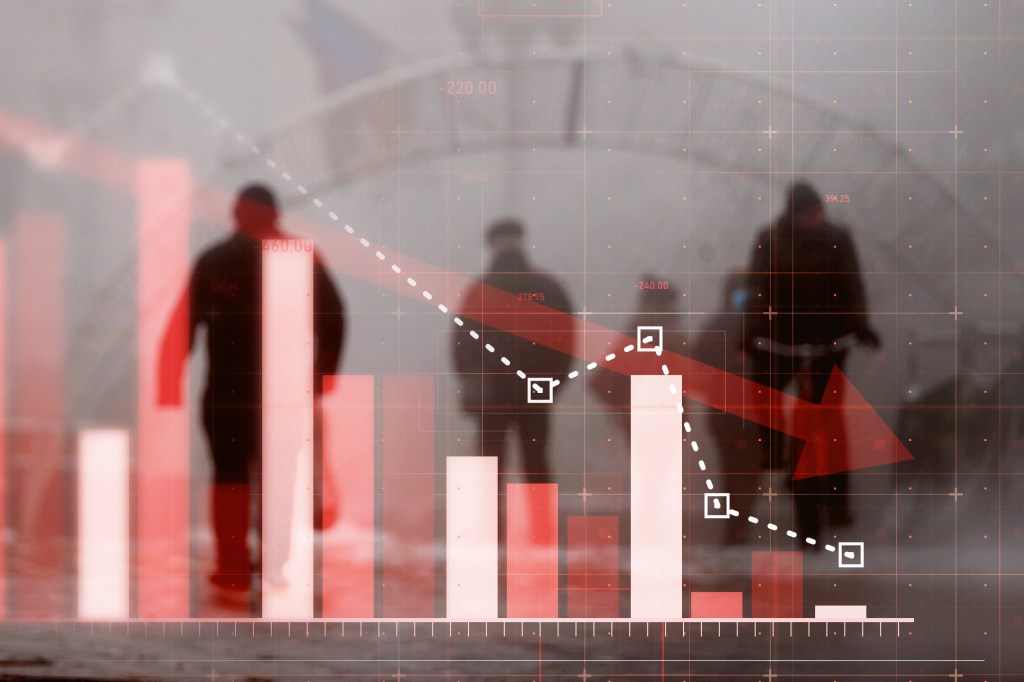 Romania entered a technical recession, Statistics confirms. The GDP is still “moving”, but the private sector is increasingly cautious and applying the brakes
He is of the opinion that the economy evolved negatively because “the governments of Ciucă and Ciolacu applied increases in fees, taxes and contributions in 2022 and 2023 and adopted a series of anti-liberal measures”.
“These measures drove away foreign investors, negatively affected private businesses, caused a constant reduction in industrial production, reduced the rate of absorption of European funds, constantly increased the trade deficit and the current account deficit, caused high inflation (13.8% in 2022, 10.4% in 2023),” says Orban.
Reasons for optimism
According to him, Bolojan took over the leadership of the Government at a time when “Romania had its back against the wall, threatened by an imminent downgrade from the rating agencies, which would have caused a chain reaction that could have led to an economic collapse.”
 Response from the Government to Marcel Ciolacu: “Romania was led to the fence by our wonderful economist from Buzău and his gang”
“I did not agree with all the measures adopted by the Government. But I supported the obvious will of Bolojan to put things right. And the critical moment was passed. A technical recession also existed during the period in which Ciolacu governed, but it was well hidden from the eyes of the general public. The technical recession announced by the INS should not panic anyone. It is not the result of an economic crisis, but the consequence of a constant downward trend over the last 4 years and measures to increase of taxes and a reduction in the population's appetite for consumption, which also has a psychological causality”, says the former prime minister.
In his opinion, Romania has potential for economic growth. “Foreign investments have started to increase. The rate of absorption of European funds has improved significantly and the year 2026 can be a peak of absorption. The trade deficit is on a decreasing trend, we have a stability of the leu and there are clear signs of a reduction in inflation. If the Government succeeds in adopting the measures of administrative restructuring and economic stimulation and adopts a realistic budget, it is possible that in 2026 we will have a higher growth than the one estimated today”, he appreciates Orban.
Romania's economy grew by 0.6% in 2025, but ended the year in technical recession, after the Gross Domestic Product was lower by 1.9% in the fourth quarter compared to the third quarter of 2025, this being the second consecutive quarter of decrease, according to the signal data published on Friday by the INS.