Russia will not attack Estonia or any other NATO country any time soon – believe the authors of the annual report on international security, which is prepared by the Department of Foreign Intelligence of Estonia.
The department's director, Kaupo Rosin, noted in the foreword to the report that the department will probably come to a similar conclusion next year, 2027, because Europe has taken actions that force the Kremlin to carefully consider what risks it can take.
At the same time, Rosin believes that “Russia remains a dangerous country, despite its incompetence, and to prevent the expansion of the 'Russian world' [chodzi o tzw. ruski mir, czyli doktrynę, która zakłada panowanie Rosji nad światem wschodniosłowiańskim i rozszerzanie jej wpływów na inne kraje]vigilance is necessary.
The head of Estonian intelligence called on NATO countries to increase defense investments as Russia strengthens the potential of its armed forces. “The balance of power in Russia's calculations should always tilt in our favor,” Rosin noted. He also added that the Russian economy is under pressure from sanctions, but there are still gaps that Western countries need to eliminate.
The director of the Estonian services expressed a similar opinion in December last year, saying that “At this point, it is still clear that Russia respects NATO and tries to avoid any open conflict.”
Main conclusions of the Estonian foreign intelligence report
- The Kremlin only pretends to be interested in peaceful talks with Ukraine, hoping to restore bilateral relations with the US and officially confirm Kiev's defeat. Despite the illusion of a thaw, Russia still considers the US to be its main adversary.
- In its pursuit of superpower status, Russia is trying to undermine the current international order by flirting with the so-called “global majority” and putting pressure on neighboring countries.
- Russia and China are seeking to change the global balance of power to their advantage. Although they do not trust each other, the authorities of both countries believe that cooperation will bring them more benefits than losses.
- Russia's military-industrial complex is struggling due to sanctions, but continues to function by circumventing them for the supply of essential goods.
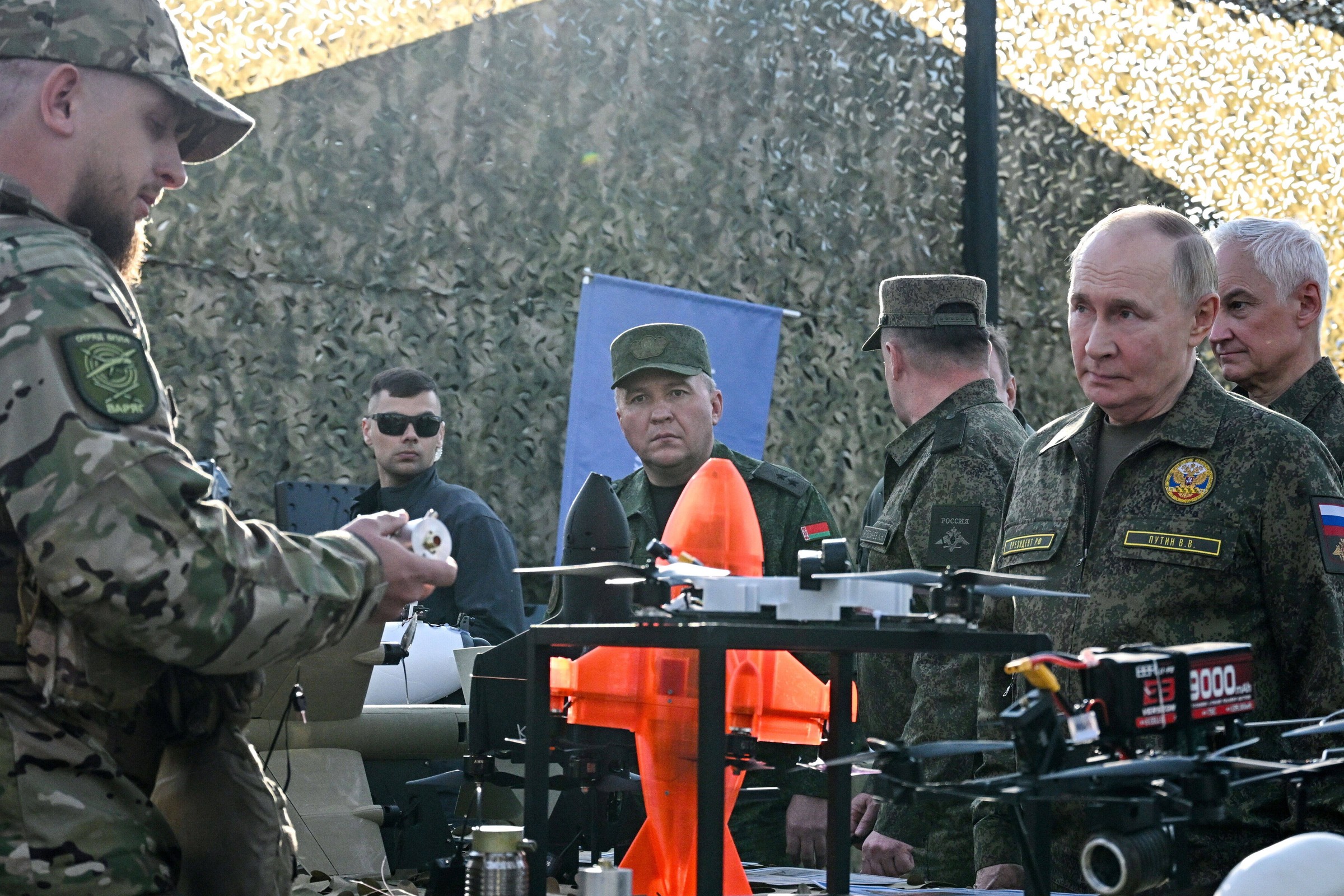
- Russia produces large numbers of drones of all types and for all types of armed forces. In any future conflict with Russia, its adversaries must be prepared for the Russian Federation's armed forces to make extensive use of drones — on land, in the air and at sea.
- As of 2021, the Russian military-industrial complex has increased the production of artillery ammunition by more than 17 times. This proves that Russia is most likely preparing for a new conflict, even despite the ongoing war with Ukraine.
- Russia faces increasingly serious economic problems and neglects almost all non-military industries as the war drags on. In 2026, the risk of economic and social instability will increase.
- The Russian economy has entered a phase of decline. The defense sector is growing at the expense of reducing the civilian economy. However, a complete collapse of the Russian economy is still unlikely.
Find out more: