Winter has devastated the pellet market in Poland. Prices are soaring, there is a shortage of raw materials

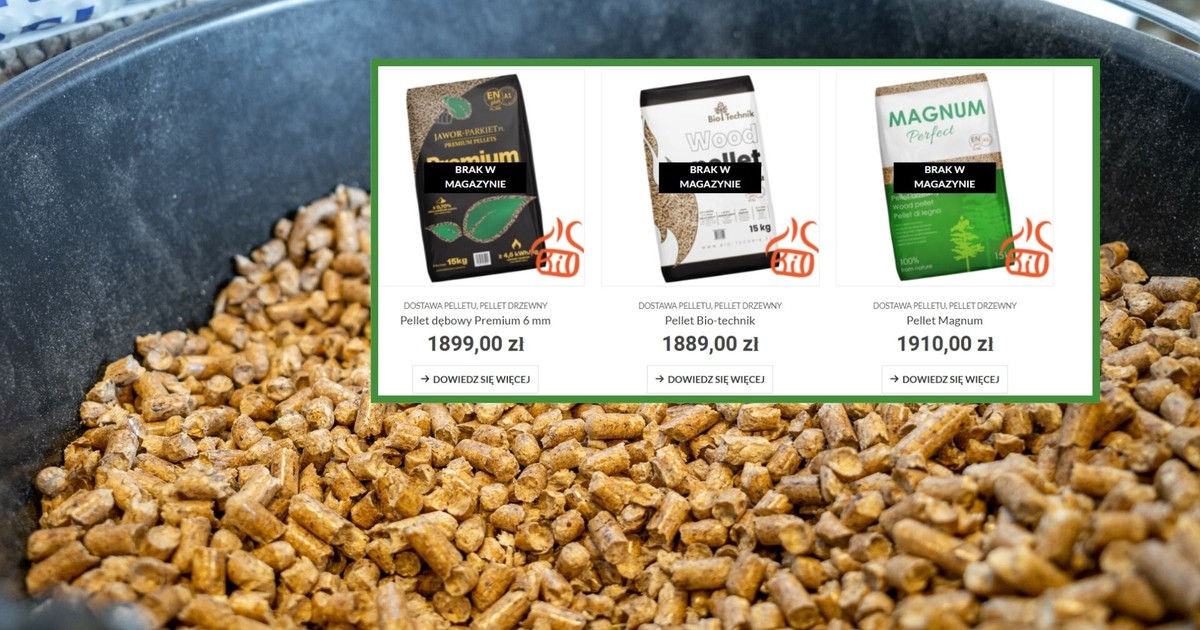
In recent days, there has been a shortage of pellets for heating houses throughout Poland. Customers bounce around store doors; stocks began to run out both in large retail chains, such as Castorama or Leroy Merlin, and in smaller outlets. The media also reports about rising prices of raw materials. Jas we reported yesterday, A ton of pellets today can cost up to PLN 4,000. PLN, while recently it was PLN 1,700-1,800, and in December last year, according to data from the website cenapelletu.pl, PLN 1,617 (in the case of class A pellets).
The rest of the article is below the video:
Read also: There is a shortage of pellets throughout Poland. Prices are going up. There is a reaction from the Minister of Energy
Not enough wood?
Agnieszka Kędziora-Urbanowicz, vice-president of the Polish Pellet Council and auditor of quality assurance systems for this fuel, talks to the Business Insider Polska editorial team about the causes of the crisis. “It's the result of several phenomena coming together at the same time,” he explains. According to our interlocutor, the main thing is the lack of wood on the market.

Pellet prices can be even higher today
|
Business Insider Polska / Business Insider Polska
— Pellets in Poland are produced mainly from sawdust and wood chips, i.e. by-products of sawing wood in sawmills. Meanwhile, in recent years we have been observing a decline in roundwood harvesting, says Kędziora-Urbanowicz, pointing to the decisions of the Ministry of Climate and Environment in the area of forest management, i.e. the so-called moratorium on forest cutting in selected locations. He adds that less wood translates directly into less available sawdust.
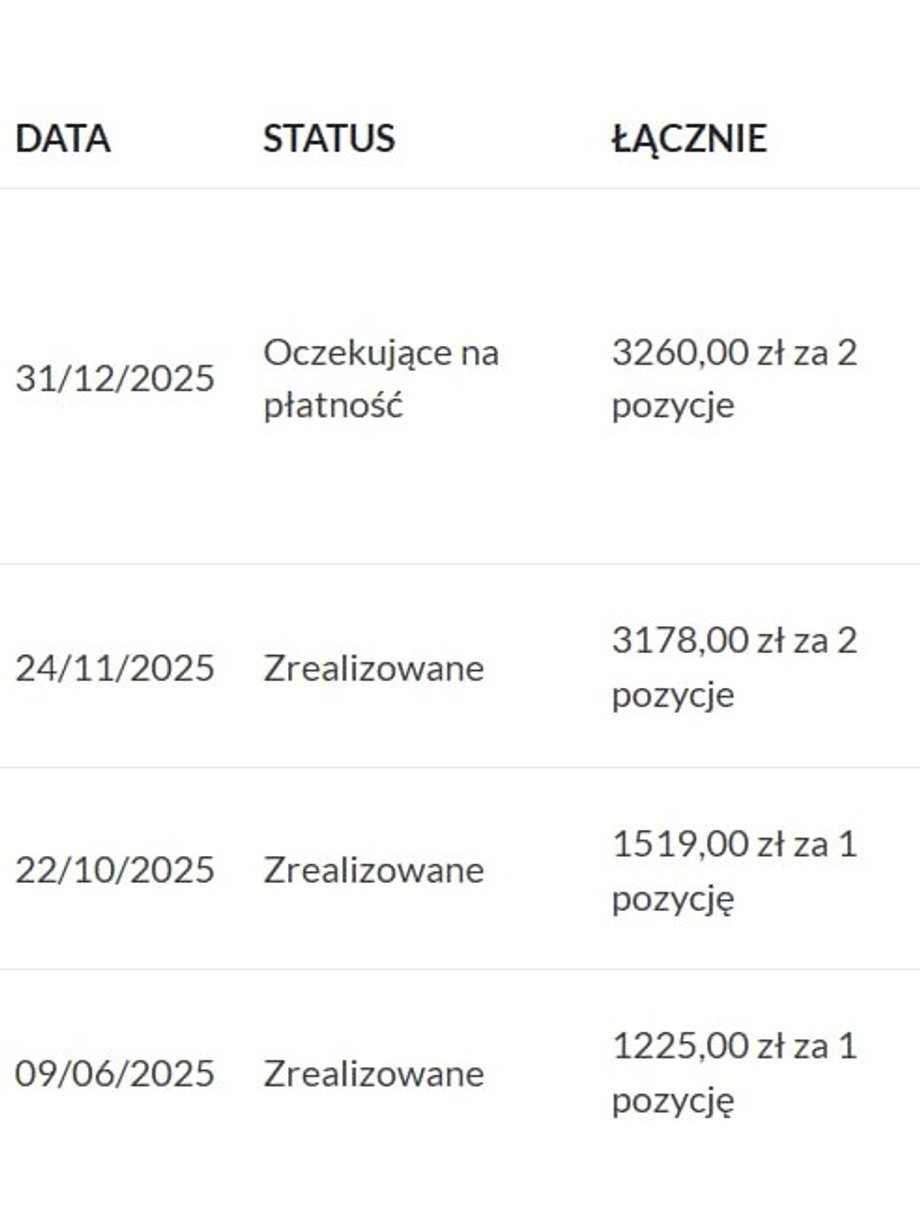
Examples of pellet prices in previous months
|
Business Insider Polska / Business Insider Polska
Regardless of the limited supply, sawmills and pellet production plants operate less efficiently in winter. At subzero temperatures, wood freezes noticeably, logistical problems arise, and production installations become more susceptible to failure.
— At the same time, pellet production in winter is much more expensive, mainly due to the high energy consumption needed to dry the biomass – he adds.
“There are no simple and quick solutions”
Storage stocks of pellets are small, and apart from self-heating households, heating and energy plants also need them. – In such conditions, the availability of pellets in the retail channel is quickly exhausted – says Agnieszka Kędziora-Urbanowicz.
Read also: Will we pay PLN 5 billion a year for wood imports? Biomass poses challenges
Can anything be done about it? — There are no simple and quick solutions in the short term. Production plants are currently operating at maximum possible capacity – as much as the availability of raw materials allows. It is not possible to produce more raw material overnight than the standard efficiency of the installation – replies a representative of the pellet industry.
Since similar problems now occur practically throughout Europe, we cannot count on imports. Mild winters in previous seasons caused producers to limit their production capacity, and today it is impossible to increase it quickly, says Kędziora-Urbanowicz.
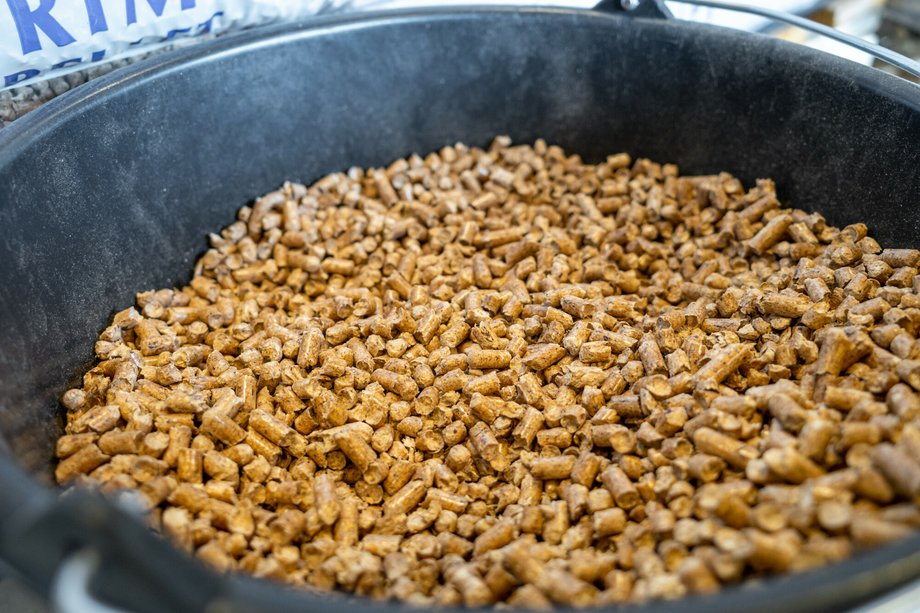
Today, wood pellets are in short supply not only in Poland
|
ARKADIUSZ ZIOLEK/East News / East News
Shopping is not worth postponing
According to the vice-president of the Polish Pellet Council, the industry needs both stable access to wood and support for investments in production capacity, as well as the modernization of plants and the development of cogeneration; simultaneous production of heat and electricity. — Without parallel support for supply, the pellet market cannot be effectively stabilized – he states.
Could households heating with pellets have better prepared for the current situation? The conclusions are clear – shopping must be planned in advance.
— The experience of recent years clearly shows that postponing the purchase of pellets until the middle of winter almost always results in problems with availability and high prices – Agnieszka Kędziora-Urbanowicz reminds us.
Read also: Poles pay more and more for pellets. How does it compare to a heat pump?
Boilers have overtaken heat pumps
The expert warns against using fuels that are not intended for pellet boilers. Burning grain or other raw materials is harmful to these devices and exposes them to a greater risk of corrosion or failure of the burner or heat exchanger. — This may lead to loss of warranty, costly repairs and reduced operational safety, we hear.
Due to the crisis, the Polish Pellet Council also issued an official position which, as we hear from Agnieszka Kędziora-Urbanowicz, “was sent to all ministries.” The organization emphasizes that it does not have the tools to interfere with sellers' pricing policy and is unable to influence their business decisions. Therefore, there is no way to respond directly to the current price increases. The current crisis, in the opinion of the Polish Pellet Council, results from “systemic neglect”, including the lack of public support for the pellet industry.
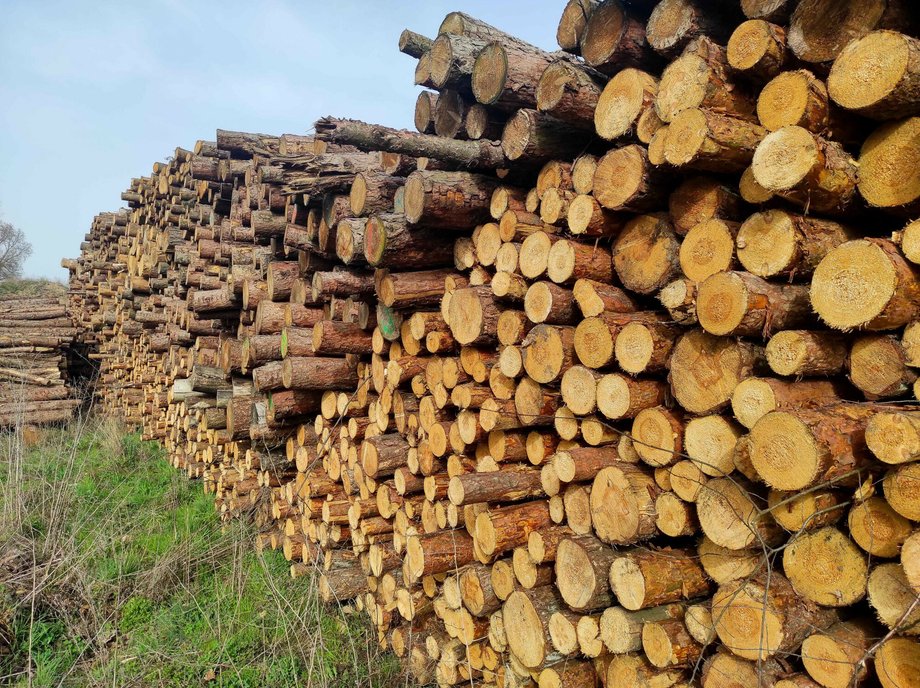
According to the Polish Pellet Council, there is currently too little round wood on the market
|
Piotr Kamionka / REPORTER / East News
The pellet itself was called in the position a “strategic fuel”, the stable availability of which is a necessary condition for the success of the transformation of individual heating. The industry states that in the absence of raw materials, public trust decreases not only in the technology itself, but also in the public institutions that promoted it.
Let us remind you – biomass burning devices have overtaken heat pumps and have become the most popular heating technology co-financed under the Clean Air program. In June 2025 biomass boilers and lump wood accounted for 76 percent investments supported by the program.