Lady Banks, legendary rose which is the new sensation of spring gardens. Other spectacular climbing plants

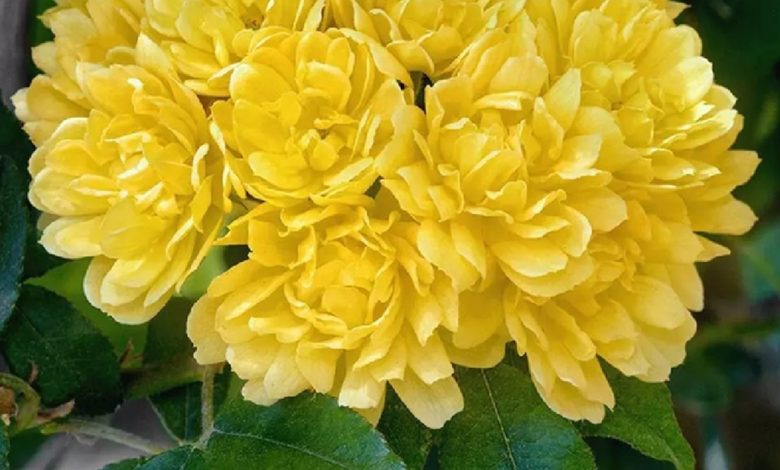
For those who want to transform their garden or terrace into a corner of spring heaven, choosing the perfect plant is essential. Although Bougainvillea remains a popular option, there is an alternative that blooms earlier, grows faster and will decorate your exterior spaces with much more elegance.
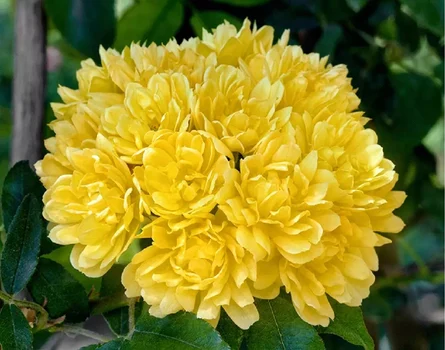
Image 1/11:
The Banksiae rose-one of the most spectacular varieties of climbing roses in the world Monaco Nature Encyclopedia com
The Banksiae rose is the climbing plant that will fill your perfume and color garden this spring and turn it into a spectacular green corner. With delicate, white or yellow flowers, add a romantic and refined air to the pergolas, walls or fences. It grows rapidly and blooms abundantly, being ideal to bring a splash of freshness and style to any terrace or gardens, notes the publication El Español.
A rose with an old story of over two centuries, brought from China to Europe as a tribute to a British lady, beautifies for years and public and private gardens in Romania.
Turn your outer spaces into an oasis of greenery and beauty with the help of this spectacular plant, which promises to bring you a vibrant and durable, spring decor!
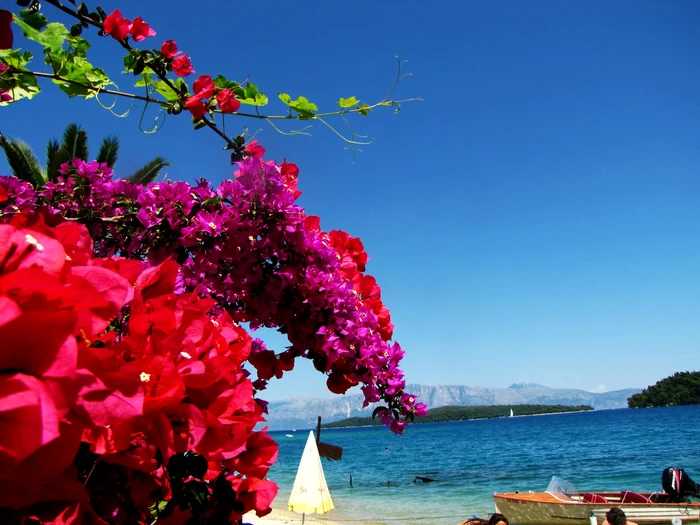
Bougainvillea or paper flower – one of the most popular ornamental plants photo truth
Lady Banks, the legendary rose adapted to the Romanian gardens
Delicate, but incredibly resistant, the rose Rosa Banksiae – known as Lady Banks – is considered one of the most spectacular varieties of climbing roses in the world. Appreciated for both the impressive dimensions he can reach, as well as for his small, double or simple flowers, this rose blooms abundantly in the early spring, in scented bouquets, with a special smell, which adds a romantic air to any space.
It is also noted by a rare detail found in roses: the absence of the spikes, which makes it easy to maintain and ideal for frequently circulated areas in the garden. In addition, its green, glossy leaves create a spectacular contrast with the delicate shades of flowers, amplifying its visual charm.
Originally from Asia and introduced in Europe in the 19th century by naturalist Sir Joseph Banks, the flower bears the name of his wife and has quickly become a symbol of elegance in the big European gardens. In recent years, this legendary species has also made room in the Romanian landscape, being cultivated to decorate private spaces, as well as urban landscaping.
Adaptation of the rose Banksiae In Romania it was possible especially in the regions with a gentle climate. It is a vigorous and resistant, drought tolerant, pest tolerant (such as moths) and even for short periods of negligence. It prefers fertile soils, well drained and sunny locations, needing at least six hours of direct sunlight for a generous flowering. With a rapid and extended growth, it needs large space and a robust support structure.
In Romania, the Banksiae rose can be purchased from specialized stores in ornamental plants, online nurseries or gardening centers in big cities. It is sometimes available under the name of Rosa Banksiae Alba (with white flowers) or Rosa Banksiae Lutea (with yellow flowers).
It is the ideal choice for those who want a romantic and elegant corner in the garden, which will become the paradise of spring, without great maintenance efforts.
How to take care of the Banksiae rose
Although the Banksiae rose is a resistant plant, it is important to know how to properly take care of it to ensure an abundant and healthy flowering. Here are some ideas for a welcoming garden and essential tips for caring for this remarkable plant:
Location and exposure to the sun: Choosing the ideal place
Plant the Banksiae rose in a sunny place, but if you live in an area with high temperatures, it is advisable to place it in an area with a partial shade. In addition, protect it from the wind, choosing a location that is not exposed directly to strong wind gusts. It needs space to grow in height, given that it can reach 6-8 meters high, even more. Therefore, it is essential to be planted in a place where the roots can develop properly.
Soil and drainage: Essential conditions for rose health
The Banksiae rose prefers a well -drained soil to avoid the accumulation of water around the roots, which can lead to health problems, such as root rot or fungi development. Make sure the soil is easy and allows efficient water to be drained, avoiding areas with stagnant water. If your soil is too compact, you can improve drainage by adding sand or organic matter. A well -ventilated soil will encourage the healthy development of the roots and contribute to a vigorous and prolific plant.
Irrigation: Maintaining an optimal water balance
Although the Banksiae rose is drought resistant, it requires moderate irrigation to stay healthy. Water it only when the substrate is dry on the surface, avoiding to give it excess water.
Over-study can lead to the health problems of the roots and can promote the development of fungal diseases. Make sure the water is rapidly leaking from the soil to prevent the accumulation of stagnant water, which can affect the roots.
An appropriate drainage system, combined with controlled irrigation, will help the rose grow healthy and bloom abundantly.
Temperature: Protecting the plant under extreme conditions
The Banksiae rose is quite resistant to low temperatures, but for healthy development and abundant flowering, it is ideal to be maintained in a temperature range between 20-25 ° C. Although it can tolerate cold, prolonged frost exposure can adversely affect the plant, so it is important to protect it in winter, especially in harsh winters. You can use protective materials, such as winter blankets or plastic coatings, to prevent root frost and maintain the temperature around the plant.
Fertilization: Specific care on seasons
To support the healthy development and rapid flowering of the Banksiae rose, apply mineral fertilizer in the spring and summer months. It will provide the nutrients needed for vigorous growth and abundant flowering.
In contrast, during the cold period of the year, it is advisable to use organic fertilizer, which will feed the soil in a balanced way and will help the plant to withstand the low temperatures. Organic fertilization also contributes to maintaining a healthy soil and to strengthen the roots for winter.
Therefore, with proper care, the Banksiae rose can become a magnificent plant in your garden or terrace, giving you an explosion of delicate and fragrant flowers.
Other climbing plants for decorating the house, terrace or garden
As the beautiful weather brings the garden to the center of attention, an ideal way to dress the walls of the house, the was and pergolas are with climbing plants. If you want alternatives to Bougainvillea and Banksiae rose, here are some suggestions:
- Wisteria (Wisteria Sinensis) or glycine
Perfect to create a cascade of flowers in shades of white or bat, wisteria or glycine is a plant with rapid growth and spectacular flowering, ideal for sunny arches and pergolas. However, it requires space, a robust structure and regular cutting to control its development.
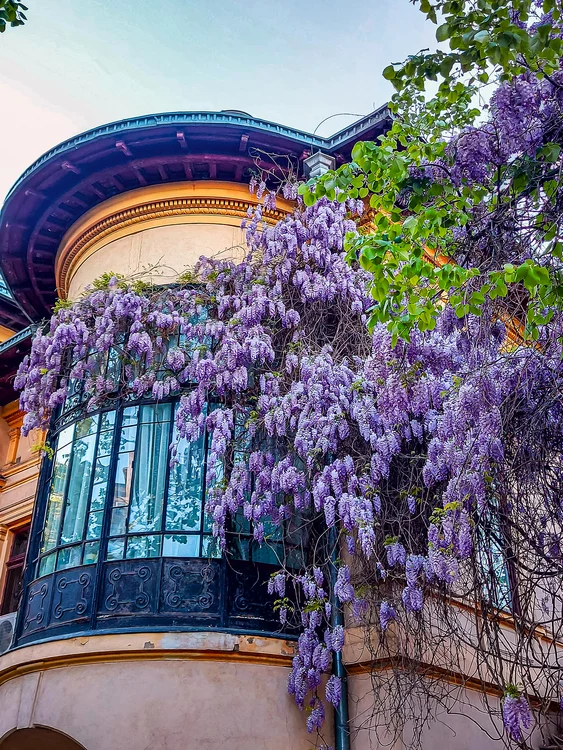
Glycine is another climbing plant highly appreciated by Flower Flowers Truth
- Bignonia (Campsis radicans) or Turkish or Tampețica
With flower -shaped flowers, in red and orange tones, Bignonia adds a tropical note to your garden. It is a plant with fast growth, ideal for fences and walls, and resists well to heat and drought.
- Caprifoi (Lonicera Japanica)
A climbing plant with fast growth and long flowers, the honeysuckle is resistant and emits a pleasant aroma. It adapts very well to poor soils and tolerates both the sun and the semi -shade.
- Dipladenia (Mandevilla spp.)
Suitable for gardens and terraces in Mediterranean style, Dipladenia is an elegant plant, with flowers in shades of pink, white or red. It is heat -resistant and can be grown in both pots and soil. Although it does not grow as fast as others, its flowering continues in the hot months of the year makes it a great option.
- Star jasmine (trachelospermum jasminoides) or star
Also known as false jasmine, this plant is an excellent alternative for Mediterranean and temperate climates, having intense white flowers that start spring and last throughout the summer. His eternal green foliage completes the decorative appearance.
- Pasiflora (Passiflora Caerulea) or Passion Flower
With flowers in shades of purple and white, Pasiflora is easy to maintain and can be cultivated in both large and ground pots. In some varieties, the fruits are edible, adding an extra versatility to your garden.
These climbing plants are just a few of the options that can add a special charm to your garden or terrace.