Viktor Orban rules out the need for austerity measures after the April elections. “It's a blatant lie”

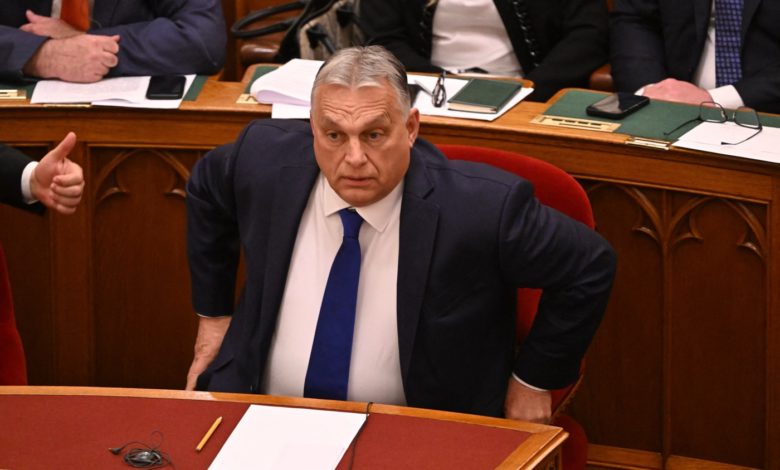
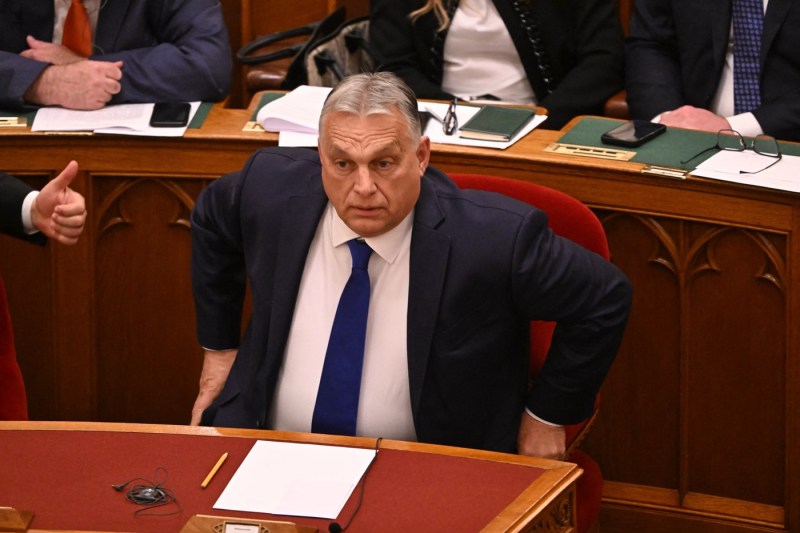
Photo: Attila KISBENEDEK / AFP / Profimedia
Hungarian Prime Minister Viktor Orbán denied on Saturday that spending cuts would be needed to reduce the budget deficit if Fidesz wins the April elections, saying that the party's flagship social and economic policies will be maintained, reports Reuters, quoted by News.ro.
At the helm of government since 2010, Orban and Fidesz face a centre-right opponent who leads in most polls amid the weakest economic cycle in 16 years.
Hungary's economy has almost completely stagnated since the Russian invasion of Ukraine, which fueled inflation in Central Europe. Economists warn that, no matter who wins the election on April 12, the fiscal space is limited and adjustments would be necessary after the massive spending before the elections.
“It is a blatant lie. The state of the Hungarian economy does not require any kind of austerity,” Orban told a rally, dismissing analysts' assessments.
Programs to support the economy
At the end of last year, the government raised the deficit target to 5% for 2025 and 2026, an election year, to allow for increased spending, which contributed to the downgrading of Hungary's debt outlook to “negative” by the Fitch Ratings agency.
Orban said the deficit, which has frequently exceeded government forecasts, will have to be reduced “calmly, slowly and gradually” as economic conditions improve. “We don't need austerity and we don't need to take anything from the people,” the prime minister said.
He promised to maintain the 3% subsidized interest rate on mortgages and continue the tax relief plan for mothers of two until the end of the next government cycle.
In an attempt to counter the rise of the conservative Tisza party, the government launched a 100 billion forint ($310 million) program to support the restaurant industry and a 50 billion forint ($160 million) measure to reduce heating bills.
The data published on Friday show that the Hungarian economy remains close to stagnation for the third consecutive year, below the performances of Poland and the Czech Republic. Some analysts have revised down their growth estimates for the Hungarian economy for 2026 after these weak results.