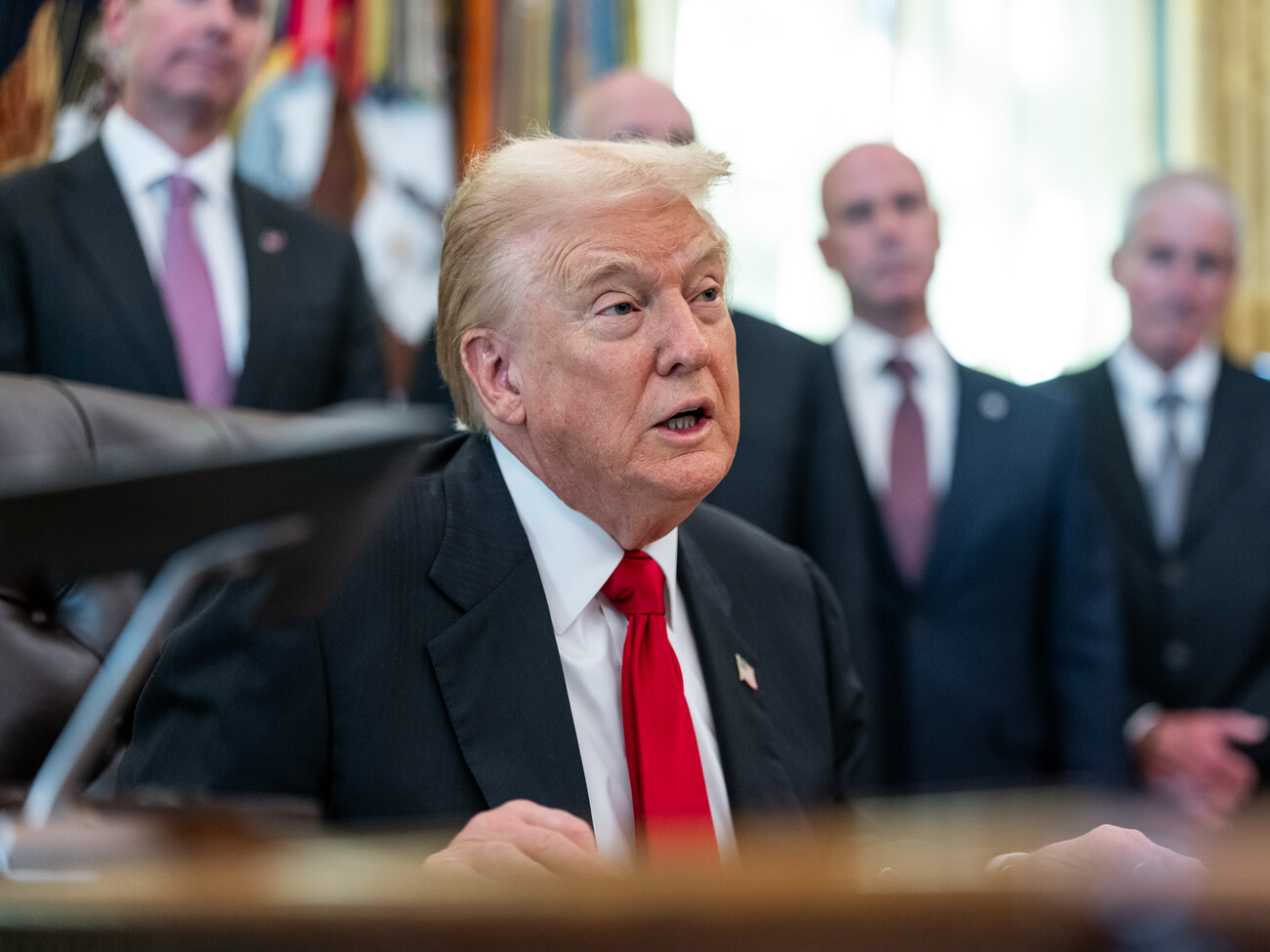
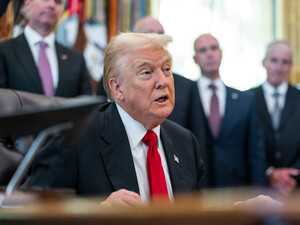
The decree reportedly establishes a new tariff system allowing the United States to impose additional tariffs on imports from any country that directly or indirectly supplies oil to Cuba.
At the same time, Trump may change the order if Cuba or the affected countries “bring their policies into line with the national security and foreign policy objectives of the United States.”
As one of the justifications for such a step, the decree cites cooperation between Cuba and the aggressor country of the Russian Federation.
“Cuba is home to Russia’s largest foreign electronic intelligence center, which is engaged in the theft of sensitive national security information from the United States,” the document says.
In addition, Cuba provides refuge to terrorist groups such as Hezbollah and Hamas, the decree notes.
Context
After the capture of Venezuelan President Nicolas Maduro, Trump wrote that Cuba had lived on “large amounts of oil and money from Venezuela for many years” but that now Venezuela “has the United States.” The head of the White House “strongly recommended” Cuba “to make a deal before it is too late.” In response, Cuban President Miguel Diaz-Canel said that the United States would not dictate to Cuba what it should do.
The media wrote that the United States was seeking to change the communist regime in Cuba by the end of the year. In particular, Washington intends to weaken it by cutting off the supply of oil that provides Cuba with electricity. Economists estimate that Cuba could be left without oil for several weeks, leading to a complete shutdown of the economy.